THE ADVENTURE COLLECTIVE® · Independent discovery and booking for outdoor travel

Drive one of Croatia’s most scenic coastal routes on a private full-day tour from Dubrovnik. Visit Ston’s 7 km walls, taste Pelješac oysters, and explore Split’s Diocletian’s Palace with time for photos at the Pelješac Bridge.
Drive one of Croatia’s most scenic coastal routes on a private full-day tour from Dubrovnik. Visit Ston’s 7 km walls, taste Pelješac oysters, and explore Split’s Diocletian’s Palace with time for photos at the Pelješac Bridge.
You pull away from Dubrovnik’s Old Town before sunrise, the Adriatic flashing at the side of the road as the coast opens up. The van hums along one of Croatia’s most picturesque drives; limestone cliffs and olive-strewn hills pass like pages in a travel journal while the guide points out the Pelješac peninsula and the ribbon of sea that separates it from the mainland.
Verified experiences and guided adventures in the surrounding area.
Operated by Adriatic Explore d.o.o. · Dubrovnik, Dubrovnik-Neretva County
You pull away from Dubrovnik’s Old Town before sunrise, the Adriatic flashing at the side of the road as the coast opens up. The van hums along one of Croatia’s most picturesque drives; limestone cliffs and olive-strewn hills pass like pages in a travel journal while the guide points out the Pelješac peninsula and the ribbon of sea that separates it from the mainland.
First stop: Ston. The town’s 7 km defensive wall stretches over the ridge like a low, deliberate backbone. Salt pans still glitter where Romans and later Venetians harvested sea salt, and local oyster beds—argued by many to be among the world’s best—sit in protected bays.
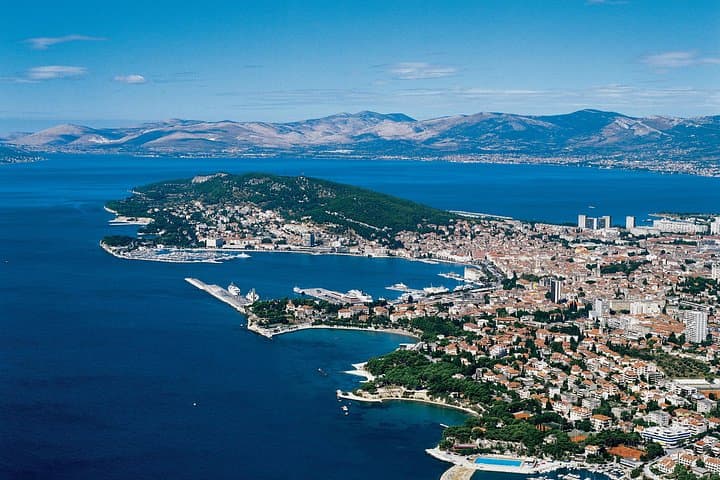
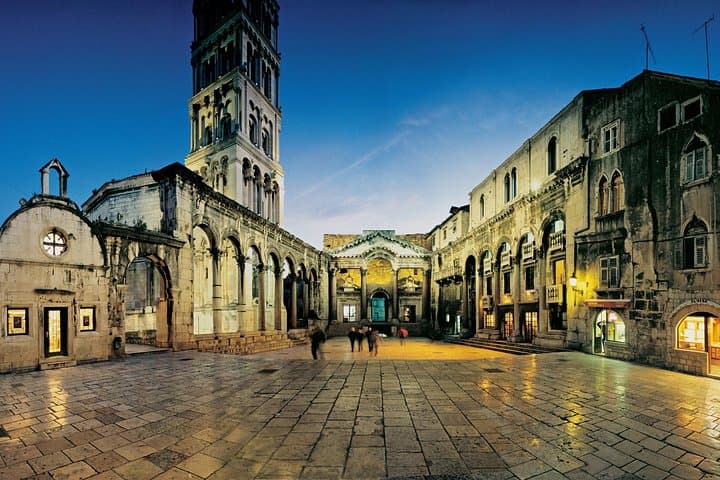
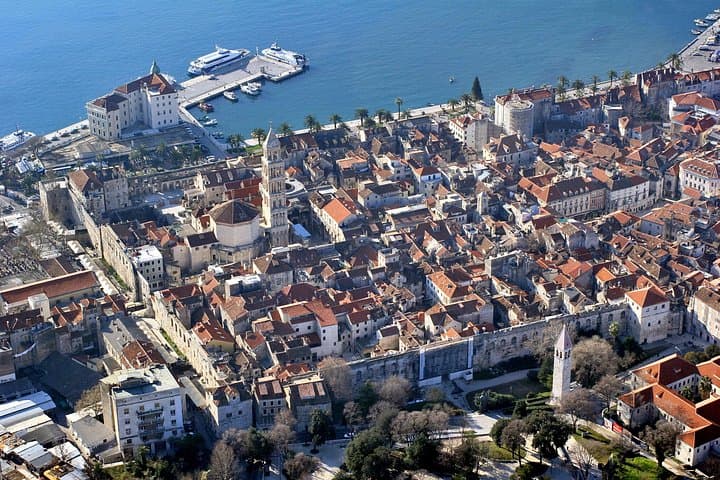
The route then threads through Pelješac’s vineyards and olive groves, a landscape shaped by karst geology and centuries of maritime trade. On arrival in Split the contrast is immediate: Diocletian’s Palace, a living Roman complex and UNESCO World Heritage Site, sits at the center of a city that blends ancient stone with cafes and beaches.
Expect a full day (about 10–12 hours) of driving and short, guided stops rather than long hikes. The private format gives flexibility for photo stops—look for the Pelješac Bridge viewpoint on the return leg—and the itinerary is light on strenuous activity but heavy on history, coastal geology, and culinary moments.
Practicalities: bring layered clothing for breezy coastal wind, comfortable shoes for cobbled streets and short climbs, sun protection, and a charged phone for photos. The tour runs year-round but is busiest in summer; book ahead if you want a morning departure to avoid peak heat and crowds.
easy.
10–12 hours.
Suitable for average fitness; involves short walks, cobbled streets, and some stairs in historic sites
The scenic drive takes about three hours one way along the coastal road, with photo stops and short breaks extending total travel time.
This tour typically includes transportation only; admission to Diocletian’s Palace areas is generally free but specific museum entries may require separate tickets.
Yes—infant seats are available and the tour is rated easy, though parents should plan for long periods in the vehicle and bring snacks and entertainment.
Yes—since this is a private tour you can request stops tailored to dietary needs; notify the operator when booking so they can plan accordingly.
Ston’s salt pans date back to Roman times and the defensive walls were expanded in the 14th–15th centuries to protect valuable salt and oyster production.
The region balances tourism with protected marine and karst habitats; avoid disturbing oyster beds and follow local guidance to minimize impact on fragile coastal ecosystems.
Adriatic Explore d.o.o. operates guided outdoor trips and adventures with an emphasis on safety, stewardship, and memorable experiences.

You pull away from Dubrovnik’s Old Town before sunrise, the Adriatic flashing at the side of the road as the coast opens up. The van hums along one of Croatia’s most picturesque drives; limestone cliffs and olive-strewn hills pass like pages in a travel journal while the guide points out the Pelješac peninsula and the ribbon of sea that separates it from the mainland.
You pull away from Dubrovnik’s Old Town before sunrise, the Adriatic flashing at the side of the road as the coast opens up. The van hums along one of Croatia’s most picturesque drives; limestone cliffs and olive-strewn hills pass like pages in a travel journal while the guide points out the Pelješac peninsula and the ribbon of sea that separates it from the mainland.
First stop: Ston. The town’s 7 km defensive wall stretches over the ridge like a low, deliberate backbone. Salt pans still glitter where Romans and later Venetians harvested sea salt, and local oyster beds—argued by many to be among the world’s best—sit in protected bays.
The route then threads through Pelješac’s vineyards and olive groves, a landscape shaped by karst geology and centuries of maritime trade. On arrival in Split the contrast is immediate: Diocletian’s Palace, a living Roman complex and UNESCO World Heritage Site, sits at the center of a city that blends ancient stone with cafes and beaches.
Expect a full day (about 10–12 hours) of driving and short, guided stops rather than long hikes. The private format gives flexibility for photo stops—look for the Pelješac Bridge viewpoint on the return leg—and the itinerary is light on strenuous activity but heavy on history, coastal geology, and culinary moments.
Practicalities: bring layered clothing for breezy coastal wind, comfortable shoes for cobbled streets and short climbs, sun protection, and a charged phone for photos. The tour runs year-round but is busiest in summer; book ahead if you want a morning departure to avoid peak heat and crowds.