THE ADVENTURE COLLECTIVE® · Independent discovery and booking for outdoor travel

Spend a full day tracing Shanghai’s contrasts: shikumen lanes and literary streets, serene temple spaces, contemporary art at the China Art Museum, and a skyward view from Shanghai Tower. This private 8-hour tour pairs history with practical, on-the-ground guidance.
Spend a full day tracing Shanghai’s contrasts: shikumen lanes and literary streets, serene temple spaces, contemporary art at the China Art Museum, and a skyward view from Shanghai Tower. This private 8-hour tour pairs history with practical, on-the-ground guidance.
Morning light slices between glass giants as a private vehicle eases through Shanghai streets toward the tree-lined lanes of the Former French Concession. The day unfolds as a paced exploration: narrow shikumen alleys give way to temple courtyards, then a river-swept skyline that rises like a modern cliff face.
Verified experiences and guided adventures in the surrounding area.
Operated by MoreFunAsia Shanghai Tours · Shanghai, Shanghai
Morning light slices between glass giants as a private vehicle eases through Shanghai streets toward the tree-lined lanes of the Former French Concession. The day unfolds as a paced exploration: narrow shikumen alleys give way to temple courtyards, then a river-swept skyline that rises like a modern cliff face.
The route traces Shanghai’s 20th-century arc — shikumen homes that fused Chinese courtyard living with Western facades, the literary echoes along Duolun Road, and the Expo 2010 pavilion reborn as the China Art Museum. Geology here is subtle: reclaimed riverbanks and alluvial flats shaped the Huangpu’s bend, dictating trade corridors and the urban density you now walk through.
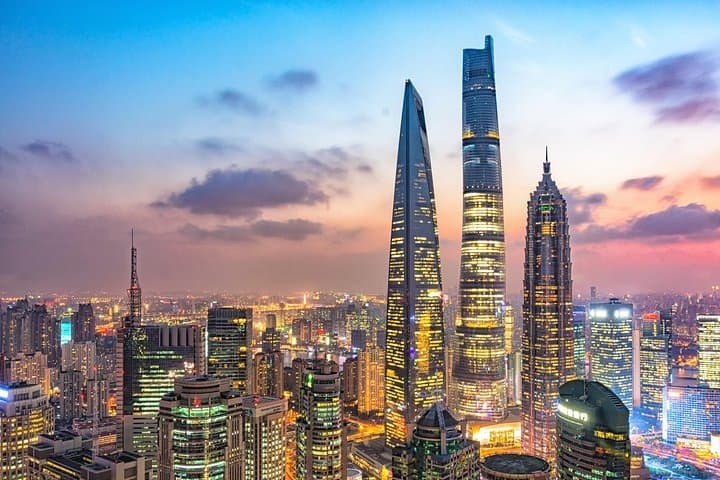
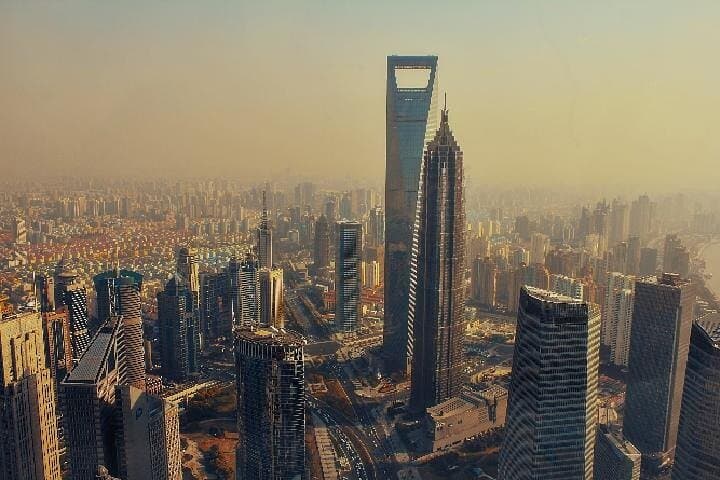
Culture in Shanghai is kinetic; tea houses and bookshops trade quiet for the city’s hum. Jing’an Temple offers a pause of incense and bronze bells, while the Shanghai Tower throws a modern gaze over the river, its observation deck delivering a literal perspective shift.
Practical guidance: expect 7–8 hours with intermittent walking and transfers. Wear supportive shoes for cobbles and building lobbies; bring a compact umbrella in summer and a warm layer in winter. Your private guide times visits to minimize queues and can tailor food stops — from xiaolongbao to street snacks — to your taste.
Plan for steady urban navigation rather than wilderness skills: keep a charged phone, local currency for small purchases, and an appetite for contrasts — history rubbing shoulders with hypermodern skylines.
easy.
7–8 hours.
Suitable for people who can stand and walk intermittently for most of a day; minimal elevation change.
Entrance fees for the attractions indicated in the itinerary (e.g., Shikumen Museum, China Art Museum, Shanghai Tower observation deck) are included as listed.
Yes — private pickup and drop-off from central Shanghai hotels are provided as part of the tour.
Many stops are wheelchair accessible and the operator notes accessibility, but notify them of needs at booking to confirm logistics and elevator access.
Yes — the private guide will suggest and arrange restaurants or local eateries based on your preferences and timing.
Shanghai’s shikumen houses evolved in the late 19th–early 20th centuries, blending Chinese courtyard plans with Western facades; the China Art Museum occupies the Expo 2010 pavilion repurposed as a cultural landmark.
High visitor numbers concentrate at a few sites — follow local guidance on queuing, avoid single-use plastics, and respect temple rules to reduce impact.
MoreFunAsia Shanghai Tours operates guided outdoor trips and adventures with an emphasis on safety, stewardship, and memorable experiences.
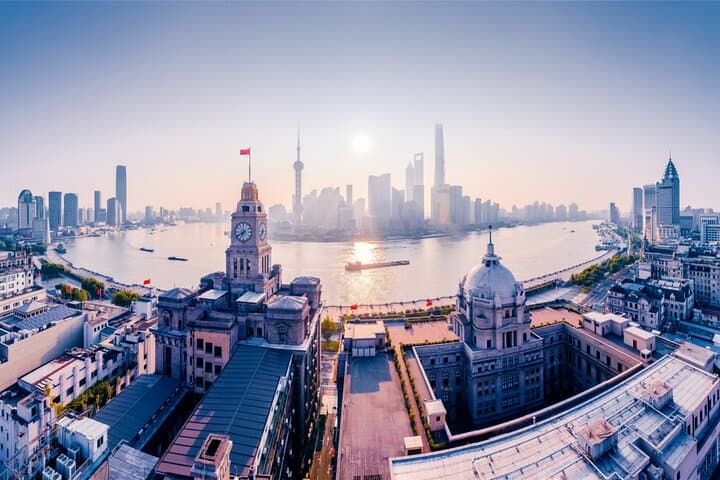
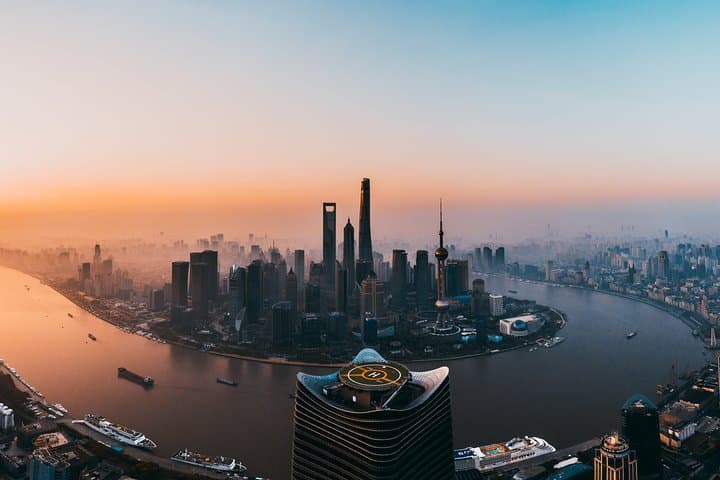
Morning light slices between glass giants as a private vehicle eases through Shanghai streets toward the tree-lined lanes of the Former French Concession. The day unfolds as a paced exploration: narrow shikumen alleys give way to temple courtyards, then a river-swept skyline that rises like a modern cliff face.
Morning light slices between glass giants as a private vehicle eases through Shanghai streets toward the tree-lined lanes of the Former French Concession. The day unfolds as a paced exploration: narrow shikumen alleys give way to temple courtyards, then a river-swept skyline that rises like a modern cliff face.
The route traces Shanghai’s 20th-century arc — shikumen homes that fused Chinese courtyard living with Western facades, the literary echoes along Duolun Road, and the Expo 2010 pavilion reborn as the China Art Museum. Geology here is subtle: reclaimed riverbanks and alluvial flats shaped the Huangpu’s bend, dictating trade corridors and the urban density you now walk through.
Culture in Shanghai is kinetic; tea houses and bookshops trade quiet for the city’s hum. Jing’an Temple offers a pause of incense and bronze bells, while the Shanghai Tower throws a modern gaze over the river, its observation deck delivering a literal perspective shift.
Practical guidance: expect 7–8 hours with intermittent walking and transfers. Wear supportive shoes for cobbles and building lobbies; bring a compact umbrella in summer and a warm layer in winter. Your private guide times visits to minimize queues and can tailor food stops — from xiaolongbao to street snacks — to your taste.
Plan for steady urban navigation rather than wilderness skills: keep a charged phone, local currency for small purchases, and an appetite for contrasts — history rubbing shoulders with hypermodern skylines.