THE ADVENTURE COLLECTIVE® · Independent discovery and booking for outdoor travel

Escape Lisbon for a private day among Setúbal’s vineyards: three estate visits, a traditional Azeitão lunch, and guided tastings of Moscatel and regional wines. This full-day tour pairs local history and terroir with easy logistics and comfortable transport.
Escape Lisbon for a private day among Setúbal’s vineyards: three estate visits, a traditional Azeitão lunch, and guided tastings of Moscatel and regional wines. This full-day tour pairs local history and terroir with easy logistics and comfortable transport.
A morning drive out of Lisbon opens into olive-silver hills and vineyards that lean toward the sea; the road to Setúbal unfurls like a promise. The private vehicle eases through cork oak stands and low stone walls, and by the time the first winery appears, the air smells faintly of sea salt and pressed grapes. Tasting rooms, cool and dim, invite a slow focus on texture and aroma while the guide sketches the region’s story.
Verified experiences and guided adventures in the surrounding area.
Operated by taxiGo DMC · Setúbal, Setúbal District
A morning drive out of Lisbon opens into olive-silver hills and vineyards that lean toward the sea; the road to Setúbal unfurls like a promise. The private vehicle eases through cork oak stands and low stone walls, and by the time the first winery appears, the air smells faintly of sea salt and pressed grapes. Tasting rooms, cool and dim, invite a slow focus on texture and aroma while the guide sketches the region’s story.
Setúbal’s viticultural roots go deep: Moscatel de Setúbal has been produced here for centuries, and historic houses such as José Maria da Fonseca date back to the 19th century, preserving cellars and methods. Geologically, the Setúbal Peninsula draws flavor from limestone soils and maritime influence; the Arrábida hills cast a rain shadow that concentrates grapes. Azeitão contributes culinary culture too—sheep cheeses and cured meats pair naturally with the fortified and table wines.
Practically, the day is paced: three estate visits, cellar tours, and a relaxed lunch in Azeitão with time to walk the town. Expect modest walking on gravel and stone paths, short cellar steps, and 6–7 hours total in a climate that can swing from sun to cool sea breeze.
Bring identification for tastings, pace wine samples with water, and wear closed shoes for uneven cellar floors. Midweek visits are quieter; harvest season adds spectacle but can be busier. The experience balances sensory pleasure with clear logistics—transport, guide, and tasting segments—so you can focus on flavors, landscape, and the regional stories behind each bottle.
easy.
6–7 hours.
Minimal fitness required—suitable for most travelers; involves short walks and standing during tastings.
No—this private tour is suitable for all fitness levels; it involves short walks on flat to gently sloping terrain and standing during tastings.
Yes—private, air-conditioned pick-up and drop-off at the hotel or specified address in Lisbon are included.
Most estates sell bottles on-site; check export rules for your country and pack bottles in your checked luggage or ship through the winery if available.
The itinerary provides 1.5 hours for lunch; inform the operator in advance about dietary needs so they can recommend or arrange appropriate options.
Setúbal’s winemaking dates back centuries; José Maria da Fonseca, founded in 1834, helped popularize Moscatel de Setúbal as a regional specialty.
Parts of the Setúbal Peninsula fall within Arrábida Natural Park—visitors should minimize waste, respect protected areas, and support wineries that follow sustainable viticulture practices.
taxiGo DMC operates guided outdoor trips and adventures with an emphasis on safety, stewardship, and memorable experiences.
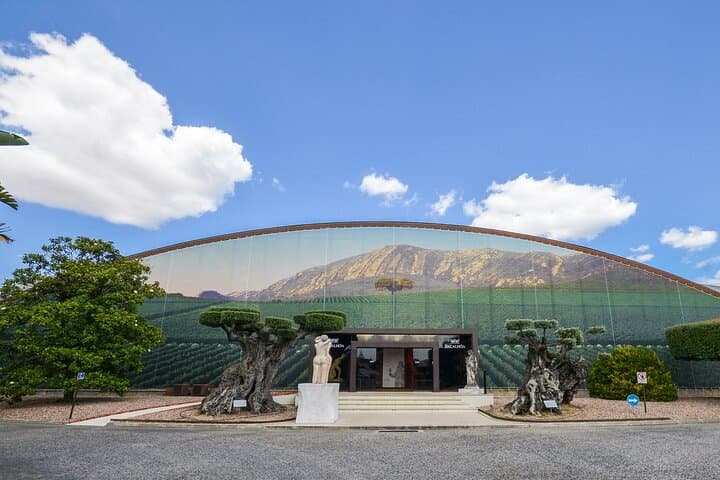
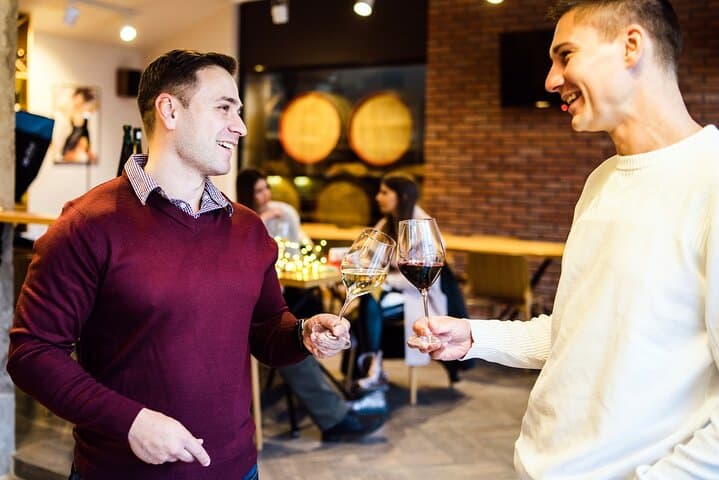
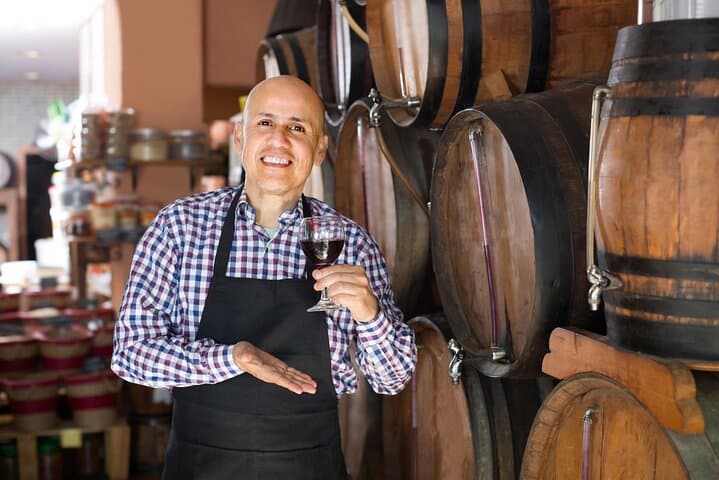

A morning drive out of Lisbon opens into olive-silver hills and vineyards that lean toward the sea; the road to Setúbal unfurls like a promise. The private vehicle eases through cork oak stands and low stone walls, and by the time the first winery appears, the air smells faintly of sea salt and pressed grapes. Tasting rooms, cool and dim, invite a slow focus on texture and aroma while the guide sketches the region’s story.
A morning drive out of Lisbon opens into olive-silver hills and vineyards that lean toward the sea; the road to Setúbal unfurls like a promise. The private vehicle eases through cork oak stands and low stone walls, and by the time the first winery appears, the air smells faintly of sea salt and pressed grapes. Tasting rooms, cool and dim, invite a slow focus on texture and aroma while the guide sketches the region’s story.
Setúbal’s viticultural roots go deep: Moscatel de Setúbal has been produced here for centuries, and historic houses such as José Maria da Fonseca date back to the 19th century, preserving cellars and methods. Geologically, the Setúbal Peninsula draws flavor from limestone soils and maritime influence; the Arrábida hills cast a rain shadow that concentrates grapes. Azeitão contributes culinary culture too—sheep cheeses and cured meats pair naturally with the fortified and table wines.
Practically, the day is paced: three estate visits, cellar tours, and a relaxed lunch in Azeitão with time to walk the town. Expect modest walking on gravel and stone paths, short cellar steps, and 6–7 hours total in a climate that can swing from sun to cool sea breeze.
Bring identification for tastings, pace wine samples with water, and wear closed shoes for uneven cellar floors. Midweek visits are quieter; harvest season adds spectacle but can be busier. The experience balances sensory pleasure with clear logistics—transport, guide, and tasting segments—so you can focus on flavors, landscape, and the regional stories behind each bottle.