THE ADVENTURE COLLECTIVE® · Independent discovery and booking for outdoor travel

Spend a full day tracking the Big Five across Kruger National Park with a private guide. Expect long drives over varied Lowveld terrain, excellent dawn and dusk game viewing, and interpretive insights into the park’s ecology and history.
Spend a full day tracking the Big Five across Kruger National Park with a private guide. Expect long drives over varied Lowveld terrain, excellent dawn and dusk game viewing, and interpretive insights into the park’s ecology and history.
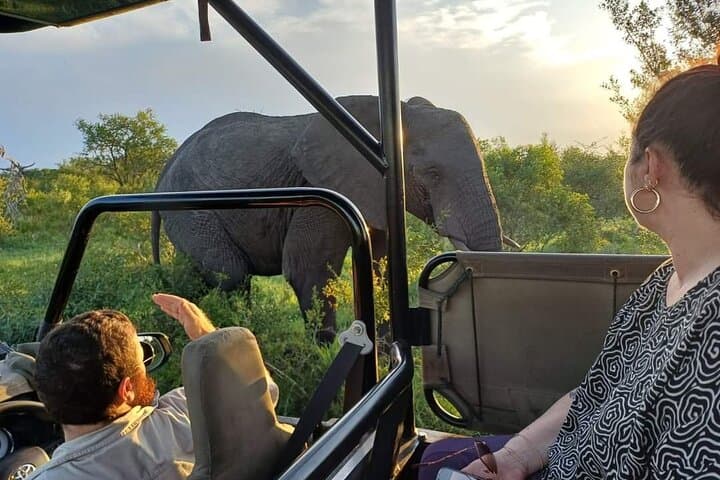
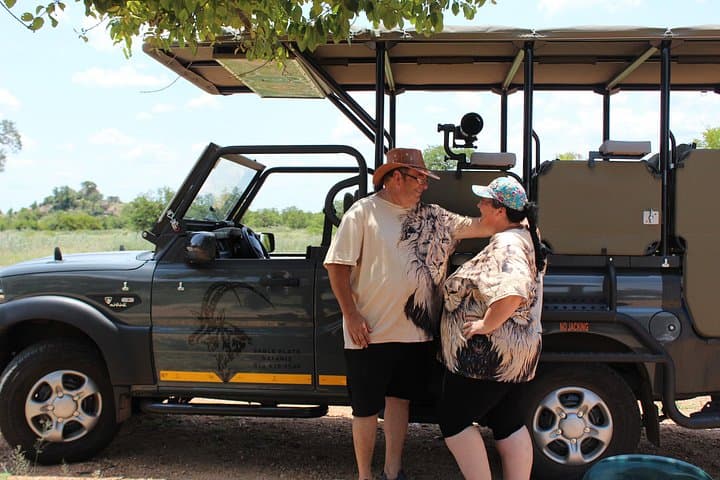
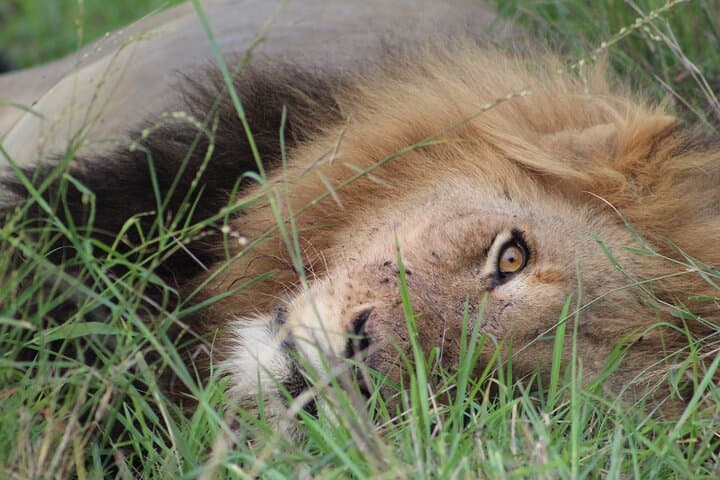
The Land Cruiser eases onto a gravel track as dawn burns through acacia and fever trees; dust hangs low and the bush seems to hold its breath. Guides scan the horizon with practiced patience—each rustle could be a herd on the move, a lion's tail flicking, or a pair of hornbills arguing in the canopy. On a full-day private safari in Kruger, the landscape directs the pace and the vehicle answers.
Verified experiences and guided adventures in the surrounding area.
Operated by Sable Flats Safaris · Skukuza, Mpumalanga
The Land Cruiser eases onto a gravel track as dawn burns through acacia and fever trees; dust hangs low and the bush seems to hold its breath. Guides scan the horizon with practiced patience—each rustle could be a herd on the move, a lion's tail flicking, or a pair of hornbills arguing in the canopy. On a full-day private safari in Kruger, the landscape directs the pace and the vehicle answers.
Kruger National Park, established in 1898 and named for statesman Paul Kruger, stretches across the Lowveld where granite outcrops and ancient gneiss shape broad floodplains and meandering rivers. The ecology ranges from mopane woodlands to riverine forest, supporting iconic species and local Shangaan culture in gateway towns. History and geology are visible in the park’s tracks, camp ruins, and the slow pull of seasonal rivers.
Practically speaking, expect long, comfortable drives over gravel roads—full-day outings commonly cover 100–200 km across undulating terrain at roughly 200–600 m elevation. Game viewing is best at first light and late afternoon when predators are active; brunch is often served midway on full-day trips. Guides handle routing and safety; passengers should remain in the vehicle, keep voices low, and follow instructions.
Pack binoculars and layered sun protection, charge camera batteries, and hydrate: the sun can be relentless while mornings are cool. Respect wildlife distances, support local conservation by following park rules, and let the guide shape your route—Kruger rewards patience, curiosity, and quiet observation.
easy.
12 hours.
Suitable for most fitness levels; requires prolonged sitting and short periods of stepping in/out of the vehicle
No—sightings depend on animal movements and seasonal factors; experienced guides maximize chances but cannot guarantee specific encounters.
Yes—private vehicle safaris are generally suitable for all ages, but check specific operator policies for seat belts, child seats, and health accommodations.
Neutral-colored, lightweight clothing for summer and layered clothing in winter; closed shoes for walking short distances in camps.
No—leave the vehicle only where expressly permitted by the guide or at designated rest stops to ensure safety and minimize disturbance.
Kruger National Park was formally established in 1898 and expanded throughout the 20th century to protect diverse Lowveld ecosystems and indigenous wildlife.
The park is a focal point for anti-poaching efforts and community-based conservation; visitors are encouraged to minimize impact and support local guides and services.
Sable Flats Safaris operates guided outdoor trips and adventures with an emphasis on safety, stewardship, and memorable experiences.
The Land Cruiser eases onto a gravel track as dawn burns through acacia and fever trees; dust hangs low and the bush seems to hold its breath. Guides scan the horizon with practiced patience—each rustle could be a herd on the move, a lion's tail flicking, or a pair of hornbills arguing in the canopy. On a full-day private safari in Kruger, the landscape directs the pace and the vehicle answers.
The Land Cruiser eases onto a gravel track as dawn burns through acacia and fever trees; dust hangs low and the bush seems to hold its breath. Guides scan the horizon with practiced patience—each rustle could be a herd on the move, a lion's tail flicking, or a pair of hornbills arguing in the canopy. On a full-day private safari in Kruger, the landscape directs the pace and the vehicle answers.
Kruger National Park, established in 1898 and named for statesman Paul Kruger, stretches across the Lowveld where granite outcrops and ancient gneiss shape broad floodplains and meandering rivers. The ecology ranges from mopane woodlands to riverine forest, supporting iconic species and local Shangaan culture in gateway towns. History and geology are visible in the park’s tracks, camp ruins, and the slow pull of seasonal rivers.
Practically speaking, expect long, comfortable drives over gravel roads—full-day outings commonly cover 100–200 km across undulating terrain at roughly 200–600 m elevation. Game viewing is best at first light and late afternoon when predators are active; brunch is often served midway on full-day trips. Guides handle routing and safety; passengers should remain in the vehicle, keep voices low, and follow instructions.
Pack binoculars and layered sun protection, charge camera batteries, and hydrate: the sun can be relentless while mornings are cool. Respect wildlife distances, support local conservation by following park rules, and let the guide shape your route—Kruger rewards patience, curiosity, and quiet observation.