THE ADVENTURE COLLECTIVE® · Independent discovery and booking for outdoor travel

A private roadtrip from Lima to the high, otherworldly granite formations of Marcahuasi—an accessible but altitude-demanding day in the Andes. Expect a mix of comfort transport, a 45–60 minute uphill hike at 3,600 m, and three hours exploring stone formations that look eerily human.
A private roadtrip from Lima to the high, otherworldly granite formations of Marcahuasi—an accessible but altitude-demanding day in the Andes. Expect a mix of comfort transport, a 45–60 minute uphill hike at 3,600 m, and three hours exploring stone formations that look eerily human.
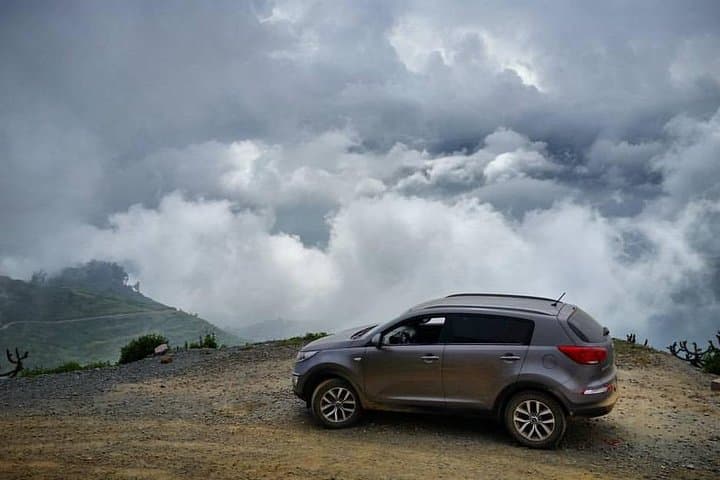
The day begins before sunrise, headlights carving a ribbon of light up the Panamericana and then onto a narrowing Andean road. As the city falls away, the air thins and the landscape sharpens: terraced hills give way to wind-polished rock and high-altitude grass. Your private SUV hums onward, stopping in the small plaza of San Pedro de Casta for a quick breakfast where locals fold fresh empanadas into paper and the guide checks passports and the community visitors’ book.
Verified experiences and guided adventures in the surrounding area.
Operated by Green Soul Overland · San Pedro de Casta, Lima
The day begins before sunrise, headlights carving a ribbon of light up the Panamericana and then onto a narrowing Andean road. As the city falls away, the air thins and the landscape sharpens: terraced hills give way to wind-polished rock and high-altitude grass. Your private SUV hums onward, stopping in the small plaza of San Pedro de Casta for a quick breakfast where locals fold fresh empanadas into paper and the guide checks passports and the community visitors’ book.
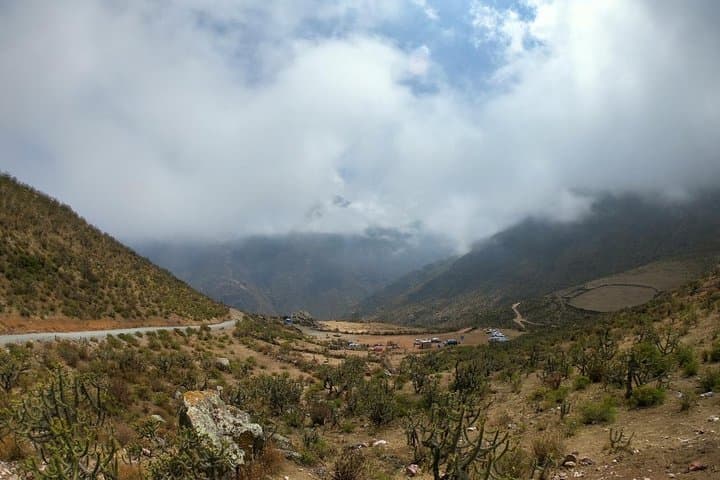
From the village the drive climbs toward Autisha Canyon. A short photographic stop on the bridge shows the canyon cutting deep—water and gravity daring you to trace its path with your eyes. Beyond that, the road becomes a rehearsal for what the plateau demands: higher altitude, sparser vegetation, a sun that feels unfiltered.
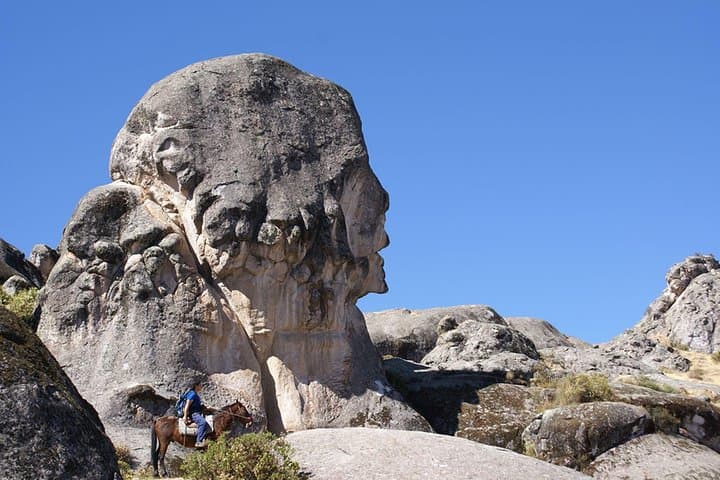
Marcahuasi’s landscape reads like an argument between granite and time. Towers, arches and humanoid silhouettes are not man-made monuments but the result of freeze-thaw and wind sculpting millions of years of intrusive granite. Local lore gives the rocks characters—watchers, guardians—while archaeologists point to pre-Columbian pathways and the longstanding use of these puna highlands by Quechua-speaking communities.
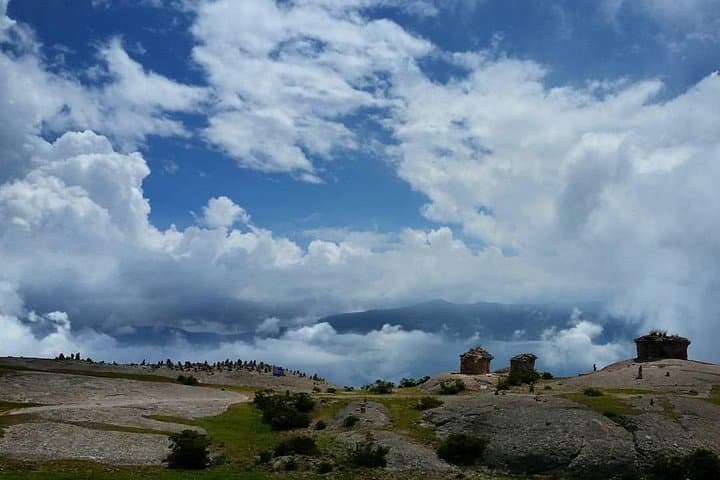
The plateau sits around 3,600 meters above sea level, and the real ascent is a 45–60 minute uphill hike from the last vehicle drop-off to the amphitheater. Expect clear, panoramic views: the Lima basin to the southwest, the terraced hills below, and a stone forest under a harsh, brilliant sky. Your private guide will lead a roughly three-hour circuit across the amphitheater covering the iconic formations, stopping for snacks and to set up drone or professional photography if included.
Practicalities shape the experience. Altitude is the deciding factor—soroche can arrive without warning—so pace the uphill section, sip water frequently and avoid heavy alcohol the night before. Footing is uneven: granite slabs, scree and short patches of puna grass require stable boots and ankle awareness. Weather moves fast; mornings are crisp, midday is strong sun, and a cold wind can arrive in an instant.
This private roadtrip packages comfort and flexibility—air-conditioned transport, multilingual guides and the chance to visit spots other tours skip—but it asks for physical readiness. Reserve early in high season, bring layered clothing, and budget time to absorb the plateau’s slow, uncanny geology. At Marcahuasi you’re not just looking at rocks—you’re listening to them: each shaped face a slow, geological conversation that dares you to stay a little longer and watch how light and shadow redraw the landscape.
moderate.
9–10 hours.
Moderate fitness with the ability to hike uphill for 45–60 minutes at high altitude; basic stamina for several hours on uneven ground.
From the vehicle drop-off it's typically a 45–60 minute uphill walk to the amphitheater, followed by about three hours exploring the plateau.
Yes—visitors register in the peasant community's logbook in San Pedro de Casta; entrance to the plateau is included with this private tour.
Yes—Marcahuasi sits around 3,600 m. Acclimatize, hydrate, ascend slowly and tell your guide if you feel headache, nausea or dizziness.
Basic facilities are available in San Pedro de Casta; on the plateau facilities are limited to primitive options—plan accordingly.
Drone use may be allowed but respect local rules and wildlife; confirm with the operator and the community beforehand as permissions vary.
This private tour offers hotel pickup across central districts (Miraflores, San Isidro, Barranco, etc.); confirm your pickup point after booking.
Marcahuasi’s stone forms are natural granite tors shaped by millennia of freeze-thaw; local communities have used the highland routes since pre-Columbian times and maintain visitor registers.
The puna ecosystem is fragile—stay on marked paths, pack out all trash and minimize drone disturbance to nesting birds and wildlife.
Green Soul Overland operates guided outdoor trips and adventures with an emphasis on safety, stewardship, and memorable experiences.
The day begins before sunrise, headlights carving a ribbon of light up the Panamericana and then onto a narrowing Andean road. As the city falls away, the air thins and the landscape sharpens: terraced hills give way to wind-polished rock and high-altitude grass. Your private SUV hums onward, stopping in the small plaza of San Pedro de Casta for a quick breakfast where locals fold fresh empanadas into paper and the guide checks passports and the community visitors’ book.
The day begins before sunrise, headlights carving a ribbon of light up the Panamericana and then onto a narrowing Andean road. As the city falls away, the air thins and the landscape sharpens: terraced hills give way to wind-polished rock and high-altitude grass. Your private SUV hums onward, stopping in the small plaza of San Pedro de Casta for a quick breakfast where locals fold fresh empanadas into paper and the guide checks passports and the community visitors’ book.
From the village the drive climbs toward Autisha Canyon. A short photographic stop on the bridge shows the canyon cutting deep—water and gravity daring you to trace its path with your eyes. Beyond that, the road becomes a rehearsal for what the plateau demands: higher altitude, sparser vegetation, a sun that feels unfiltered.
Marcahuasi’s landscape reads like an argument between granite and time. Towers, arches and humanoid silhouettes are not man-made monuments but the result of freeze-thaw and wind sculpting millions of years of intrusive granite. Local lore gives the rocks characters—watchers, guardians—while archaeologists point to pre-Columbian pathways and the longstanding use of these puna highlands by Quechua-speaking communities.
The plateau sits around 3,600 meters above sea level, and the real ascent is a 45–60 minute uphill hike from the last vehicle drop-off to the amphitheater. Expect clear, panoramic views: the Lima basin to the southwest, the terraced hills below, and a stone forest under a harsh, brilliant sky. Your private guide will lead a roughly three-hour circuit across the amphitheater covering the iconic formations, stopping for snacks and to set up drone or professional photography if included.
Practicalities shape the experience. Altitude is the deciding factor—soroche can arrive without warning—so pace the uphill section, sip water frequently and avoid heavy alcohol the night before. Footing is uneven: granite slabs, scree and short patches of puna grass require stable boots and ankle awareness. Weather moves fast; mornings are crisp, midday is strong sun, and a cold wind can arrive in an instant.
This private roadtrip packages comfort and flexibility—air-conditioned transport, multilingual guides and the chance to visit spots other tours skip—but it asks for physical readiness. Reserve early in high season, bring layered clothing, and budget time to absorb the plateau’s slow, uncanny geology. At Marcahuasi you’re not just looking at rocks—you’re listening to them: each shaped face a slow, geological conversation that dares you to stay a little longer and watch how light and shadow redraw the landscape.