THE ADVENTURE COLLECTIVE® · Independent discovery and booking for outdoor travel

A full-day private transfer from Lisbon to Porto that compresses the city’s highlights into one efficient itinerary — from São Bento’s tile panels to Clérigos Tower and the riverside cellars of Gaia. Ideal for travelers who want Porto’s essentials in a single, well-paced day.
A full-day private transfer from Lisbon to Porto that compresses the city’s highlights into one efficient itinerary — from São Bento’s tile panels to Clérigos Tower and the riverside cellars of Gaia. Ideal for travelers who want Porto’s essentials in a single, well-paced day.
You leave Lisbon before dawn and the highway slides past vineyard terraces and small towns until the Douro announces itself — a wide ribbon of dark water that seems to dare you to slow down and look.
Verified experiences and guided adventures in the surrounding area.
Operated by abc Travel · Porto, Porto
You leave Lisbon before dawn and the highway slides past vineyard terraces and small towns until the Douro announces itself — a wide ribbon of dark water that seems to dare you to slow down and look.
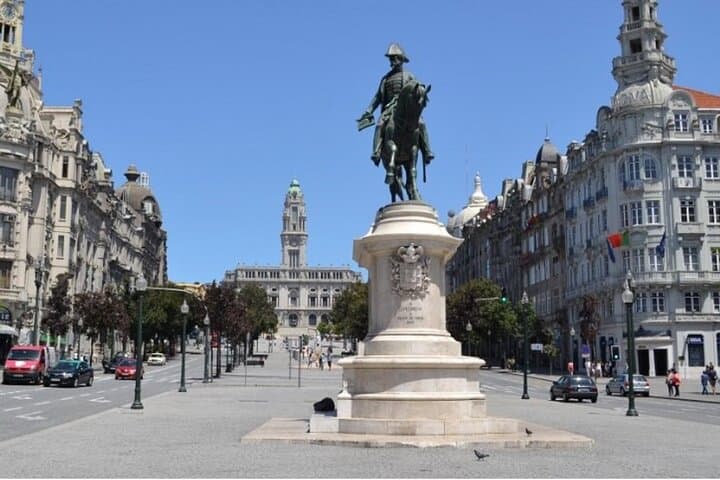
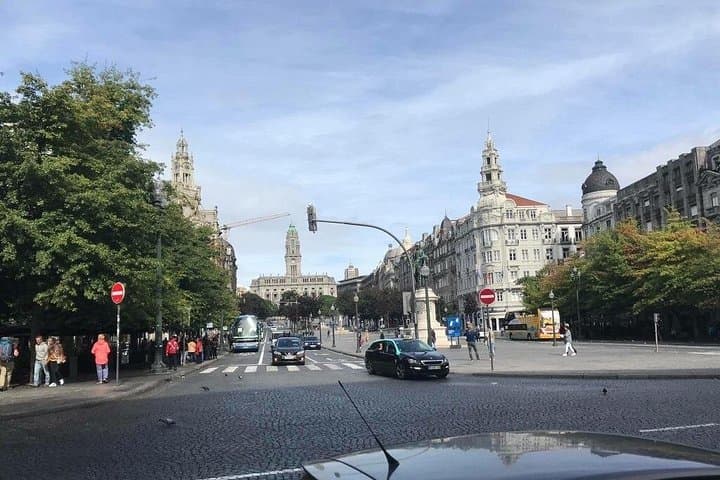
Arriving in Porto, the city unfolds in granite and tile: the tiled stories of São Bento station, the baroque drama of Clérigos Tower and the sober mass of the Sé Cathedral. Porto’s center is a UNESCO World Heritage area where centuries of maritime trade meet northern Portugal’s granite geology; the steep banks and narrow streets were shaped by commerce, not by a plan for tourists.
Architect Nicolau Nasoni left his mark in exuberant baroque flourishes; the Palácio da Bolsa hints at 19th-century mercantile confidence. Across the river, Vila Nova de Gaia stores centuries of port wine in cool, cellared rows — a cultural practice tied to colonial trade and local identity.
Practical guidance: this is a long, full-day outing (about 9–10 hours) with hotel pickup in Lisbon and private transport; admissions, food and wine tastings are typically at your expense. Expect significant walking on uneven stone streets and steep steps; stairs at Clérigos Tower and the Sé are narrow. Bring a rain layer in shoulder seasons and sun protection in summer; bottled water is usually provided but carry an extra bottle. Keep a valid ID/passport if you plan to taste or buy alcohol.
Timing is everything — start early to avoid afternoon traffic on return to Lisbon, and budget time for a riverside break in the Ribeira and a cellar tour in Gaia. This itinerary trades deep local immersion for a compact, efficient survey of Porto’s highlights.
easy.
9–10 hours.
Suitable for travelers with basic fitness who can handle multiple short walks, stairs, and standing for tours.
The tour runs about 9–10 hours; pickup times vary but you should expect to return to Lisbon in the evening depending on traffic.
No — admissions, museum tickets and wine tastings are typically paid on-site and are listed as own expenses.
Porto has many steep streets and cobbled sections; while not technically hard, walking requires stable shoes and moderate mobility.
Yes — hotel pickup and drop-off in Lisbon are part of the inclusions listed by the operator.
Porto grew rich as a medieval and early-modern port city; its port wine trade with Britain shaped the city’s warehouses and riverside culture from the 18th century onward.
The city balances tourism with preservation of historic fabric; visitors are asked to respect heritage sites and reduce waste, especially along the riverside and in narrow streets.
abc Travel operates guided outdoor trips and adventures with an emphasis on safety, stewardship, and memorable experiences.
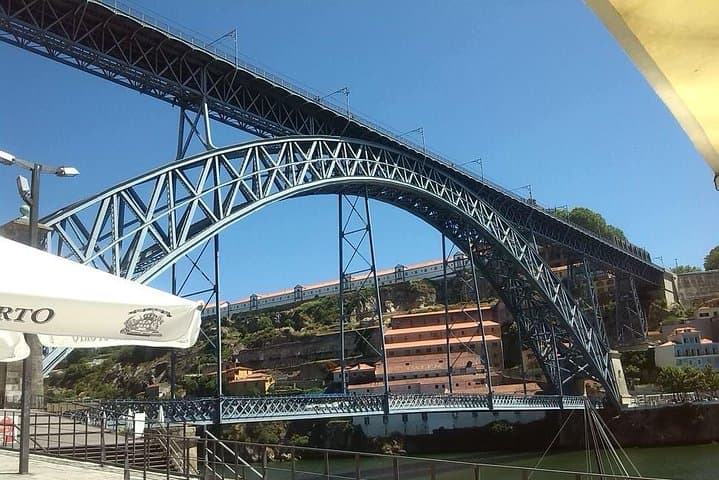
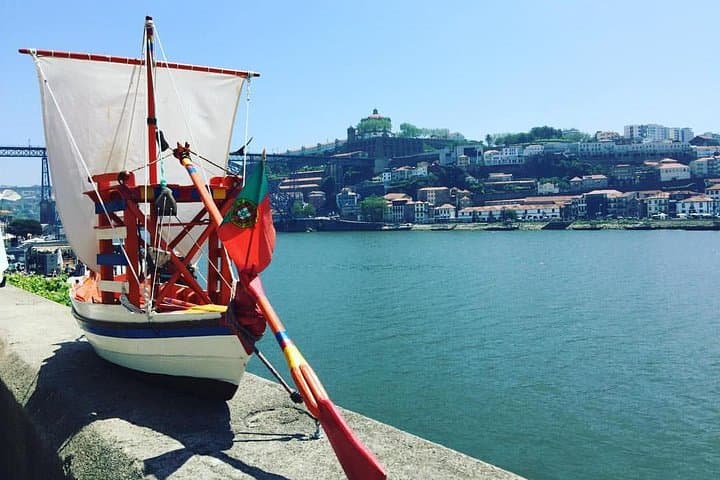
You leave Lisbon before dawn and the highway slides past vineyard terraces and small towns until the Douro announces itself — a wide ribbon of dark water that seems to dare you to slow down and look.
You leave Lisbon before dawn and the highway slides past vineyard terraces and small towns until the Douro announces itself — a wide ribbon of dark water that seems to dare you to slow down and look.
Arriving in Porto, the city unfolds in granite and tile: the tiled stories of São Bento station, the baroque drama of Clérigos Tower and the sober mass of the Sé Cathedral. Porto’s center is a UNESCO World Heritage area where centuries of maritime trade meet northern Portugal’s granite geology; the steep banks and narrow streets were shaped by commerce, not by a plan for tourists.
Architect Nicolau Nasoni left his mark in exuberant baroque flourishes; the Palácio da Bolsa hints at 19th-century mercantile confidence. Across the river, Vila Nova de Gaia stores centuries of port wine in cool, cellared rows — a cultural practice tied to colonial trade and local identity.
Practical guidance: this is a long, full-day outing (about 9–10 hours) with hotel pickup in Lisbon and private transport; admissions, food and wine tastings are typically at your expense. Expect significant walking on uneven stone streets and steep steps; stairs at Clérigos Tower and the Sé are narrow. Bring a rain layer in shoulder seasons and sun protection in summer; bottled water is usually provided but carry an extra bottle. Keep a valid ID/passport if you plan to taste or buy alcohol.
Timing is everything — start early to avoid afternoon traffic on return to Lisbon, and budget time for a riverside break in the Ribeira and a cellar tour in Gaia. This itinerary trades deep local immersion for a compact, efficient survey of Porto’s highlights.