THE ADVENTURE COLLECTIVE® · Independent discovery and booking for outdoor travel

Walk Montmartre's artists' streets, cross Beaux-Arts bridges and ride to the top of the Eiffel Tower on a private seven-hour tour. This full-day itinerary blends city history, iconic views and practical travel tips for an efficient Paris exploration.
Walk Montmartre's artists' streets, cross Beaux-Arts bridges and ride to the top of the Eiffel Tower on a private seven-hour tour. This full-day itinerary blends city history, iconic views and practical travel tips for an efficient Paris exploration.
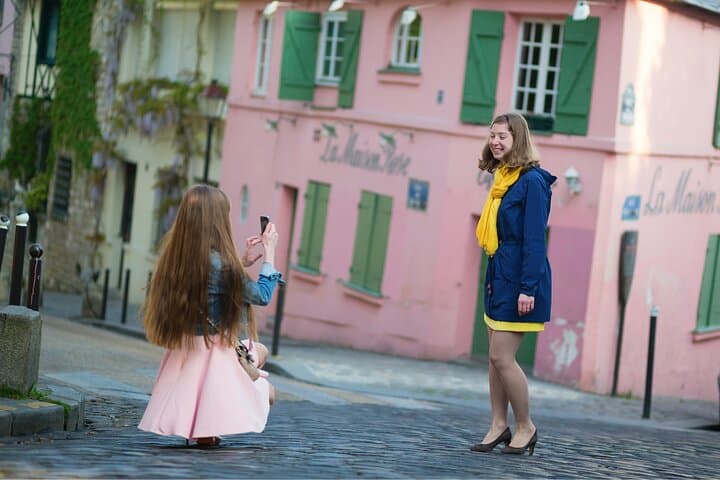
You step out of Anvers station and the hill of Montmartre pushes up before you — cobbled streets, artists' easels, and the white dome of Sacré‑Cœur sitting 130 meters above the city.
Verified experiences and guided adventures in the surrounding area.
Operated by Local CoolTour · Paris, Île-de-France
You step out of Anvers station and the hill of Montmartre pushes up before you — cobbled streets, artists' easels, and the white dome of Sacré‑Cœur sitting 130 meters above the city.
The day moves from intimate lanes to grand boulevards: a funicular ride through bohemian quarters, a coffee in a café with cinema-kissed tables, then across the Seine over Pont Alexandre III where stone nymphs and gilt lamps seem to pressure the river into yielding views. Tuileries Gardens and Place de la Concorde bring the sweep of Parisian urban design and a reminder of the Revolution; Les Invalides frames military history while the Eiffel Tower, built by Gustave Eiffel for the 1889 Exposition, crowns the route.
This is a walking-first private tour: expect 6–10 km of mostly paved streets, steps in Montmartre and short metro or taxi hops to bridge longer gaps. Terrain is urban — cobbles, staircases and park paths — with about 130 m of climbing at Sacré‑Cœur. Culture here is visible at every turn: a secret Clos Montmartre vineyard, cafés where painters once argued, and memorials that mark France’s political shifts.
Practical edge: the full option includes lunch and Eiffel Tower access; confirm which entrances are included when you book. Peak light and smaller crowds come early or late afternoon; mid-day is best for café culture. Wear cushioned shoes, carry a portable charger and a refillable water bottle, and keep a slim daypack for maps, tickets and a light layer—Parisian weather can change quickly.
easy.
7 hours.
Suitable for most fitness levels; expect several hours on your feet and short stair climbs (Montmartre hill ~130 m elevation).
The full option includes Eiffel Tower access; confirm whether summit/elevator access is included at booking and present your mobile ticket as instructed.
Expect about 6–10 km (4–6 miles) on mostly paved streets with stair sections in Montmartre and short vehicle or metro transfers.
Lunch in a traditional French restaurant is included with the full option; the standard option does not include lunch or café coffee.
The tour is family-friendly, but Montmartre’s steep streets and steps can be difficult with strollers; inquire about infant seats and alternative routes when booking.
Montmartre evolved from a rural hill with windmills and vineyards into an artists' quarter where figures like Picasso and Van Gogh lived; the Eiffel Tower was erected for the 1889 Universal Exhibition.
High foot traffic strains older streets and parks—stick to paths, support local businesses and minimize single-use plastics to reduce your impact.
Local CoolTour operates guided outdoor trips and adventures with an emphasis on safety, stewardship, and memorable experiences.
You step out of Anvers station and the hill of Montmartre pushes up before you — cobbled streets, artists' easels, and the white dome of Sacré‑Cœur sitting 130 meters above the city.
You step out of Anvers station and the hill of Montmartre pushes up before you — cobbled streets, artists' easels, and the white dome of Sacré‑Cœur sitting 130 meters above the city.
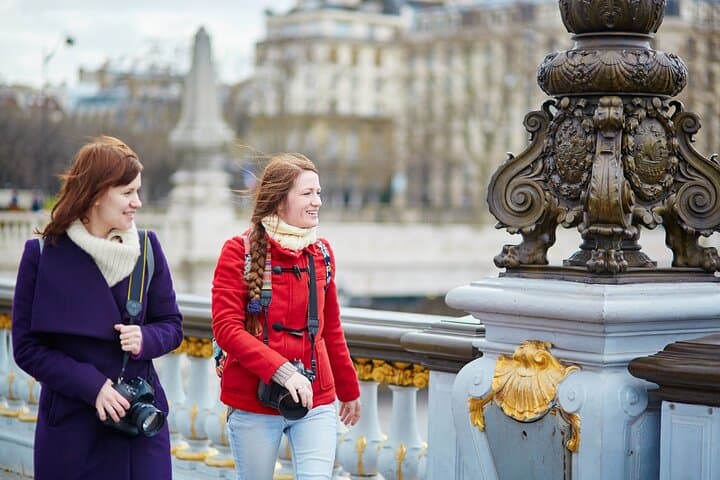
The day moves from intimate lanes to grand boulevards: a funicular ride through bohemian quarters, a coffee in a café with cinema-kissed tables, then across the Seine over Pont Alexandre III where stone nymphs and gilt lamps seem to pressure the river into yielding views. Tuileries Gardens and Place de la Concorde bring the sweep of Parisian urban design and a reminder of the Revolution; Les Invalides frames military history while the Eiffel Tower, built by Gustave Eiffel for the 1889 Exposition, crowns the route.
This is a walking-first private tour: expect 6–10 km of mostly paved streets, steps in Montmartre and short metro or taxi hops to bridge longer gaps. Terrain is urban — cobbles, staircases and park paths — with about 130 m of climbing at Sacré‑Cœur. Culture here is visible at every turn: a secret Clos Montmartre vineyard, cafés where painters once argued, and memorials that mark France’s political shifts.
Practical edge: the full option includes lunch and Eiffel Tower access; confirm which entrances are included when you book. Peak light and smaller crowds come early or late afternoon; mid-day is best for café culture. Wear cushioned shoes, carry a portable charger and a refillable water bottle, and keep a slim daypack for maps, tickets and a light layer—Parisian weather can change quickly.