THE ADVENTURE COLLECTIVE® · Independent discovery and booking for outdoor travel

Spend a private day from Paphos exploring Kourion’s ruins, the medieval Kolossi Castle, Limassol’s waterfront, and the dramatic Aphrodite’s Rock viewpoint. This guided tour blends archaeology, coastal geology, and local culture into a single eight-hour loop.
Spend a private day from Paphos exploring Kourion’s ruins, the medieval Kolossi Castle, Limassol’s waterfront, and the dramatic Aphrodite’s Rock viewpoint. This guided tour blends archaeology, coastal geology, and local culture into a single eight-hour loop.
You step into limestone light as the van eases away from Paphos harbor, the sea hunching against the shoreline like a patient animal. The day unfolds across low ridgelines and a coastline that has held empires—each stop a chapter you can see and touch.
Verified experiences and guided adventures in the surrounding area.
Operated by Opatrip.com Cyprus · Paphos, Paphos District
You step into limestone light as the van eases away from Paphos harbor, the sea hunching against the shoreline like a patient animal. The day unfolds across low ridgelines and a coastline that has held empires—each stop a chapter you can see and touch.
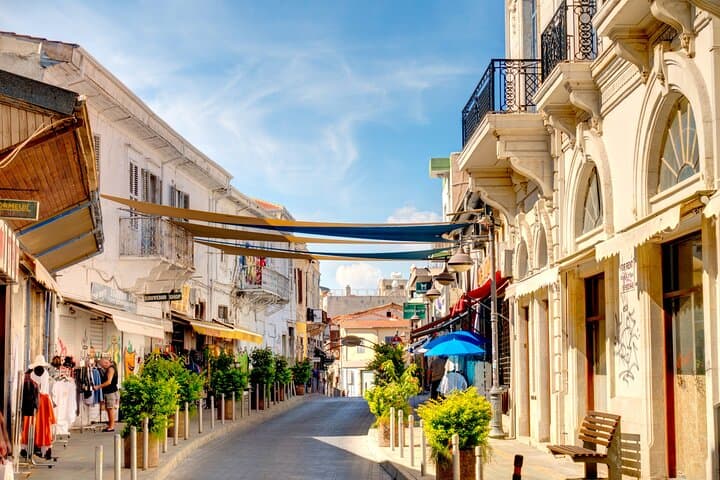
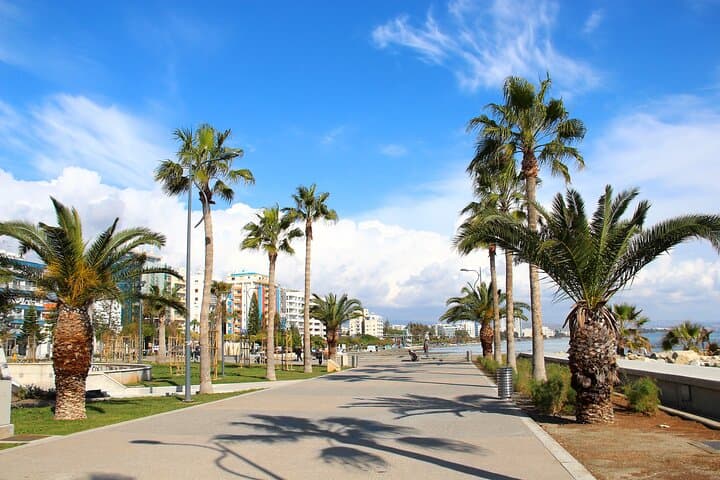
Ancient Kourion opens first: a Roman theatre carved into a promontory where stone rows slope toward the sea and mosaics still keep the names of long-gone households. Kolossi Castle follows, its compact keep and curtain walls speaking to Crusader-era military logic and medieval sugar production. In Limassol, the city’s harbor and promenade reveal modern Cyprus — cafés, maritime motion, and a populace comfortable with both the old and the new. The final pause at Petra tou Romiou (Aphrodite’s Rock) gives a dramatic coastal view; the shoreline’s geology—wave-cut platforms and stacked limestone—frames a place long woven into myth.
History here ranges from Bronze Age settlements through Roman urban life and medieval fortifications; geology is simple but decisive: limestones and marls eroded into headlands and sheltered bays. Local guides often thread cultural notes about Cypriot hospitality, wine traditions around Kolossi, and the island’s layered rule by Greeks, Romans, Byzantines and Crusaders.
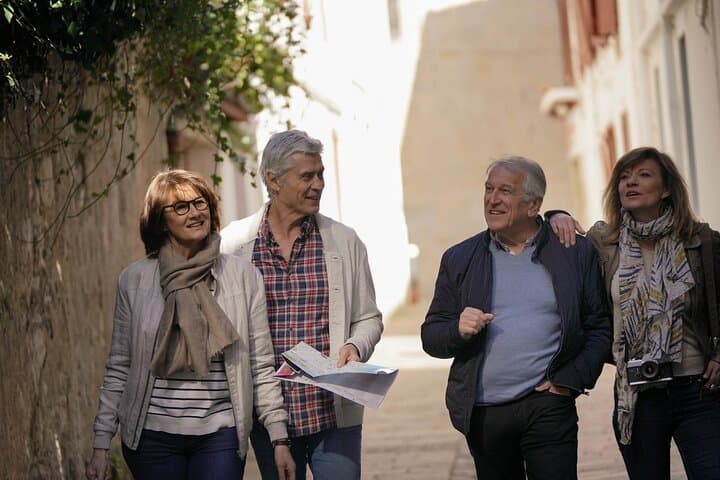
Practical guidance: wear closed-toe shoes for uneven ruins, bring sun protection and a reusable water bottle, and expect an 8-hour round-trip with multiple brief walks. Photography stops are frequent but watch footing on coastal rocks. For a private day tour, confirm pickup location and any mobility needs in advance.
easy.
8 hours.
Suitable for travelers with basic mobility who can manage several short walks and stairs; not strenuous.
The itinerary is approximately 8 hours (480 minutes) with hotel pickup and drop-off within the Paphos area.
Admissions to specific archaeological sites are typically not included—confirm with the operator beforehand.
Yes; the tour is rated physically easy but involves walking on uneven ground and steps—notify the guide of mobility concerns.
This is a private tour, so stops and timing can usually be adjusted; confirm any changes at booking or with your guide on the day.
The Paphos area has been inhabited since the Bronze Age and later flourished under Roman and Byzantine rule—its mosaics and ruins reflect layered Mediterranean trade and religion.
Visitors should stick to marked paths at archaeological sites and avoid removing artifacts; coastal areas also benefit from minimizing single-use plastics to protect marine life.
Opatrip.com Cyprus operates guided outdoor trips and adventures with an emphasis on safety, stewardship, and memorable experiences.

You step into limestone light as the van eases away from Paphos harbor, the sea hunching against the shoreline like a patient animal. The day unfolds across low ridgelines and a coastline that has held empires—each stop a chapter you can see and touch.
You step into limestone light as the van eases away from Paphos harbor, the sea hunching against the shoreline like a patient animal. The day unfolds across low ridgelines and a coastline that has held empires—each stop a chapter you can see and touch.
Ancient Kourion opens first: a Roman theatre carved into a promontory where stone rows slope toward the sea and mosaics still keep the names of long-gone households. Kolossi Castle follows, its compact keep and curtain walls speaking to Crusader-era military logic and medieval sugar production. In Limassol, the city’s harbor and promenade reveal modern Cyprus — cafés, maritime motion, and a populace comfortable with both the old and the new. The final pause at Petra tou Romiou (Aphrodite’s Rock) gives a dramatic coastal view; the shoreline’s geology—wave-cut platforms and stacked limestone—frames a place long woven into myth.
History here ranges from Bronze Age settlements through Roman urban life and medieval fortifications; geology is simple but decisive: limestones and marls eroded into headlands and sheltered bays. Local guides often thread cultural notes about Cypriot hospitality, wine traditions around Kolossi, and the island’s layered rule by Greeks, Romans, Byzantines and Crusaders.
Practical guidance: wear closed-toe shoes for uneven ruins, bring sun protection and a reusable water bottle, and expect an 8-hour round-trip with multiple brief walks. Photography stops are frequent but watch footing on coastal rocks. For a private day tour, confirm pickup location and any mobility needs in advance.