THE ADVENTURE COLLECTIVE® · Independent discovery and booking for outdoor travel

A private day trip from Izmir that pairs Pamukkale’s surreal white travertine terraces with the ruins of Hierapolis. Expect a 9‑hour round trip: guided visits, a free hour to explore, and practical rules to protect the site.
A private day trip from Izmir that pairs Pamukkale’s surreal white travertine terraces with the ruins of Hierapolis. Expect a 9‑hour round trip: guided visits, a free hour to explore, and practical rules to protect the site.
The car rolls out of Izmir before dawn and the Aegean light thins into the wide plains toward Denizli. After three hours on a quiet highway the landscape changes: limestone plateaus give way to white, scalloped terraces that look like frozen waterfalls. The terraces reach up like a pale stairway; mineral-rich water threads across them, daring you to follow its slow push.
Verified experiences and guided adventures in the surrounding area.
Operated by taxiGo Limo Airport Service · Pamukkale, Denizli Province
The car rolls out of Izmir before dawn and the Aegean light thins into the wide plains toward Denizli. After three hours on a quiet highway the landscape changes: limestone plateaus give way to white, scalloped terraces that look like frozen waterfalls. The terraces reach up like a pale stairway; mineral-rich water threads across them, daring you to follow its slow push.
This site pairs dramatic geology with human history. Pamukkale’s travertine terraces are formed by calcium carbonate deposits from thermal springs; above them lie the ruins of Hierapolis, a Greco-Roman spa city founded in the 2nd century BCE. Visitors walk among theater ruins, a necropolis, and a museum that holds artifacts from the baths—reminders that people came here for healing long before modern tourism.
Local culture still orbits the springs: small cafes sell çay and gözleme near the entrance, and the nearby village of Karahayıt offers iron-red hot springs for a quieter soak. Conservation rules protect fragile calcium formations—expect barefoot-only zones and restricted access on some terraces.
Practical guidance: this private day trip is paced for easy moving—plan for about nine hours including drive time, a guided tour, and one hour of free exploration. Wear shoes that are easy to remove, bring sun protection, and carry water. If you want to bathe, budget extra for the Antique (Cleopatra) Pool entrance. Arrive early to avoid mid-day crowds and the hottest hours; late afternoon light is best for photography and softer underfoot temperatures.
easy.
9 hours.
Light activity: mostly standing and short walks over uneven surfaces; suitable for most fitness levels.
The private transfer takes about 3 hours each way depending on traffic, so expect roughly 6 hours of driving total on this full-day excursion.
This tour typically includes guide services and transport but check the booking for ticket inclusion—some tours require separate ticket purchase for the Cleopatra Pool or museum.
Yes, in designated areas you may walk barefoot; certain sections are closed to protect formations, so follow signage and your guide’s directions.
Yes. The tour is rated easy with short walks, but uneven stone and steps can be challenging—bring mobility aids or request assistance if needed.
Hierapolis was established in the Hellenistic period and flourished as a Roman spa city; the combination of natural springs and urban ruins earned the area UNESCO status.
Management limits foot traffic on travertines and enforces barefoot zones to reduce erosion; visitors should avoid soaps, lotions, and climbing on formations to preserve the site.
taxiGo Limo Airport Service operates guided outdoor trips and adventures with an emphasis on safety, stewardship, and memorable experiences.


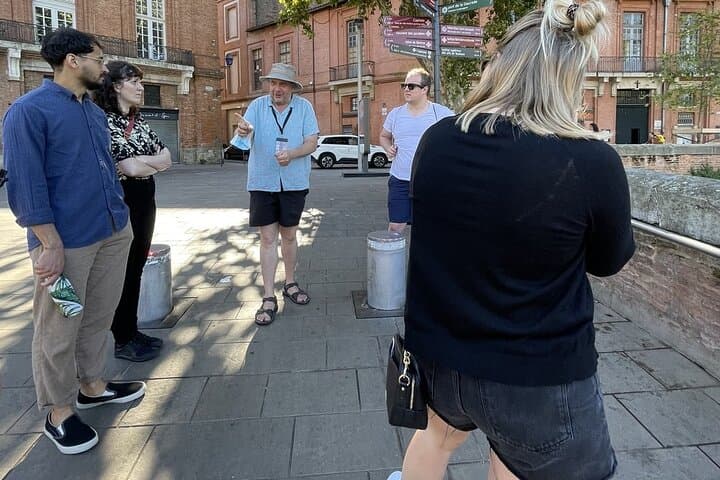

The car rolls out of Izmir before dawn and the Aegean light thins into the wide plains toward Denizli. After three hours on a quiet highway the landscape changes: limestone plateaus give way to white, scalloped terraces that look like frozen waterfalls. The terraces reach up like a pale stairway; mineral-rich water threads across them, daring you to follow its slow push.
The car rolls out of Izmir before dawn and the Aegean light thins into the wide plains toward Denizli. After three hours on a quiet highway the landscape changes: limestone plateaus give way to white, scalloped terraces that look like frozen waterfalls. The terraces reach up like a pale stairway; mineral-rich water threads across them, daring you to follow its slow push.
This site pairs dramatic geology with human history. Pamukkale’s travertine terraces are formed by calcium carbonate deposits from thermal springs; above them lie the ruins of Hierapolis, a Greco-Roman spa city founded in the 2nd century BCE. Visitors walk among theater ruins, a necropolis, and a museum that holds artifacts from the baths—reminders that people came here for healing long before modern tourism.
Local culture still orbits the springs: small cafes sell çay and gözleme near the entrance, and the nearby village of Karahayıt offers iron-red hot springs for a quieter soak. Conservation rules protect fragile calcium formations—expect barefoot-only zones and restricted access on some terraces.
Practical guidance: this private day trip is paced for easy moving—plan for about nine hours including drive time, a guided tour, and one hour of free exploration. Wear shoes that are easy to remove, bring sun protection, and carry water. If you want to bathe, budget extra for the Antique (Cleopatra) Pool entrance. Arrive early to avoid mid-day crowds and the hottest hours; late afternoon light is best for photography and softer underfoot temperatures.