THE ADVENTURE COLLECTIVE® · Independent discovery and booking for outdoor travel

Escape Marrakech for a day and follow the El Abid river to Ouzoud Falls: an 8-hour private tour that mixes short hikes, boat approaches to the cascades, and village culture among olive groves. Practical tips on when to go, what to wear, and where to photograph the best views.
Escape Marrakech for a day and follow the El Abid river to Ouzoud Falls: an 8-hour private tour that mixes short hikes, boat approaches to the cascades, and village culture among olive groves. Practical tips on when to go, what to wear, and where to photograph the best views.
You arrive before the falls decide to announce themselves: a fine mist on your face, a distant thunder that grows into a steady drum. The road from Marrakech unspools through low Atlas foothills—olive groves give way to terraced orchards and the occasional cluster of flat-roofed houses—until the gorge tightens and the El Abid river begins to hurry. At the viewing ledges, Ouzoud’s cascades reveal a stage of water and stone; sheets of water break into the plunge pools below, birds wheel through the spray and local fishermen pilot flat wooden boats that flirt with the curtain of water.
Verified experiences and guided adventures in the surrounding area.
Operated by Argania Travel · Tanaghmeilt, Béni Mellal-Khénifra
You arrive before the falls decide to announce themselves: a fine mist on your face, a distant thunder that grows into a steady drum. The road from Marrakech unspools through low Atlas foothills—olive groves give way to terraced orchards and the occasional cluster of flat-roofed houses—until the gorge tightens and the El Abid river begins to hurry. At the viewing ledges, Ouzoud’s cascades reveal a stage of water and stone; sheets of water break into the plunge pools below, birds wheel through the spray and local fishermen pilot flat wooden boats that flirt with the curtain of water.
Geologically the falls cut through folded layers of sandstone and limestone carved by the river over thousands of years, producing the steep gorges and stepped drops that visitors come to see. Culturally, the surrounding villages are predominantly Amazigh (Berber): small mills ground olives for centuries and you’ll still find families harvesting, drying, and pressing fruit along the valley. The name Ouzoud is sometimes linked to local words for “olive,” an apt reminder of how human and natural economies intertwine here.
A private, full-day trip from Marrakech transforms a long drive into a day of varied terrain: expect scenic highway and mountain passes, then a choice of paths once you reach the Tanaghmeilt area. Trails range from paved viewpoints suited to casual walkers to rougher tracks that descend 100–200 meters to the river’s edge. Adventurous visitors can swim in crystalline pools when conditions are safe; the water is frequently cold and the current playful, daring you to respect it.
Practicalities matter: the tour is typically eight hours door-to-door with hotel pickup in Marrakech and transport in an air-conditioned van or 4x4. Wear sturdy shoes—the route down to the base includes uneven steps and slippery rock. Bring sun protection, a refillable water bottle, and cash; local stalls sell tagines, mint tea, and snacks but credit cards aren’t guaranteed. If you plan to swim, bring a towel and a quick-dry change; if you prefer to stay dry, the upper ledges offer sweeping panoramic photos with minimal exertion.
Locals operate small boats and offer guided loops; negotiate prices respectfully and tip guides who help you navigate narrow trails. To avoid crowds, aim for an early pickup from Marrakech or late afternoon when light softens and tour buses thin out. Finally, leave no trace: the gorge is fragile, and protecting the olive groves and mule paths means keeping waste out of the river and supporting local vendors who work sustainably. In eight hours you’ll go from the dizzying markets of Marrakech to the steady rush of Ouzoud—an easy-to-reach window into Morocco’s mountainous heart.
easy.
8 hours.
Basic fitness for walking down and up uneven steps; not strenuous but requires steady footing for 30–60 minutes.
Expect about 2.5–3 hours each way depending on traffic and road conditions—roundtrip travel is included in the 8-hour tour.
Yes, there are pools at the base where swimming is common, but water is cold and currents can be strong—only enter where locals or guides indicate it’s safe.
Small cafés and family-run restaurants near the viewpoints and village serve tagine, salads and mint tea—carry cash, as card acceptance is limited.
The operator indicates stroller access in some parts and infant seats in vehicles, but the descent to the river has many steps and may be difficult with small children.
Yes—transport, hotel pickup and drop-off, and a driver/guide are included in the private excursion's standard package.
Tipping is customary; a small tip (10–50 MAD) for boat operators or local guides is appreciated and helps support village economies.
The valley around Ouzoud has long been settled by Amazigh (Berber) communities who worked olive groves and ran watermills fed by the El Abid river.
Bring out what you bring in—local groups are working to reduce litter and protect olive terraces; hiring local guides supports sustainable management.
Argania Travel operates guided outdoor trips and adventures with an emphasis on safety, stewardship, and memorable experiences.
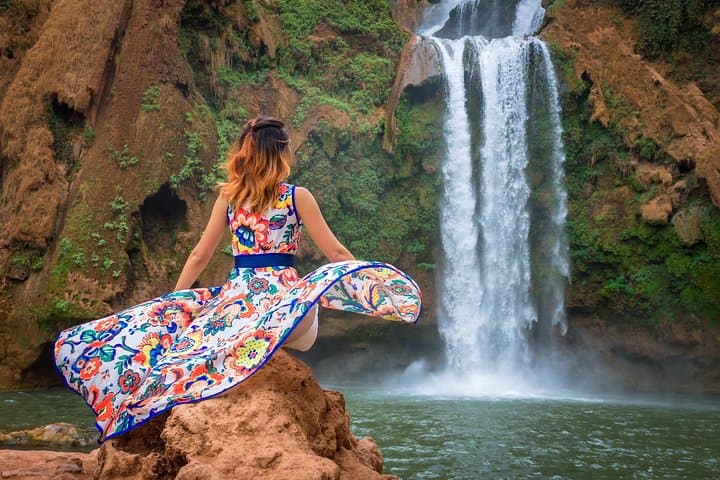
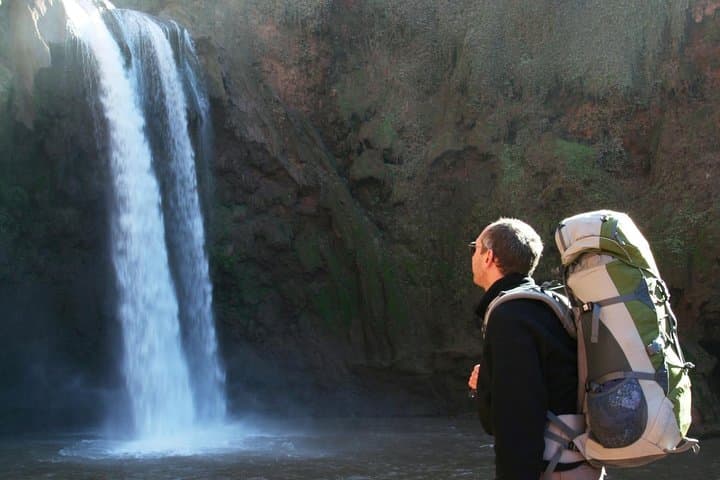
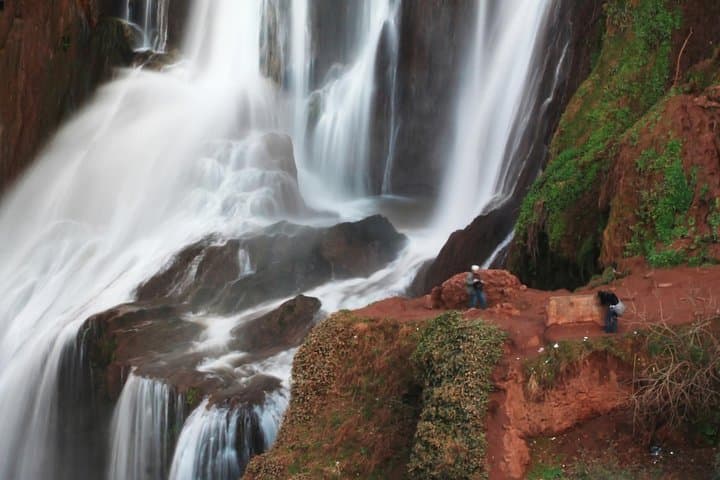
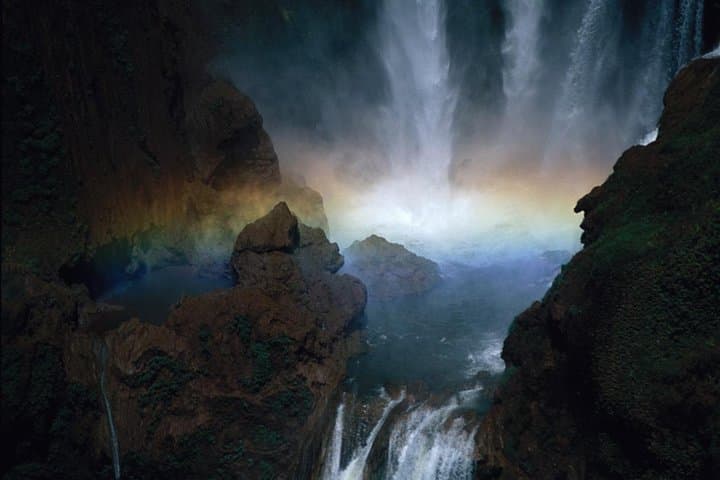
You arrive before the falls decide to announce themselves: a fine mist on your face, a distant thunder that grows into a steady drum. The road from Marrakech unspools through low Atlas foothills—olive groves give way to terraced orchards and the occasional cluster of flat-roofed houses—until the gorge tightens and the El Abid river begins to hurry. At the viewing ledges, Ouzoud’s cascades reveal a stage of water and stone; sheets of water break into the plunge pools below, birds wheel through the spray and local fishermen pilot flat wooden boats that flirt with the curtain of water.
You arrive before the falls decide to announce themselves: a fine mist on your face, a distant thunder that grows into a steady drum. The road from Marrakech unspools through low Atlas foothills—olive groves give way to terraced orchards and the occasional cluster of flat-roofed houses—until the gorge tightens and the El Abid river begins to hurry. At the viewing ledges, Ouzoud’s cascades reveal a stage of water and stone; sheets of water break into the plunge pools below, birds wheel through the spray and local fishermen pilot flat wooden boats that flirt with the curtain of water.
Geologically the falls cut through folded layers of sandstone and limestone carved by the river over thousands of years, producing the steep gorges and stepped drops that visitors come to see. Culturally, the surrounding villages are predominantly Amazigh (Berber): small mills ground olives for centuries and you’ll still find families harvesting, drying, and pressing fruit along the valley. The name Ouzoud is sometimes linked to local words for “olive,” an apt reminder of how human and natural economies intertwine here.
A private, full-day trip from Marrakech transforms a long drive into a day of varied terrain: expect scenic highway and mountain passes, then a choice of paths once you reach the Tanaghmeilt area. Trails range from paved viewpoints suited to casual walkers to rougher tracks that descend 100–200 meters to the river’s edge. Adventurous visitors can swim in crystalline pools when conditions are safe; the water is frequently cold and the current playful, daring you to respect it.
Practicalities matter: the tour is typically eight hours door-to-door with hotel pickup in Marrakech and transport in an air-conditioned van or 4x4. Wear sturdy shoes—the route down to the base includes uneven steps and slippery rock. Bring sun protection, a refillable water bottle, and cash; local stalls sell tagines, mint tea, and snacks but credit cards aren’t guaranteed. If you plan to swim, bring a towel and a quick-dry change; if you prefer to stay dry, the upper ledges offer sweeping panoramic photos with minimal exertion.
Locals operate small boats and offer guided loops; negotiate prices respectfully and tip guides who help you navigate narrow trails. To avoid crowds, aim for an early pickup from Marrakech or late afternoon when light softens and tour buses thin out. Finally, leave no trace: the gorge is fragile, and protecting the olive groves and mule paths means keeping waste out of the river and supporting local vendors who work sustainably. In eight hours you’ll go from the dizzying markets of Marrakech to the steady rush of Ouzoud—an easy-to-reach window into Morocco’s mountainous heart.