THE ADVENTURE COLLECTIVE® · Independent discovery and booking for outdoor travel

A private full-day from New York City to the U.S. side of Niagara Falls lets you trade driving for viewpoints, mist, and history. This one-day itinerary covers top observation decks and island viewpoints with time to explore the state park on your own.
A private full-day from New York City to the U.S. side of Niagara Falls lets you trade driving for viewpoints, mist, and history. This one-day itinerary covers top observation decks and island viewpoints with time to explore the state park on your own.
You step out of an air-conditioned van onto a stone promenade and the falls announce themselves: a thunder of water and spray that dares you closer. On the U.S. side the Niagara River splits and tumbles — American Falls, Bridal Veil, and the distant crescent of Horseshoe — each with its own voice. Goat Island and Luna Island frame viewpoints; the observation tower juts out so you can feel the mist push forward.
Verified experiences and guided adventures in the surrounding area.
Operated by BARBIL TOURS · Niagara Falls, New York
You step out of an air-conditioned van onto a stone promenade and the falls announce themselves: a thunder of water and spray that dares you closer. On the U.S. side the Niagara River splits and tumbles — American Falls, Bridal Veil, and the distant crescent of Horseshoe — each with its own voice. Goat Island and Luna Island frame viewpoints; the observation tower juts out so you can feel the mist push forward.
The park’s human story stretches from Indigenous use of the rapids to 19th-century preservation. Niagara Falls State Park, established in 1885, is one of America’s oldest state parks and was shaped by early conservationists who argued for public access over industrial development. Geologically, the falls trace a retreating cap of hard dolomite over softer shale; erosion continues to sculpt the gorge you’ll see from the rim.
Culturally, the site blends souvenir kiosks, historic observation points, and modern interpretive signs. Local insights include quieter vantage points on Goat Island and the unexpectedly photogenic walkways beside the rapids. The experience is accessible — paved paths, short stair sections, and designated observation decks — but sensory and physical: mist, noise, and slippery stones near railings.
Practical guidance: expect a very long day from New York City (roughly 7–8 hours each way by road), bring layered waterproof clothing, sturdy shoes, and a charged camera. Plan for independent lunch time and allow 3–4 hours on site for walking and viewpoints. If you want the Maid of the Mist or Cave of the Winds, check seasonal operations in advance. This private tour removes the navigation stress so you can focus on the falls themselves — up close, loud, and elemental.
easy.
17–19 hours.
Suitable for travelers who can handle long vehicle travel plus several hours of walking on paved paths and short stair sections.
No — this itinerary stays on the U.S. side of Niagara Falls, so a passport is not required.
Expect about 7–8 hours each way depending on traffic and rest stops; the full day is typically 17–19 hours total.
Not usually — check the tour inclusions; seasonal attractions may require separate tickets or have limited operation months.
Many main walkways and observation decks are accessible, but some points and island crossings have stairs; check specific mobility needs with the operator when booking.
Niagara Falls State Park was created in 1885 and shaped by early conservation efforts to preserve public access to the falls.
Stay on marked paths, don’t feed wildlife, and minimize single-use plastics to reduce visitor impact on the park’s fragile riverside environment.
BARBIL TOURS operates guided outdoor trips and adventures with an emphasis on safety, stewardship, and memorable experiences.
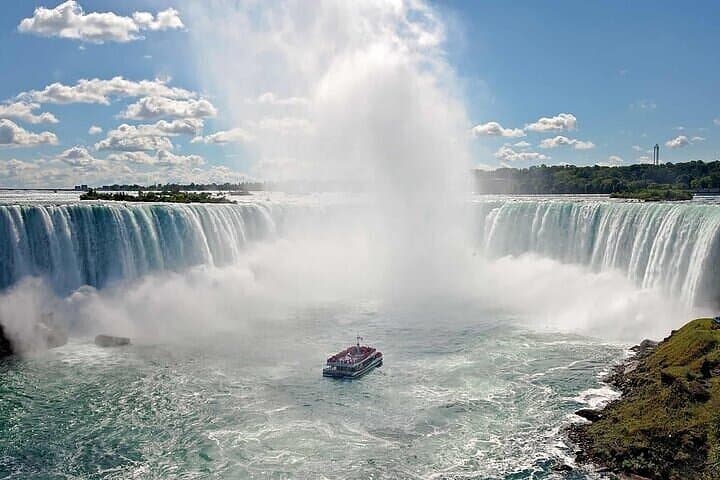
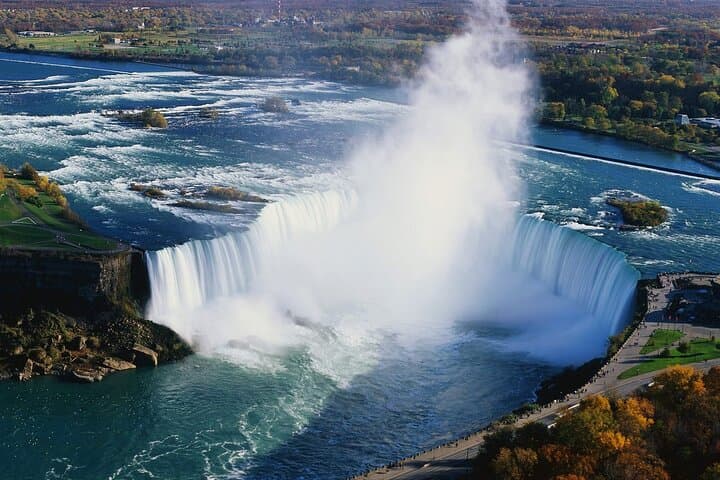
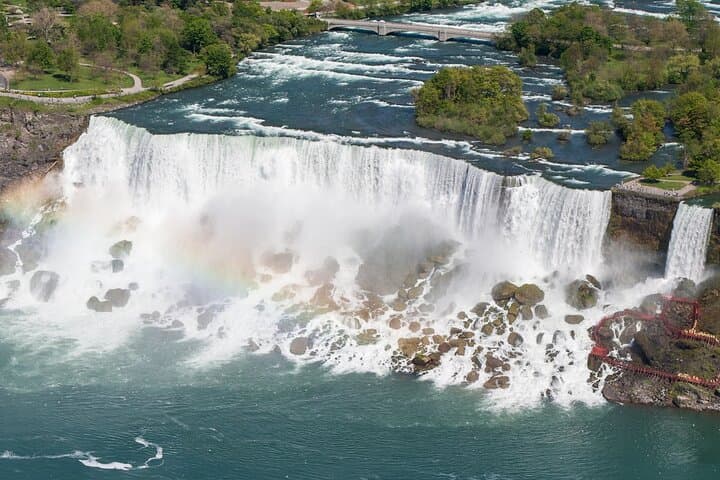
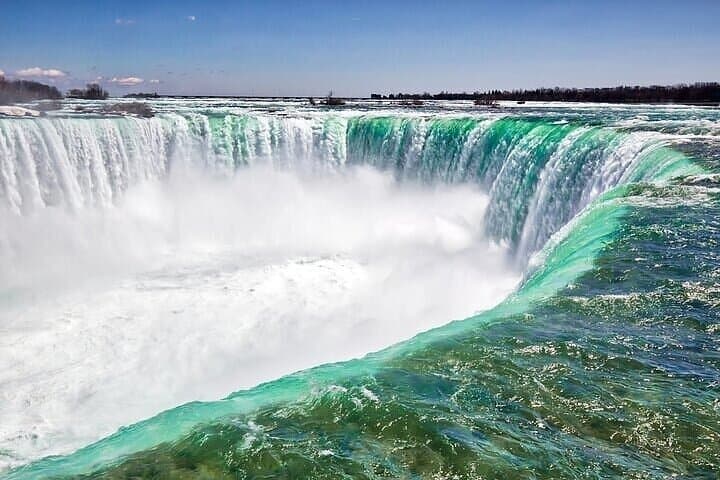
You step out of an air-conditioned van onto a stone promenade and the falls announce themselves: a thunder of water and spray that dares you closer. On the U.S. side the Niagara River splits and tumbles — American Falls, Bridal Veil, and the distant crescent of Horseshoe — each with its own voice. Goat Island and Luna Island frame viewpoints; the observation tower juts out so you can feel the mist push forward.
You step out of an air-conditioned van onto a stone promenade and the falls announce themselves: a thunder of water and spray that dares you closer. On the U.S. side the Niagara River splits and tumbles — American Falls, Bridal Veil, and the distant crescent of Horseshoe — each with its own voice. Goat Island and Luna Island frame viewpoints; the observation tower juts out so you can feel the mist push forward.
The park’s human story stretches from Indigenous use of the rapids to 19th-century preservation. Niagara Falls State Park, established in 1885, is one of America’s oldest state parks and was shaped by early conservationists who argued for public access over industrial development. Geologically, the falls trace a retreating cap of hard dolomite over softer shale; erosion continues to sculpt the gorge you’ll see from the rim.
Culturally, the site blends souvenir kiosks, historic observation points, and modern interpretive signs. Local insights include quieter vantage points on Goat Island and the unexpectedly photogenic walkways beside the rapids. The experience is accessible — paved paths, short stair sections, and designated observation decks — but sensory and physical: mist, noise, and slippery stones near railings.
Practical guidance: expect a very long day from New York City (roughly 7–8 hours each way by road), bring layered waterproof clothing, sturdy shoes, and a charged camera. Plan for independent lunch time and allow 3–4 hours on site for walking and viewpoints. If you want the Maid of the Mist or Cave of the Winds, check seasonal operations in advance. This private tour removes the navigation stress so you can focus on the falls themselves — up close, loud, and elemental.