THE ADVENTURE COLLECTIVE® · Independent discovery and booking for outdoor travel

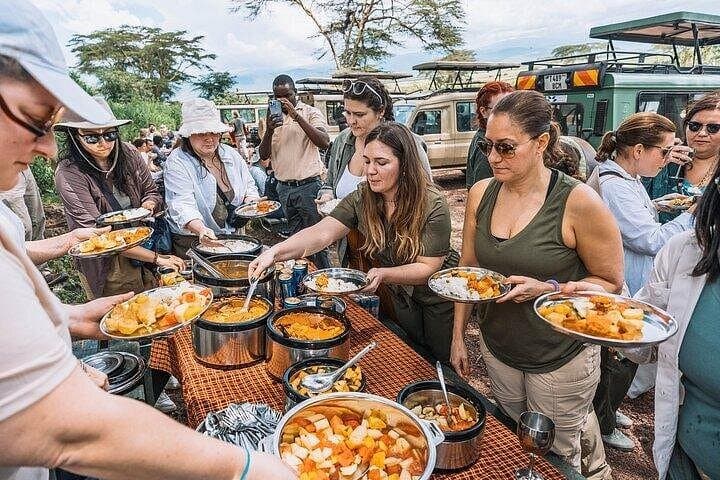
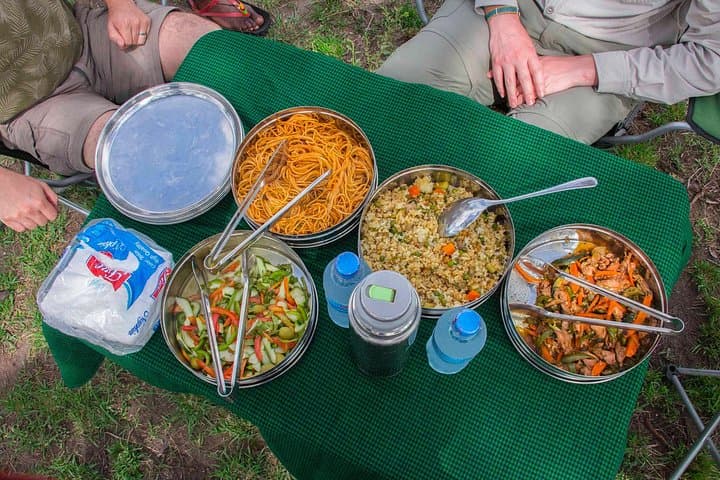
Spend a full day inside Ngorongoro Crater with a private guide and 4x4—an efficient, high‑chance way to see the Big Five plus flamingos and hippos in one compact, dramatic landscape. Early pickup from Arusha, picnic lunch by the hippo pool, and included park entry make this a seamless day-safari.
Spend a full day inside Ngorongoro Crater with a private guide and 4x4—an efficient, high‑chance way to see the Big Five plus flamingos and hippos in one compact, dramatic landscape. Early pickup from Arusha, picnic lunch by the hippo pool, and included park entry make this a seamless day-safari.
You step out of the 4x4 as the sun lifts itself over the crater rim, and the floor below exhales: flattened grass, a scatter of acacia, and pockets of water that glitter like small mirrors. The vehicle's pop-up roof gives a steady, bird’s-eye vantage while hippos gnash at the edge of a shallow pool and zebra herds move with patient intention across open plains.
Verified experiences and guided adventures in the surrounding area.
Operated by Swahili Safari Escape · Karatu, Arusha Region
You step out of the 4x4 as the sun lifts itself over the crater rim, and the floor below exhales: flattened grass, a scatter of acacia, and pockets of water that glitter like small mirrors. The vehicle's pop-up roof gives a steady, bird’s-eye vantage while hippos gnash at the edge of a shallow pool and zebra herds move with patient intention across open plains.
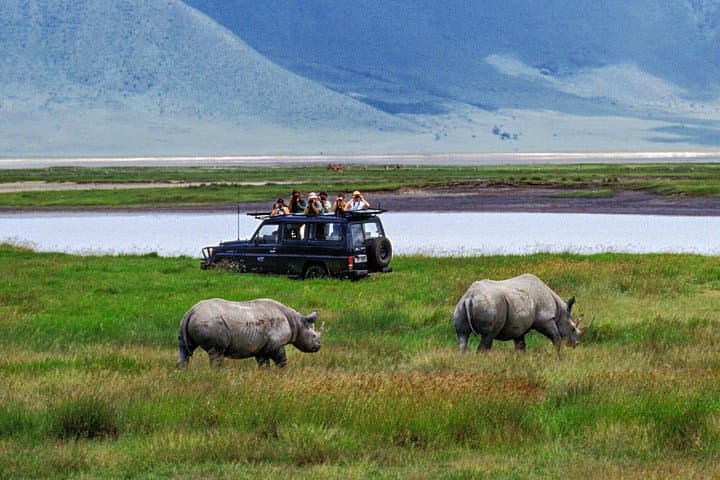
Ngorongoro is a collapsed caldera, roughly 19 km across and about 600 m deep, with a floor sitting around 1,800–2,000 m above sea level and a rim near 2,200–2,400 m. A UNESCO-listed conservation area, it has hosted Maasai pastoralists for generations and preserves a rare enclosed ecosystem that concentrates wildlife—from resident lions and rhinos to flamingo-studded soda lakes.
Geology here reads like a long story of volcanic force: an ancient volcano that failed to recover, leaving a natural amphitheater where grassland, forests, and lakes negotiate space. Culturally, Maasai cattle enclosures and seasonal grazing patterns are visible on the crater rim, offering a human counterpoint to the wildlife below.
Practical guidance: expect a long, 10-hour day beginning with an early Arusha pickup. Temperatures can shift quickly—cool at the rim, warmer on the floor—so dress in layers. Bring binoculars and a camera with a mid-range zoom, stay hydrated, and listen to your guide; their knowledge makes sightings more likely. Bathrooms are available inside the crater and a picnic lunch often comes at the hippo pool. The terrain is primarily dirt tracks and open savanna—game drives do the walking for you. With a private guide and transport, this day is designed for concentrated wildlife viewing and is an efficient way to experience Tanzania’s most famous crater.
easy.
10 hours.
Suitable for most travelers; requires sitting for long periods and short on-foot stretches.
Expect about 3–4 hours each way depending on traffic and stops; the tour schedules an early pickup to maximize time in the crater.
Ngorongoro has dense wildlife and high chances of seeing the Big Five, but sightings can’t be guaranteed—private guides increase opportunities through experience and local knowledge.
Yes—there are restroom facilities inside the crater and at the picnic site near the hippo pool; your guide will plan stops as needed.
The tour is rated easy and family-friendly, but not recommended for those with serious spinal or cardiovascular issues; check provider age and health policies for alcohol service.
Ngorongoro Conservation Area was established in 1959 and combines wildlife conservation with Maasai pastoral lands, allowing traditional grazing alongside protected ecosystems.
The area balances tourism and pastoralism through strict visitor limits and park fees that fund conservation; visitors are asked to follow guide instructions to minimize disturbance.
Swahili Safari Escape operates guided outdoor trips and adventures with an emphasis on safety, stewardship, and memorable experiences.
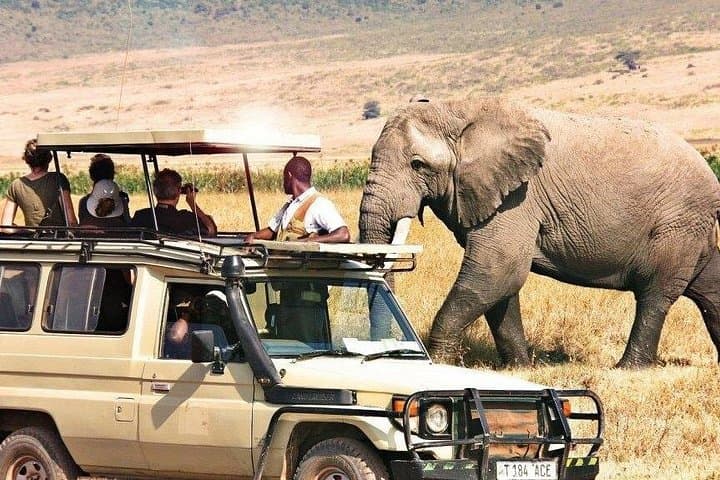
You step out of the 4x4 as the sun lifts itself over the crater rim, and the floor below exhales: flattened grass, a scatter of acacia, and pockets of water that glitter like small mirrors. The vehicle's pop-up roof gives a steady, bird’s-eye vantage while hippos gnash at the edge of a shallow pool and zebra herds move with patient intention across open plains.
You step out of the 4x4 as the sun lifts itself over the crater rim, and the floor below exhales: flattened grass, a scatter of acacia, and pockets of water that glitter like small mirrors. The vehicle's pop-up roof gives a steady, bird’s-eye vantage while hippos gnash at the edge of a shallow pool and zebra herds move with patient intention across open plains.
Ngorongoro is a collapsed caldera, roughly 19 km across and about 600 m deep, with a floor sitting around 1,800–2,000 m above sea level and a rim near 2,200–2,400 m. A UNESCO-listed conservation area, it has hosted Maasai pastoralists for generations and preserves a rare enclosed ecosystem that concentrates wildlife—from resident lions and rhinos to flamingo-studded soda lakes.
Geology here reads like a long story of volcanic force: an ancient volcano that failed to recover, leaving a natural amphitheater where grassland, forests, and lakes negotiate space. Culturally, Maasai cattle enclosures and seasonal grazing patterns are visible on the crater rim, offering a human counterpoint to the wildlife below.
Practical guidance: expect a long, 10-hour day beginning with an early Arusha pickup. Temperatures can shift quickly—cool at the rim, warmer on the floor—so dress in layers. Bring binoculars and a camera with a mid-range zoom, stay hydrated, and listen to your guide; their knowledge makes sightings more likely. Bathrooms are available inside the crater and a picnic lunch often comes at the hippo pool. The terrain is primarily dirt tracks and open savanna—game drives do the walking for you. With a private guide and transport, this day is designed for concentrated wildlife viewing and is an efficient way to experience Tanzania’s most famous crater.