THE ADVENTURE COLLECTIVE® · Independent discovery and booking for outdoor travel

Spend a private 6–8 hour day traversing Napa Valley’s vineyards and tasting rooms. This VIP-style tour pairs curated winery visits with market-town lunch options—ideal for travelers wanting a flexible, comfortable wine-country experience.
Spend a private 6–8 hour day traversing Napa Valley’s vineyards and tasting rooms. This VIP-style tour pairs curated winery visits with market-town lunch options—ideal for travelers wanting a flexible, comfortable wine-country experience.
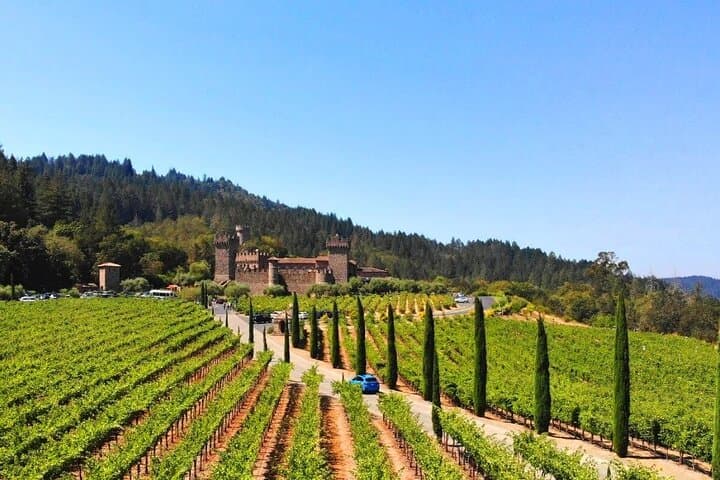
Morning light flattens the valley and rows of vines extend like ordered lines toward low, blue hills. A private vehicle eases onto Silverado Trail or Highway 29 and the drive from San Francisco—about an hour without traffic—becomes an invitation: two to three wineries, a lunch stop in a market town, and views through glass.
Verified experiences and guided adventures in the surrounding area.
Operated by Alcatraz Tours · Napa, California
Morning light flattens the valley and rows of vines extend like ordered lines toward low, blue hills. A private vehicle eases onto Silverado Trail or Highway 29 and the drive from San Francisco—about an hour without traffic—becomes an invitation: two to three wineries, a lunch stop in a market town, and views through glass.
Napa Valley’s story is stamped in the soil and on tasting-room shelves. The valley sits on riverine alluvium with pockets of volcanic and marine sediments; those differences help explain why Cabernet, Chardonnay and sparkling grapes express themselves so distinctly from site to site. The region transformed from farming to wine prominence after the mid-20th century, with modern architecture and château-style estates marking the landscape.
Culture here mixes artisan food, cellar-door technique, and an expectation of reservation. Towns such as Yountville and St. Helena offer small restaurants and tasting rooms; Napa’s Oxbow Public Market is a convenient lunch option. During harvest (late summer–fall) vineyard activity intensifies and guest experiences like grape stomping may be offered by select estates.
Practical guidance: expect a 6–8 hour private outing with light walking, some steps into cellar doors, and time in an air-conditioned vehicle. The operator provides bottled water, an AC vehicle and parking fees; confirm tasting fees and reservations in advance—many wineries require appointments and separate tasting charges. Plan footwear for gravel and cellar steps, carry a light layer for variable valley breezes, and budget time for traffic if starting from San Francisco. With planning, the day balances relaxed travel and curated winery stops for a straightforward, memorable wine-country experience.
easy.
6–8 hours.
Suitable for most fitness levels; involves short walks, standing during tastings, and occasional steps into cellars.
Confirm with the operator—some listings include two tastings, but many Napa wineries require separate tasting fees and advance reservations.
Typical private itineraries include two to three wineries, allowing time for tastings, a lunch break, and travel between sites.
Yes—pickup from San Francisco is commonly offered, adding roughly one hour of drive time to reach Napa Valley depending on traffic.
Infant seats are available and the tour is physically easy, but wineries may have age policies—check each estate in advance about minors.
Napa shifted from mixed agriculture to a world-class wine region in the 20th century; Prohibition and later post-war investment shaped the modern estate and tasting-room culture.
Vineyards and operators increasingly adopt sustainable practices—water management, cover crops and reduced-spray programs—so ask your host about estate-specific stewardship efforts.
Alcatraz Tours operates guided outdoor trips and adventures with an emphasis on safety, stewardship, and memorable experiences.
Morning light flattens the valley and rows of vines extend like ordered lines toward low, blue hills. A private vehicle eases onto Silverado Trail or Highway 29 and the drive from San Francisco—about an hour without traffic—becomes an invitation: two to three wineries, a lunch stop in a market town, and views through glass.
Morning light flattens the valley and rows of vines extend like ordered lines toward low, blue hills. A private vehicle eases onto Silverado Trail or Highway 29 and the drive from San Francisco—about an hour without traffic—becomes an invitation: two to three wineries, a lunch stop in a market town, and views through glass.
Napa Valley’s story is stamped in the soil and on tasting-room shelves. The valley sits on riverine alluvium with pockets of volcanic and marine sediments; those differences help explain why Cabernet, Chardonnay and sparkling grapes express themselves so distinctly from site to site. The region transformed from farming to wine prominence after the mid-20th century, with modern architecture and château-style estates marking the landscape.
Culture here mixes artisan food, cellar-door technique, and an expectation of reservation. Towns such as Yountville and St. Helena offer small restaurants and tasting rooms; Napa’s Oxbow Public Market is a convenient lunch option. During harvest (late summer–fall) vineyard activity intensifies and guest experiences like grape stomping may be offered by select estates.
Practical guidance: expect a 6–8 hour private outing with light walking, some steps into cellar doors, and time in an air-conditioned vehicle. The operator provides bottled water, an AC vehicle and parking fees; confirm tasting fees and reservations in advance—many wineries require appointments and separate tasting charges. Plan footwear for gravel and cellar steps, carry a light layer for variable valley breezes, and budget time for traffic if starting from San Francisco. With planning, the day balances relaxed travel and curated winery stops for a straightforward, memorable wine-country experience.