THE ADVENTURE COLLECTIVE® · Independent discovery and booking for outdoor travel

Explore Mumbai’s harbor gateway, colonial architecture and the UNESCO-listed Elephanta Caves on a private full-day tour. This itinerary pairs cultural depth with accessible outdoor walking and a scenic ferry across the Arabian Sea.
Explore Mumbai’s harbor gateway, colonial architecture and the UNESCO-listed Elephanta Caves on a private full-day tour. This itinerary pairs cultural depth with accessible outdoor walking and a scenic ferry across the Arabian Sea.
You step off the private ferry at Elephanta’s jetty and the island pulls you inland — ancient basalt rising from the Arabian Sea, a corridor of carved rock that asks for slow attention. The caves are immediate: shadowed chambers, massive reliefs of Shiva, and staircases hewn into volcanic stone that remind you this site was shaped by hands and time rather than machinery.
Verified experiences and guided adventures in the surrounding area.
Operated by Pacific Classic Tours India · Mumbai, Maharashtra
You step off the private ferry at Elephanta’s jetty and the island pulls you inland — ancient basalt rising from the Arabian Sea, a corridor of carved rock that asks for slow attention. The caves are immediate: shadowed chambers, massive reliefs of Shiva, and staircases hewn into volcanic stone that remind you this site was shaped by hands and time rather than machinery.
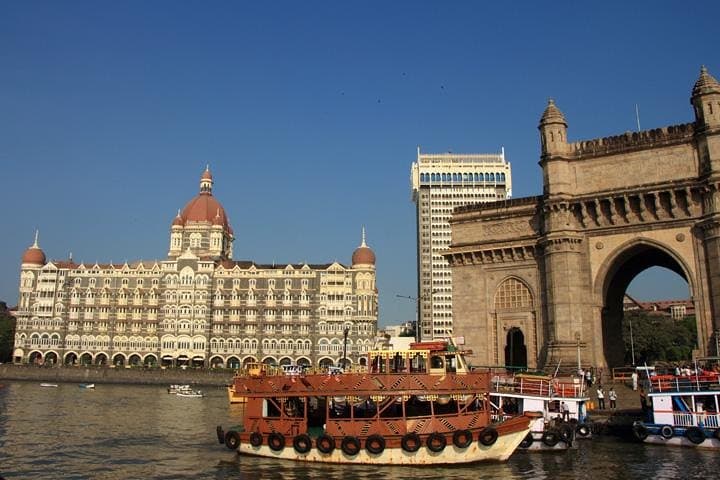
Mumbai itself unfolds in contrasts as the day progresses. The Gateway of India, an uncompromising basalt arch, marks the harbor where colonial history met ocean trade; nearby, Chhatrapati Shivaji Maharaj Terminus displays exuberant Victorian Gothic detailing and non-stop life. Crawford Market and the Prince of Wales Museum reveal the city’s mercantile and collecting past, while Dhobi Ghat and Marine Drive expose everyday Mumbai — public work, sea breeze, and the long evening light.
Geology here is simple and stark: Deccan basalt forms the island and much of Mumbai’s bedrock, giving the caves their sculptable face and the shoreline its black cliffs. Culturally, the itinerary threads Hindu temple art, colonial architecture and living urban markets.
Practical side: expect 9–10 hours on a private, air-conditioned vehicle with a round-trip ferry to Elephanta. Wear comfortable closed shoes for stairs, carry sun protection and a refillable water bottle, and budget time for Mumbai traffic. Ferry schedules are weather-dependent; bring a light layer for sea spray and an appetite for a midday pause at a local restaurant. The tour suits travelers wanting immersive cultural history with manageable outdoor walking — history and coastline that reward curiosity and sensible planning.
easy.
9–10 hours.
Suitable for most fitness levels; involves moderate walking and stair climbs at Elephanta Caves
The tour includes the round-trip ferry and transfer, but entrance fees for the Elephanta Caves are typically covered by the operator—confirm at booking.
Yes — private pickup and drop-off from hotels, the airport or cruise port are included; provide arrival/departure details at booking.
Expect several hours on foot with stair climbs on Elephanta and short walks around city sights; the tour is rated easy but requires mobility for stairs.
Yes — infants can be in strollers for parts of the day and children are welcome, though note the caves have many steps and uneven ground.
Elephanta Caves date from roughly the 5th–8th centuries and are renowned for large rock-cut sculptures of Shiva; the Gateway of India was completed in 1924 and became an iconic colonial-era harbor monument.
Visitors are asked not to touch sculptures and to carry out trash; island infrastructure and ferry traffic are managed to balance tourism with protection of fragile rock art.
Pacific Classic Tours India operates guided outdoor trips and adventures with an emphasis on safety, stewardship, and memorable experiences.
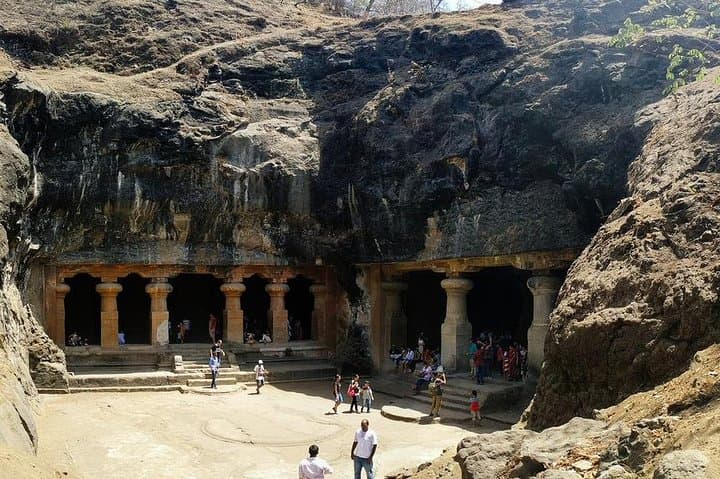
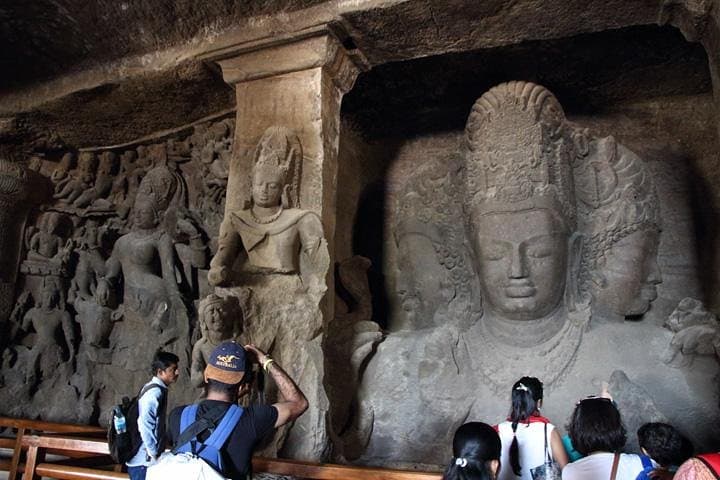
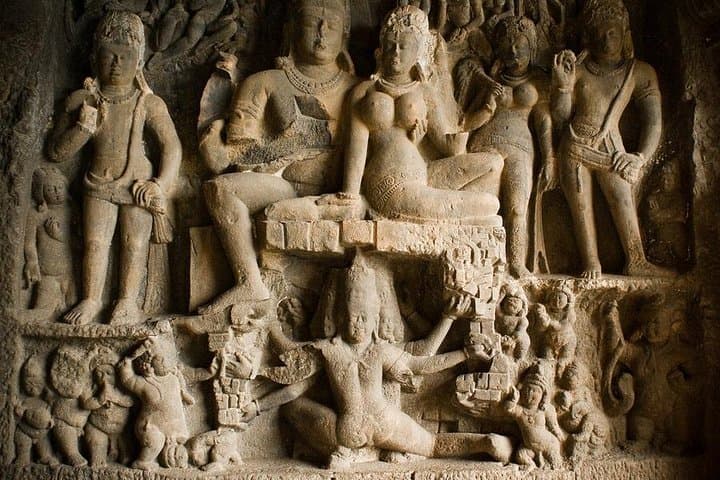
You step off the private ferry at Elephanta’s jetty and the island pulls you inland — ancient basalt rising from the Arabian Sea, a corridor of carved rock that asks for slow attention. The caves are immediate: shadowed chambers, massive reliefs of Shiva, and staircases hewn into volcanic stone that remind you this site was shaped by hands and time rather than machinery.
You step off the private ferry at Elephanta’s jetty and the island pulls you inland — ancient basalt rising from the Arabian Sea, a corridor of carved rock that asks for slow attention. The caves are immediate: shadowed chambers, massive reliefs of Shiva, and staircases hewn into volcanic stone that remind you this site was shaped by hands and time rather than machinery.
Mumbai itself unfolds in contrasts as the day progresses. The Gateway of India, an uncompromising basalt arch, marks the harbor where colonial history met ocean trade; nearby, Chhatrapati Shivaji Maharaj Terminus displays exuberant Victorian Gothic detailing and non-stop life. Crawford Market and the Prince of Wales Museum reveal the city’s mercantile and collecting past, while Dhobi Ghat and Marine Drive expose everyday Mumbai — public work, sea breeze, and the long evening light.
Geology here is simple and stark: Deccan basalt forms the island and much of Mumbai’s bedrock, giving the caves their sculptable face and the shoreline its black cliffs. Culturally, the itinerary threads Hindu temple art, colonial architecture and living urban markets.
Practical side: expect 9–10 hours on a private, air-conditioned vehicle with a round-trip ferry to Elephanta. Wear comfortable closed shoes for stairs, carry sun protection and a refillable water bottle, and budget time for Mumbai traffic. Ferry schedules are weather-dependent; bring a light layer for sea spray and an appetite for a midday pause at a local restaurant. The tour suits travelers wanting immersive cultural history with manageable outdoor walking — history and coastline that reward curiosity and sensible planning.