THE ADVENTURE COLLECTIVE® · Independent discovery and booking for outdoor travel

A private full-day journey to Meteora delivers towering sandstone pillars, cliff-top monasteries, and Byzantine art—plus local craft stalls in Kalambaka. This guide outlines what to expect, how to prepare, and where to linger for the best light and quiet.
A private full-day journey to Meteora delivers towering sandstone pillars, cliff-top monasteries, and Byzantine art—plus local craft stalls in Kalambaka. This guide outlines what to expect, how to prepare, and where to linger for the best light and quiet.
You step out of an air-conditioned vehicle into a wind that seems intent on testing every loose strap. Giant sandstone pillars rise from the valley, each vertical face carved by wind and ancient rivers, monasteries sitting like chapters perched on top. The light shifts quickly here; shadow can make a cliff look like a painted wall one minute and a living ridge the next.
Verified experiences and guided adventures in the surrounding area.
Operated by Trip Tailors · Kalambaka, Thessaly
You step out of an air-conditioned vehicle into a wind that seems intent on testing every loose strap. Giant sandstone pillars rise from the valley, each vertical face carved by wind and ancient rivers, monasteries sitting like chapters perched on top. The light shifts quickly here; shadow can make a cliff look like a painted wall one minute and a living ridge the next.
Meteora—literally "rocks suspended in the air"—is both a geological archive and a living monastic complex. Formed from river deposits and hardened over millions of years, these columns allowed hermit monks from the 11th century to retreat into near-impenetrable heights. Today six monasteries remain visitable, holding post-Byzantine frescoes, handwritten manuscripts, and simple handicrafts produced by resident communities.
Culturally the area blends Orthodox ritual with pastoral Thessalian life; markets in Kalambaka sell walnut honey and embroidered icons made locally. On this private full-day tour you’ll get two-hour stops at major monasteries, short historical pauses like Thermopylae viewpoint, and time for photo gaps and quiet observation.
Practical guidance: bring shoes with traction for cobbled paths and steep staircases, and a lightweight layer—wind and shade can cool quickly. Expect 10–12 hours total door-to-door; plan restroom breaks and modest dress for religious sites (shoulders and knees covered). Hydrate before tight stair sections and carry cash for small monastery donations and crafts. Travel slowly between viewpoints to let the light reveal the rock surfaces; Meteora rewards patience more than speed.
moderate.
10–12 hours.
Moderate fitness; able to climb multiple flights of uneven stone stairs and walk short steep sections
Most monastery admissions are not included on standard private tours; expect modest entry fees payable on site in cash.
Not recommended for those with limited stair-climbing ability—monasteries require steep steps and uneven paths.
Yes; the tour offers either Spanish or English speaking guide/driver as requested at booking.
Walking at each stop is short but often on uneven ground and stairs—plan for repeated brief climbs rather than long hikes.
Meteora’s monasteries grew from 11th-century hermitages; in the 14th–16th centuries monastic communities built fortified complexes atop the pillars to escape Ottoman raids.
Foot traffic and visitor parking strain fragile soils and local water; stick to marked paths, avoid littering, and support local conservation fees where offered.
Trip Tailors operates guided outdoor trips and adventures with an emphasis on safety, stewardship, and memorable experiences.
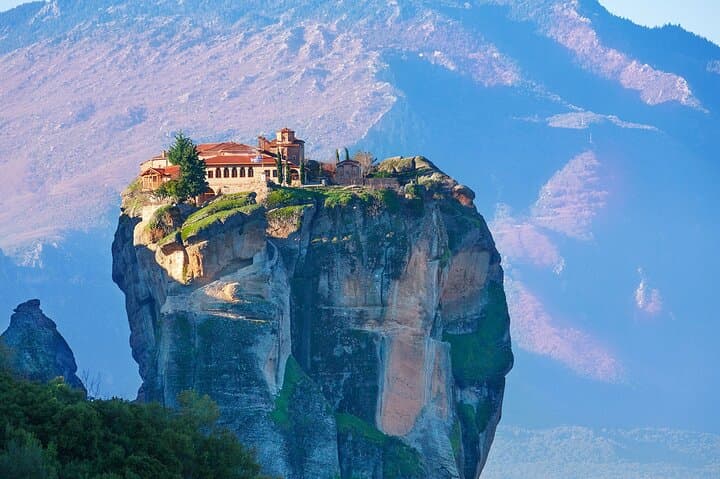
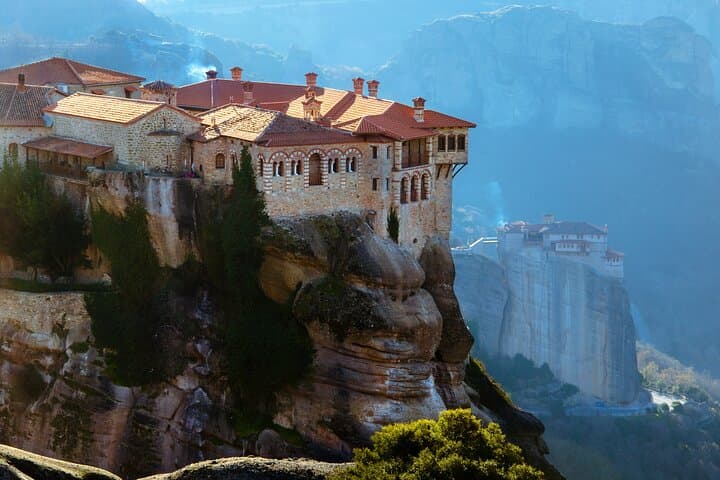
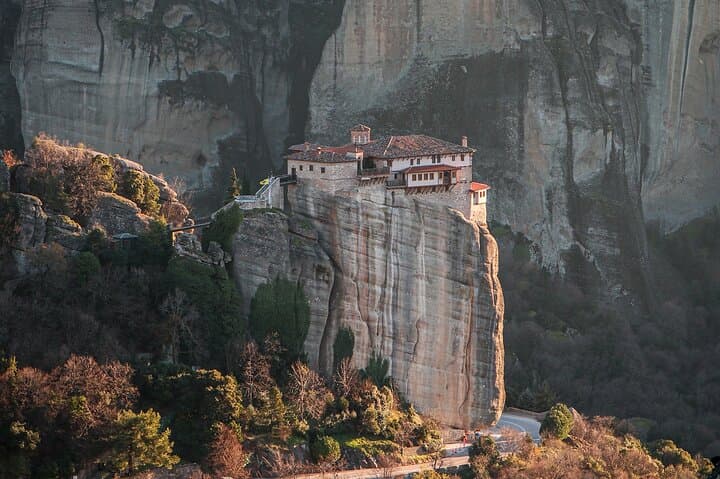
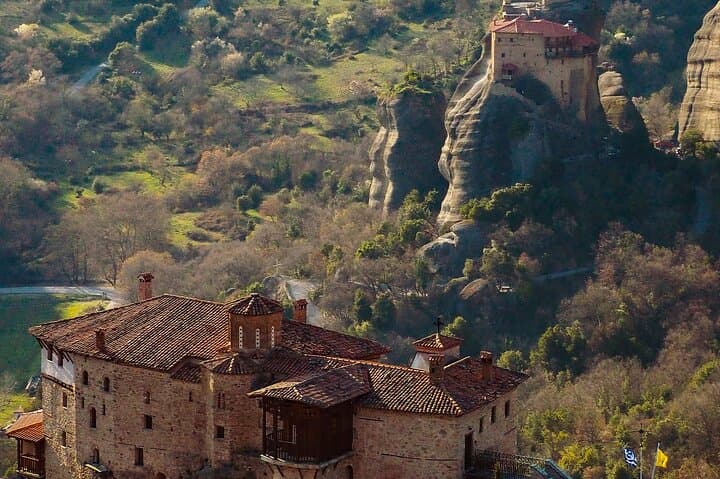
You step out of an air-conditioned vehicle into a wind that seems intent on testing every loose strap. Giant sandstone pillars rise from the valley, each vertical face carved by wind and ancient rivers, monasteries sitting like chapters perched on top. The light shifts quickly here; shadow can make a cliff look like a painted wall one minute and a living ridge the next.
You step out of an air-conditioned vehicle into a wind that seems intent on testing every loose strap. Giant sandstone pillars rise from the valley, each vertical face carved by wind and ancient rivers, monasteries sitting like chapters perched on top. The light shifts quickly here; shadow can make a cliff look like a painted wall one minute and a living ridge the next.
Meteora—literally "rocks suspended in the air"—is both a geological archive and a living monastic complex. Formed from river deposits and hardened over millions of years, these columns allowed hermit monks from the 11th century to retreat into near-impenetrable heights. Today six monasteries remain visitable, holding post-Byzantine frescoes, handwritten manuscripts, and simple handicrafts produced by resident communities.
Culturally the area blends Orthodox ritual with pastoral Thessalian life; markets in Kalambaka sell walnut honey and embroidered icons made locally. On this private full-day tour you’ll get two-hour stops at major monasteries, short historical pauses like Thermopylae viewpoint, and time for photo gaps and quiet observation.
Practical guidance: bring shoes with traction for cobbled paths and steep staircases, and a lightweight layer—wind and shade can cool quickly. Expect 10–12 hours total door-to-door; plan restroom breaks and modest dress for religious sites (shoulders and knees covered). Hydrate before tight stair sections and carry cash for small monastery donations and crafts. Travel slowly between viewpoints to let the light reveal the rock surfaces; Meteora rewards patience more than speed.