THE ADVENTURE COLLECTIVE® · Independent discovery and booking for outdoor travel

Spend a full day traveling from Thessaloniki to Meteora to see towering sandstone pillars and centuries-old cliffside monasteries. This private trip covers sightseeing, monastery visits, and a lunch stop in Kastraki with comfortable transportation and a local English-speaking guide.
Spend a full day traveling from Thessaloniki to Meteora to see towering sandstone pillars and centuries-old cliffside monasteries. This private trip covers sightseeing, monastery visits, and a lunch stop in Kastraki with comfortable transportation and a local English-speaking guide.
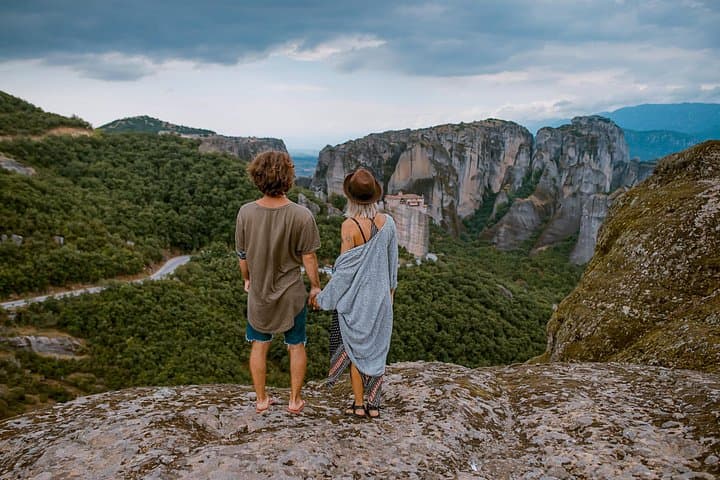
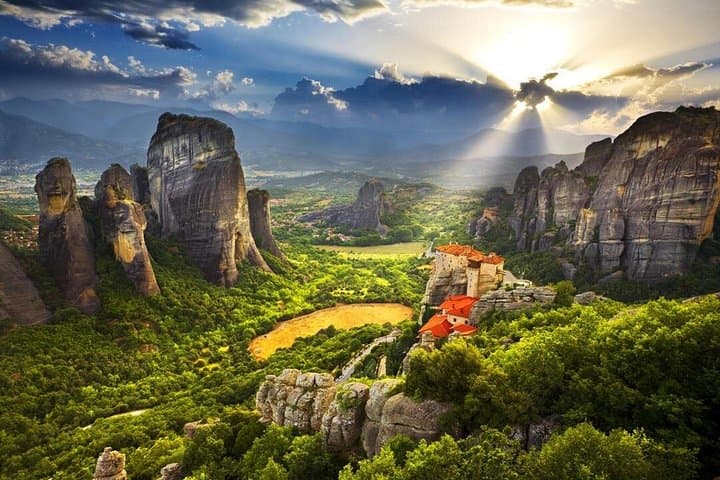
You step out of the minivan and the world tilts: vertical sandstone towers rise like fossilized waves, the wind threading through narrow ledges and daring you to look up.
Verified experiences and guided adventures in the surrounding area.
Operated by MyGreece · Kalambaka, Thessaly
You step out of the minivan and the world tilts: vertical sandstone towers rise like fossilized waves, the wind threading through narrow ledges and daring you to look up.
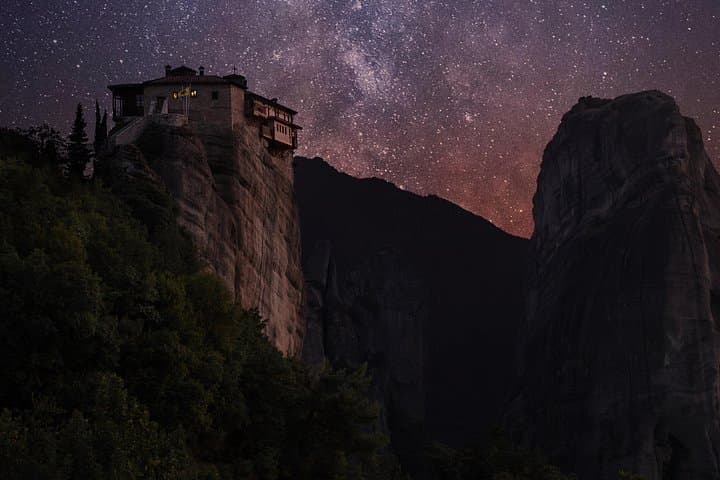
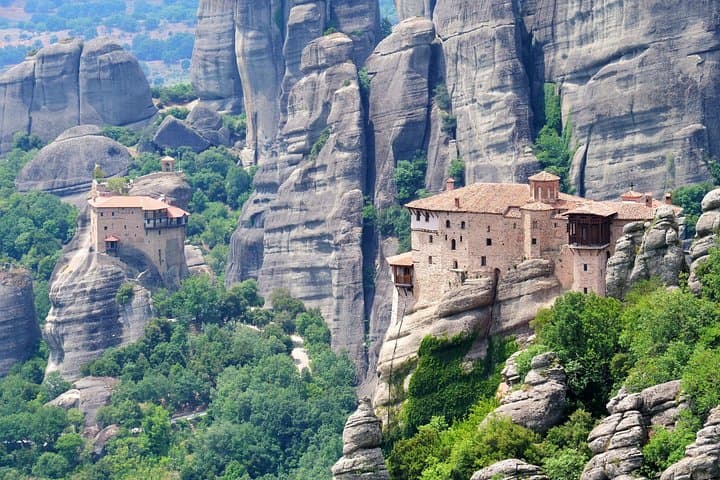
Meteora, a UNESCO World Heritage Site, occupies a dramatic shelf above the plain near Kalambaka. The rock pillars were sculpted over millions of years as ancient seabeds uplifted and eroded; geologists point to tectonic activity roughly 30 million years ago that left the steep, fluted spires you see today. Monastic life began here in the Middle Ages when hermit monks hauled supplies up rope ladders and later built the six major monasteries that contain frescoes, icons, and archives central to Orthodox Christian history.
Culturally, Meteora is both living monastery and public landmark: visitors can explore one or two interiors, while the others remain active religious communities with strict dress codes and quiet zones. Kastraki village provides a practical lunch stop and a low-key window into local life between visits.
Practical guidance: the day starts with a roughly 3-hour drive each way from Thessaloniki (about 230 km), so expect a long but rewarding day — this private trip runs roughly 10–12 hours. Most monastery approaches require climbing stone stairs; comfortable, grippy shoes are essential. Carry ID and your ticket, respect dress rules (no shorts for men, no sleeveless tops for women), and bring water, sun protection, and a light layer for higher-elevation winds. Photography is welcome in most exterior areas but follow signs inside. The experience pairs dramatic geology with contemplative history, and planning your timing will make the difference between a rushed photo stop and a measured visit to this otherworldly landscape.
moderate.
10–12 hours.
Able to walk short distances and climb multiple flights of stairs; not strenuous but requires steady mobility
The trip covers about 230 km with roughly 3 hours driving each way; plan for a 10–12 hour full-day excursion including stops.
Not usually; the tour typically visits one or two monasteries inside while offering panoramic stops to view all six from vantage points, since some remain active with limited visitor access.
Yes. Men should avoid shorts and women should avoid sleeveless tops; modest clothing is required and some monasteries provide wraps but policies vary.
Partial—transportation is comfortable, but monastery access requires climbing stone stairs and walking short uneven sections; discuss mobility needs with the operator before booking.
Monastic settlement expanded from isolated hermits in the Middle Ages into a formal network of monasteries; six major institutions remain and attract pilgrims and visitors alike.
High visitor numbers can stress fragile trails and frescoed interiors; stick to marked paths, avoid touching frescoes, and follow monastery rules to minimize impact.
MyGreece operates guided outdoor trips and adventures with an emphasis on safety, stewardship, and memorable experiences.
You step out of the minivan and the world tilts: vertical sandstone towers rise like fossilized waves, the wind threading through narrow ledges and daring you to look up.
You step out of the minivan and the world tilts: vertical sandstone towers rise like fossilized waves, the wind threading through narrow ledges and daring you to look up.
Meteora, a UNESCO World Heritage Site, occupies a dramatic shelf above the plain near Kalambaka. The rock pillars were sculpted over millions of years as ancient seabeds uplifted and eroded; geologists point to tectonic activity roughly 30 million years ago that left the steep, fluted spires you see today. Monastic life began here in the Middle Ages when hermit monks hauled supplies up rope ladders and later built the six major monasteries that contain frescoes, icons, and archives central to Orthodox Christian history.
Culturally, Meteora is both living monastery and public landmark: visitors can explore one or two interiors, while the others remain active religious communities with strict dress codes and quiet zones. Kastraki village provides a practical lunch stop and a low-key window into local life between visits.
Practical guidance: the day starts with a roughly 3-hour drive each way from Thessaloniki (about 230 km), so expect a long but rewarding day — this private trip runs roughly 10–12 hours. Most monastery approaches require climbing stone stairs; comfortable, grippy shoes are essential. Carry ID and your ticket, respect dress rules (no shorts for men, no sleeveless tops for women), and bring water, sun protection, and a light layer for higher-elevation winds. Photography is welcome in most exterior areas but follow signs inside. The experience pairs dramatic geology with contemplative history, and planning your timing will make the difference between a rushed photo stop and a measured visit to this otherworldly landscape.