THE ADVENTURE COLLECTIVE® · Independent discovery and booking for outdoor travel

Explore Marrakech’s UNESCO-listed Medina on a private full-day tour that moves from the 12th‑century Koutoubia and Saadian Tombs to the bustling souks and the electric pulse of Jemaa el‑Fnaa. Practical tips on timing, footwear and local customs help you plan a smooth day.
Explore Marrakech’s UNESCO-listed Medina on a private full-day tour that moves from the 12th‑century Koutoubia and Saadian Tombs to the bustling souks and the electric pulse of Jemaa el‑Fnaa. Practical tips on timing, footwear and local customs help you plan a smooth day.
You step from the car into a heat-honeyed square where spice stalls and storyteller voices braid into one continual hum. The minaret of the Koutoubia cleaves the sky—its shadow stretching across plazas that have seen traders, saints and emirs. Walking with a private guide through the Medina, narrow alleys open and close like pages, each doorway promising pottery, leather or a quiet courtyard.
Verified experiences and guided adventures in the surrounding area.
Operated by Special Morocco Trans Tours · Marrakech, Marrakesh-Safi
You step from the car into a heat-honeyed square where spice stalls and storyteller voices braid into one continual hum. The minaret of the Koutoubia cleaves the sky—its shadow stretching across plazas that have seen traders, saints and emirs. Walking with a private guide through the Medina, narrow alleys open and close like pages, each doorway promising pottery, leather or a quiet courtyard.
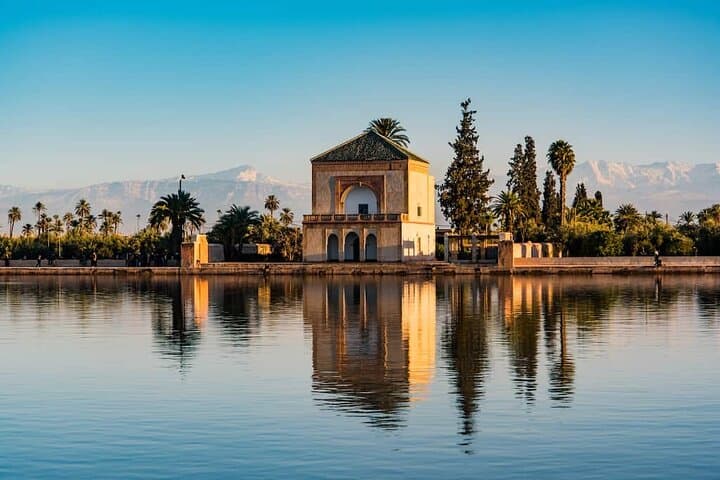
Marrakech’s Old Medina is a UNESCO World Heritage site whose walls date to the Almoravid and Almohad dynasties; the Koutoubia was raised in the 12th century and the Saadian Tombs preserve 16th-century royal ornament. The city sits on the northern edge of the High Atlas foothills, where irrigation and centuries of olive cultivation shaped the local landscape and gardens like the Menara.
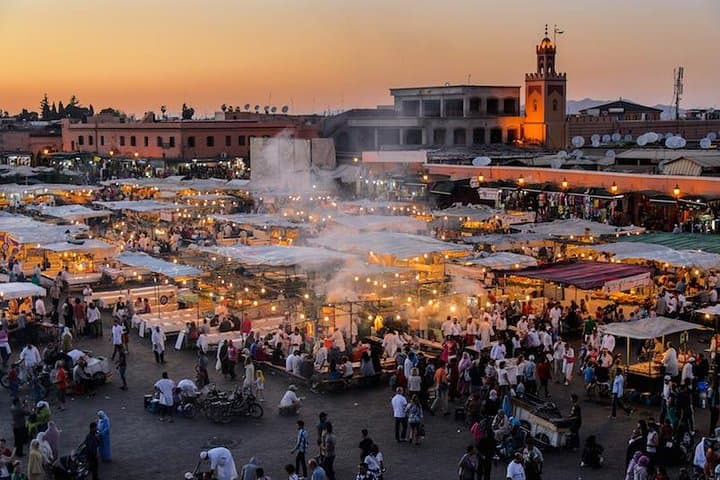
Expect a day that alternates sensory extremes: the dust-and-spice tang of souks, the cool shade of riad courtyards, and the theatrical crescendo at Jemaa el-Fnaa as evening vendors set up grills and musicians tune up. Your private vehicle and guide streamline movement between sites, but plan for lots of walking on uneven surfaces and tight stairs at historic sites.
Bring a sun hat, refillable water bottle and shoes that can handle cobbles and dust. Start early to avoid peak heat and end your route in Jemaa el-Fnaa for a sensory-rich dinner experience. Keep small bills for tips and purchases, and leave space in your bag for ceramics or textiles you’ll want to take home.
easy.
7–8 hours.
Suitable for most fitness levels; you should be comfortable walking 4–6 miles on uneven, often cobbled surfaces.
This private tour typically includes pickup and drop-off by private vehicle—confirm pickup location and timing at booking.
Some stops like the Saadian Tombs or Ben Youssef Madrasa may require separate admission; check the tour details before you go.
The itinerary notes stroller accessibility in some areas, but narrow alleys and steps make a stroller impractical in parts of the Medina.
Guides commonly speak English, French and Arabic; request language preferences at booking to ensure the right match.
Marrakech’s walled Medina was a political and commercial center from the 11th century onward, with visible layers from Almoravid, Almohad and Saadian periods in its monuments.
Tourism puts pressure on narrow historic streets—support local artisans directly, avoid single‑use plastics and follow guide advice to reduce wear on fragile sites.
Special Morocco Trans Tours operates guided outdoor trips and adventures with an emphasis on safety, stewardship, and memorable experiences.
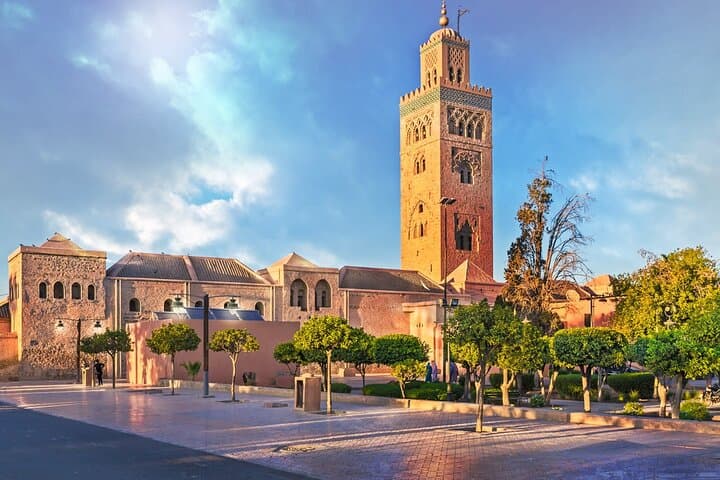
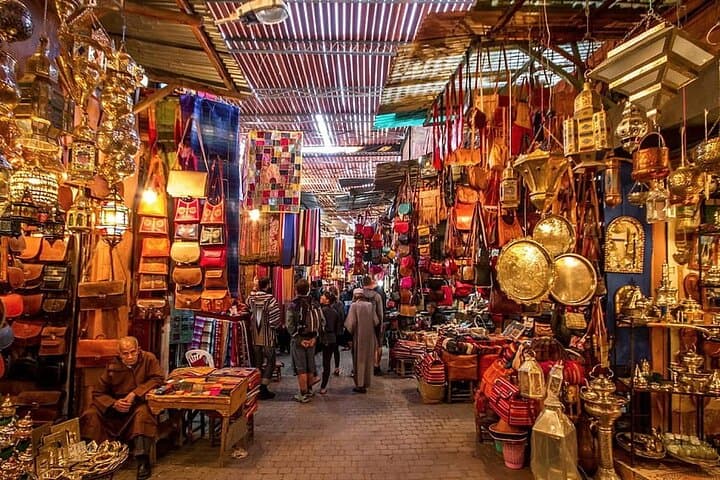
You step from the car into a heat-honeyed square where spice stalls and storyteller voices braid into one continual hum. The minaret of the Koutoubia cleaves the sky—its shadow stretching across plazas that have seen traders, saints and emirs. Walking with a private guide through the Medina, narrow alleys open and close like pages, each doorway promising pottery, leather or a quiet courtyard.
You step from the car into a heat-honeyed square where spice stalls and storyteller voices braid into one continual hum. The minaret of the Koutoubia cleaves the sky—its shadow stretching across plazas that have seen traders, saints and emirs. Walking with a private guide through the Medina, narrow alleys open and close like pages, each doorway promising pottery, leather or a quiet courtyard.
Marrakech’s Old Medina is a UNESCO World Heritage site whose walls date to the Almoravid and Almohad dynasties; the Koutoubia was raised in the 12th century and the Saadian Tombs preserve 16th-century royal ornament. The city sits on the northern edge of the High Atlas foothills, where irrigation and centuries of olive cultivation shaped the local landscape and gardens like the Menara.
Expect a day that alternates sensory extremes: the dust-and-spice tang of souks, the cool shade of riad courtyards, and the theatrical crescendo at Jemaa el-Fnaa as evening vendors set up grills and musicians tune up. Your private vehicle and guide streamline movement between sites, but plan for lots of walking on uneven surfaces and tight stairs at historic sites.
Bring a sun hat, refillable water bottle and shoes that can handle cobbles and dust. Start early to avoid peak heat and end your route in Jemaa el-Fnaa for a sensory-rich dinner experience. Keep small bills for tips and purchases, and leave space in your bag for ceramics or textiles you’ll want to take home.