THE ADVENTURE COLLECTIVE® · Independent discovery and booking for outdoor travel

Travel from Cusco by tourist train and spend a full day exploring Machu Picchu with a private guide and included lunch. This all-in-one itinerary handles logistics—tickets, transfers and train—so you can focus on the ruins, views and history.
Travel from Cusco by tourist train and spend a full day exploring Machu Picchu with a private guide and included lunch. This all-in-one itinerary handles logistics—tickets, transfers and train—so you can focus on the ruins, views and history.
Dawn on the railway feels like an overture: iron rails trace a knife-edge through steep Andean ravines, cloud forest rising from the valley like smoke. By mid-morning the terraces of Machu Picchu slip into view—stone platforms, temples and narrow stairways clinging to a granite ridge above the rushing Urubamba River.
Verified experiences and guided adventures in the surrounding area.
Operated by Peru Wonderful Travel · Aguas Calientes (Machu Picchu Pueblo), Cusco
Dawn on the railway feels like an overture: iron rails trace a knife-edge through steep Andean ravines, cloud forest rising from the valley like smoke. By mid-morning the terraces of Machu Picchu slip into view—stone platforms, temples and narrow stairways clinging to a granite ridge above the rushing Urubamba River.
The citadel dates to the 15th century under Inca ruler Pachacuti and sits where geology meets human engineering: fractured granite ridges sculpted by millennia of erosion, stabilized by terraces and dry-set masonry. Hiram Bingham’s 1911 expedition brought global attention, but local Quechua communities still hold cultural ties to the site; you’ll notice rituals, traditional weaving in Aguas Calientes, and Quechua words at the markets.
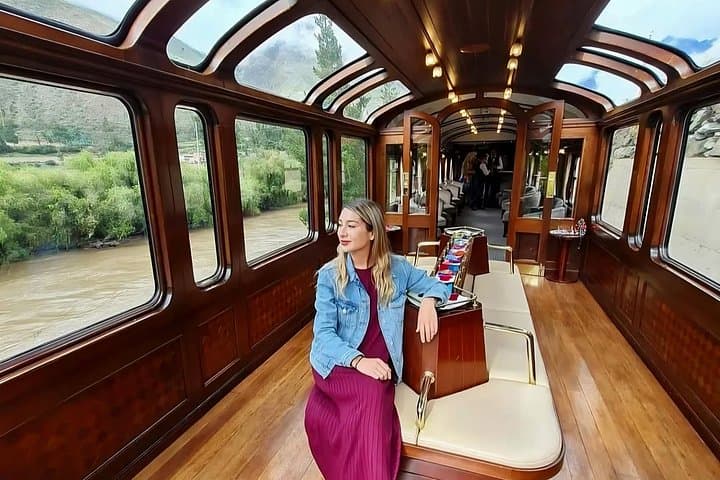
This private, full-day itinerary packages hotel pickup in Cusco, a scenic tourist train from Ollantaytambo, guided exploration of Circuit 2 inside Machu Picchu, lunch in Aguas Calientes, and return transport to Cusco—perfect for travelers short on time but keen on context.
Practical notes: tickets are time- and date-specific and non-transferable—bring passports for check-in. Altitude and uneven stone surfaces make steady shoes and a moderate fitness level important; expect several hours on your feet and many stairs. Morning visits are cooler and less crowded; late-afternoon light is great for photography but can be wetter. Carry water, sun protection and a small rain layer year-round. Guides typically cover key sectors—Temple of the Sun, Intihuatana platform, agricultural terraces—and leave time for photos and questions.
With advance logistics handled, this tour focuses on the walking, the views and the history—leaving you to experience Machu Picchu’s scale and quiet intensity without the planning stress.
moderate.
10–12 hours.
Moderate cardiovascular fitness and comfortable walking ability; stair climbing at altitude required
This full-day private tour runs about 10–12 hours with early morning hotel pickup in Cusco to catch the tourist train from Ollantaytambo; exact start depends on train timetable.
Yes—this package includes Machu Picchu tickets (Circuit 2), one-way and return tourist train tickets between Ollantaytambo and Aguas Calientes, and Consettur bus tickets to the archaeological site.
Yes—the Machu Picchu authority requires full name, passport number and nationality for entry checks; bring the same passport used to reserve your ticket.
Children can join, but infants must sit on laps; the site has many steep staircases and uneven paths, so it's not suitable for travelers with serious mobility limitations.
Machu Picchu was built in the 15th century under Inca ruler Pachacuti and reintroduced to the wider world by Hiram Bingham in 1911; its exact ceremonial and residential uses remain partially debated.
Authorities limit entries, enforce circuit routes and ban off-trail travel and drones—follow signs and your guide to minimize erosion and protect archaeological fabric.
Peru Wonderful Travel operates guided outdoor trips and adventures with an emphasis on safety, stewardship, and memorable experiences.
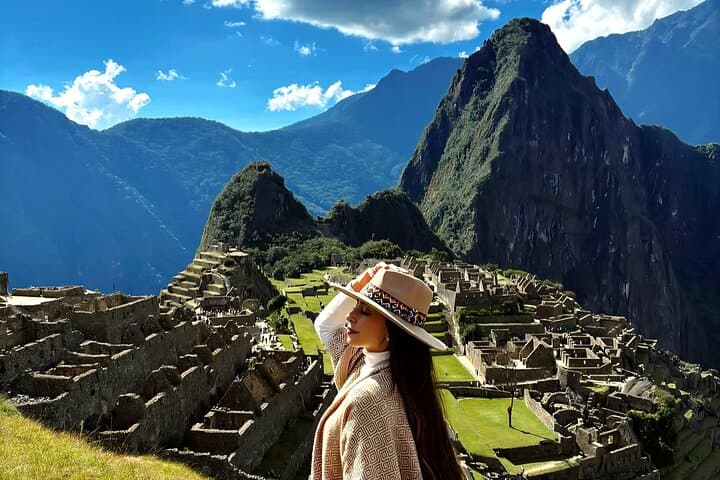
Dawn on the railway feels like an overture: iron rails trace a knife-edge through steep Andean ravines, cloud forest rising from the valley like smoke. By mid-morning the terraces of Machu Picchu slip into view—stone platforms, temples and narrow stairways clinging to a granite ridge above the rushing Urubamba River.
Dawn on the railway feels like an overture: iron rails trace a knife-edge through steep Andean ravines, cloud forest rising from the valley like smoke. By mid-morning the terraces of Machu Picchu slip into view—stone platforms, temples and narrow stairways clinging to a granite ridge above the rushing Urubamba River.
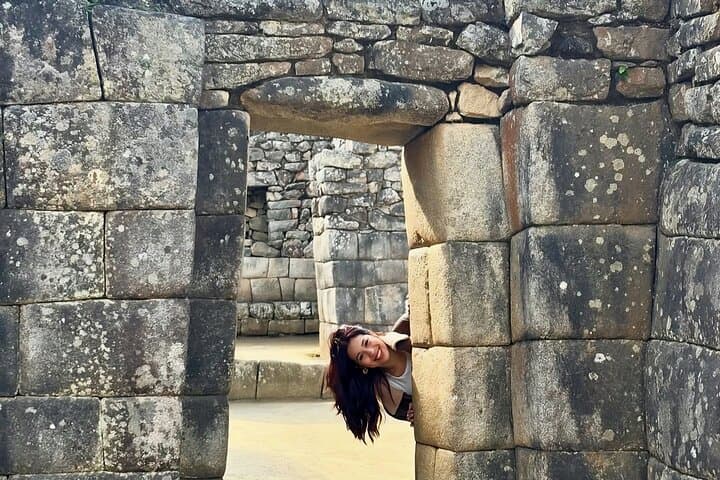
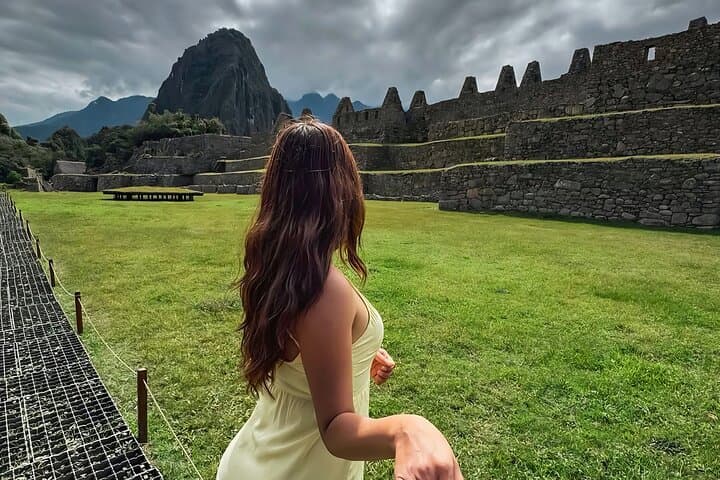
The citadel dates to the 15th century under Inca ruler Pachacuti and sits where geology meets human engineering: fractured granite ridges sculpted by millennia of erosion, stabilized by terraces and dry-set masonry. Hiram Bingham’s 1911 expedition brought global attention, but local Quechua communities still hold cultural ties to the site; you’ll notice rituals, traditional weaving in Aguas Calientes, and Quechua words at the markets.
This private, full-day itinerary packages hotel pickup in Cusco, a scenic tourist train from Ollantaytambo, guided exploration of Circuit 2 inside Machu Picchu, lunch in Aguas Calientes, and return transport to Cusco—perfect for travelers short on time but keen on context.
Practical notes: tickets are time- and date-specific and non-transferable—bring passports for check-in. Altitude and uneven stone surfaces make steady shoes and a moderate fitness level important; expect several hours on your feet and many stairs. Morning visits are cooler and less crowded; late-afternoon light is great for photography but can be wetter. Carry water, sun protection and a small rain layer year-round. Guides typically cover key sectors—Temple of the Sun, Intihuatana platform, agricultural terraces—and leave time for photos and questions.
With advance logistics handled, this tour focuses on the walking, the views and the history—leaving you to experience Machu Picchu’s scale and quiet intensity without the planning stress.