THE ADVENTURE COLLECTIVE® · Independent discovery and booking for outdoor travel

Spend a full day with a private guide exploring Kathmandu Valley’s seven UNESCO World Heritage sites — from the hilltop Swayambhunath stupas to the royal courtyards of Durbar Squares. This practical guide explains what you’ll see and how to prepare for a 10–11 hour cultural day.
Spend a full day with a private guide exploring Kathmandu Valley’s seven UNESCO World Heritage sites — from the hilltop Swayambhunath stupas to the royal courtyards of Durbar Squares. This practical guide explains what you’ll see and how to prepare for a 10–11 hour cultural day.
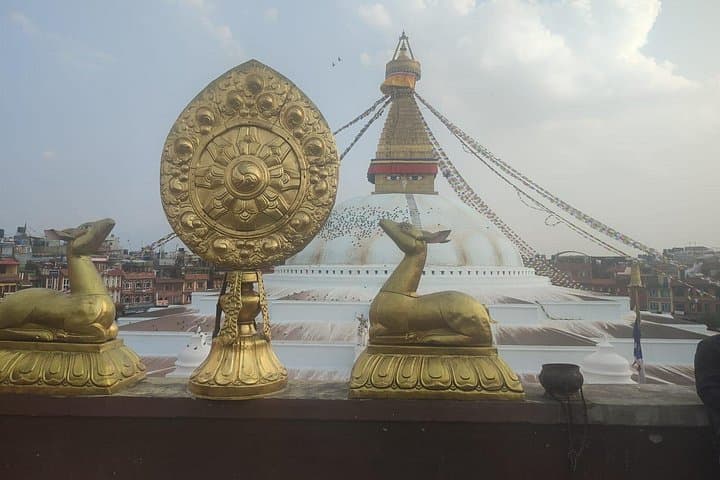
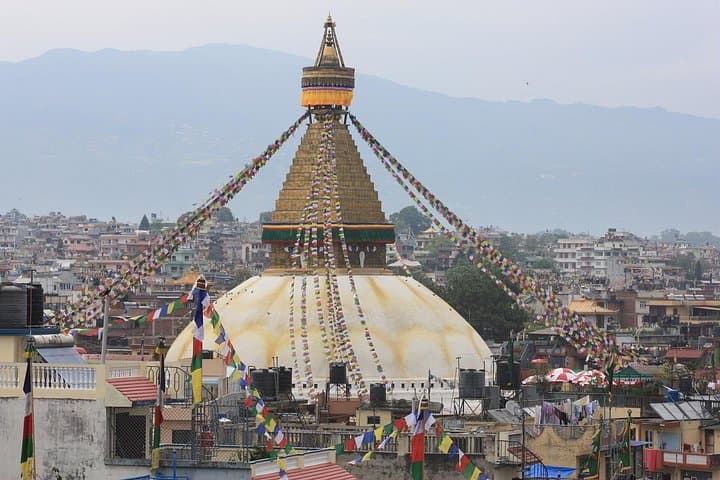
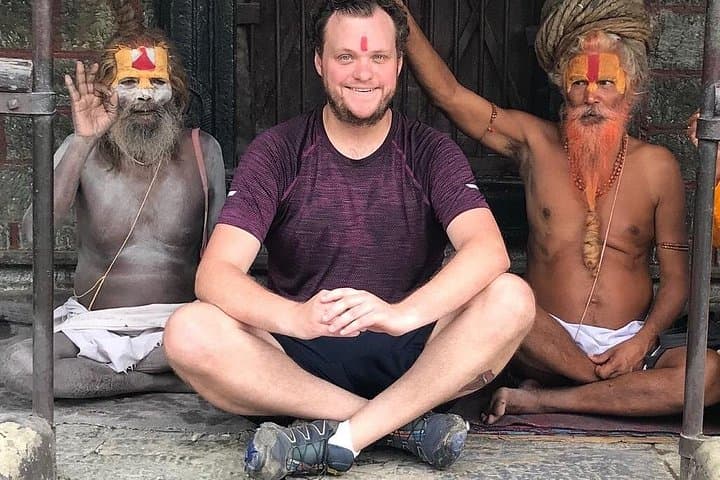
Dawn light slices between brick lanes as your driver threads a private car through Kathmandu’s living city — prayer flags snap across rooftops, temple bells mark time, and the chatter of vendors begins. Climbing the stone steps to Swayambhunath, the city unfurls below and the stupas’ painted eyes seem to watch the valley breathe; later the Bagmati River lays out a quieter, ritual rhythm at Pashupatinath.
Verified experiences and guided adventures in the surrounding area.
Operated by Himalayan Partner Treks and Expedition · Kathmandu, Bagmati Province
Dawn light slices between brick lanes as your driver threads a private car through Kathmandu’s living city — prayer flags snap across rooftops, temple bells mark time, and the chatter of vendors begins. Climbing the stone steps to Swayambhunath, the city unfurls below and the stupas’ painted eyes seem to watch the valley breathe; later the Bagmati River lays out a quieter, ritual rhythm at Pashupatinath.
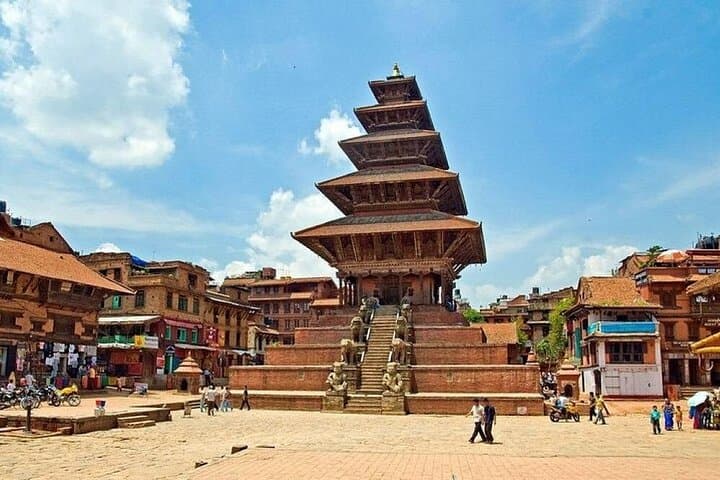
The Kathmandu Valley hosts seven UNESCO sites that trace centuries of Newari craftsmanship, Hindu rites and Tibetan Buddhist practice. Palaces at Durbar Squares display wood and metal carving, Bhaktapur’s Nyatapola anchors a medieval layout, and Changu Narayan preserves some of Nepal’s oldest stone reliefs. Geologically the valley is a tectonic plain ringed by hills and fed by rivers that have shaped settlement patterns and market streets for generations.
On a practical level expect a long but gentle day: this private tour runs about 10–11 hours with 15–45 minute stops at each site and moderate walking on uneven courtyards and stairways. You’ll move between hilltop stupas and riverside ghats, so wear closed-toe shoes with good grip, carry water, and dress modestly (shoulders and knees covered) out of respect for sacred spaces. Your guide will handle admissions and route timing; bring cash for small offerings, handicrafts and street snacks.
Plan to start early to catch views of the Himalayan rim, keep camera batteries charged, and allow time to wander adjoining markets in Patan and Bhaktapur. Be mindful at religious sites — observe boundaries for non-Hindus at inner temple areas and follow your guide’s directions to keep the experience respectful and efficient.
easy.
10–11 hours.
Light urban walking and stair climbs; suitable for most who can handle several hours on foot.
Yes — the tour includes private pickup and drop-off in an air-conditioned vehicle from Kathmandu-area hotels.
A current valid passport is required on the day of travel and for identification with your booking.
Admissions to the listed UNESCO sites are included as noted in the itinerary; ask your operator to confirm specifics before travel.
The tour is physically easy but includes stairs and uneven surfaces; it’s suitable for children but may be challenging for those with significant mobility restrictions.
Kathmandu Valley’s seven UNESCO sites reflect a fusion of Newar craftsmanship, Hindu and Buddhist practice developed over a millennium as the valley served as a trade and pilgrimage crossroads.
Preservation is ongoing after past earthquakes; visitors are asked to avoid touching fragile carvings, to stay on marked paths and to support local restoration by following guide instructions.
Himalayan Partner Treks and Expedition operates guided outdoor trips and adventures with an emphasis on safety, stewardship, and memorable experiences.
Dawn light slices between brick lanes as your driver threads a private car through Kathmandu’s living city — prayer flags snap across rooftops, temple bells mark time, and the chatter of vendors begins. Climbing the stone steps to Swayambhunath, the city unfurls below and the stupas’ painted eyes seem to watch the valley breathe; later the Bagmati River lays out a quieter, ritual rhythm at Pashupatinath.
Dawn light slices between brick lanes as your driver threads a private car through Kathmandu’s living city — prayer flags snap across rooftops, temple bells mark time, and the chatter of vendors begins. Climbing the stone steps to Swayambhunath, the city unfurls below and the stupas’ painted eyes seem to watch the valley breathe; later the Bagmati River lays out a quieter, ritual rhythm at Pashupatinath.
The Kathmandu Valley hosts seven UNESCO sites that trace centuries of Newari craftsmanship, Hindu rites and Tibetan Buddhist practice. Palaces at Durbar Squares display wood and metal carving, Bhaktapur’s Nyatapola anchors a medieval layout, and Changu Narayan preserves some of Nepal’s oldest stone reliefs. Geologically the valley is a tectonic plain ringed by hills and fed by rivers that have shaped settlement patterns and market streets for generations.
On a practical level expect a long but gentle day: this private tour runs about 10–11 hours with 15–45 minute stops at each site and moderate walking on uneven courtyards and stairways. You’ll move between hilltop stupas and riverside ghats, so wear closed-toe shoes with good grip, carry water, and dress modestly (shoulders and knees covered) out of respect for sacred spaces. Your guide will handle admissions and route timing; bring cash for small offerings, handicrafts and street snacks.
Plan to start early to catch views of the Himalayan rim, keep camera batteries charged, and allow time to wander adjoining markets in Patan and Bhaktapur. Be mindful at religious sites — observe boundaries for non-Hindus at inner temple areas and follow your guide’s directions to keep the experience respectful and efficient.