THE ADVENTURE COLLECTIVE® · Independent discovery and booking for outdoor travel

Spend a full day exploring Kathmandu Valley’s seven UNESCO World Heritage Sites with a private guide and AC transport. Visit Durbar Squares, stupas, and hilltop temples while learning the region’s layered history and living traditions.
Spend a full day exploring Kathmandu Valley’s seven UNESCO World Heritage Sites with a private guide and AC transport. Visit Durbar Squares, stupas, and hilltop temples while learning the region’s layered history and living traditions.
You begin the day as the city wakes — narrow streets spill incense and diesel into cool morning air while the valley’s low hills press in like an audience. A private car threads through rush-hour saffron and prayer flags, dropping you first at the carved stone facades of Kathmandu Durbar Square where carved struts and the Kumari’s window capture centuries of attention.
Verified experiences and guided adventures in the surrounding area.
Operated by Mount Glory Treks & Expedition Pvt.Ltd. · Kathmandu, Bagmati Province
You begin the day as the city wakes — narrow streets spill incense and diesel into cool morning air while the valley’s low hills press in like an audience. A private car threads through rush-hour saffron and prayer flags, dropping you first at the carved stone facades of Kathmandu Durbar Square where carved struts and the Kumari’s window capture centuries of attention.
Kathmandu Valley holds layers of history: medieval Newar kingdoms, Hindu and Buddhist religious reforms, and successive rebuilds after earthquakes. Geologically, the basin sits in a rain-caught hollow between Himalayan foothills, which has concentrated settlement and a rich alluvial soil that supported dense artisan communities. Culturally the day unfolds in contrasts — the chanting at Pashupatinath, the clockwise circuits at Boudhanath, and the sculpted bronze of Patan’s squares — each place an active chapter of living tradition.
Expect stair climbs at Swyambhunath (the ‘Monkey Temple’), long cloistered circumambulations, and time for slow observation at Bhaktapur’s pottery stalls. Practicalities: the tour is a full day (8–10 hours) by private AC car with an English-speaking guide; admissions generally aren’t included, and sites have modest entrance fees. Wear grippy shoes for uneven stone, carry a reusable water bottle and small change for offerings or museum tickets.
Plan to start early to avoid crowds at the major stupas, allow flexibility for short stops to photograph carved windows or sample Newari snacks, and keep respect for active shrines front of mind — shoes, cameras, and quiet voices matter here.
easy.
8–10 hours.
Suitable for most fitness levels; expect several short walks and stair climbs, some standing time.
No — the tour price covers guide, private AC car, bottled water, and taxes; individual site admissions are typically paid on arrival.
Private pickup is usually arranged; confirm your pickup point and timing when booking to ensure airport or hotel transfer is included.
Yes — the tour is rated easy, but expect stairs and some walking; request a gentler pace if needed when booking.
Photography rules vary by shrine — some inner sanctums prohibit photos; remove shoes where signs indicate and follow guide directions.
Kathmandu Valley was a collection of independent Newar city-states (Kathmandu, Patan, Bhaktapur) and many monuments date from the medieval Malla period and later Shah restorations.
Post-earthquake rebuilding has emphasized traditional craftsmanship and seismic retrofitting; visitors can help by staying on paths, not touching fragile carvings, and minimizing plastic waste.
Mount Glory Treks & Expedition Pvt.Ltd. operates guided outdoor trips and adventures with an emphasis on safety, stewardship, and memorable experiences.
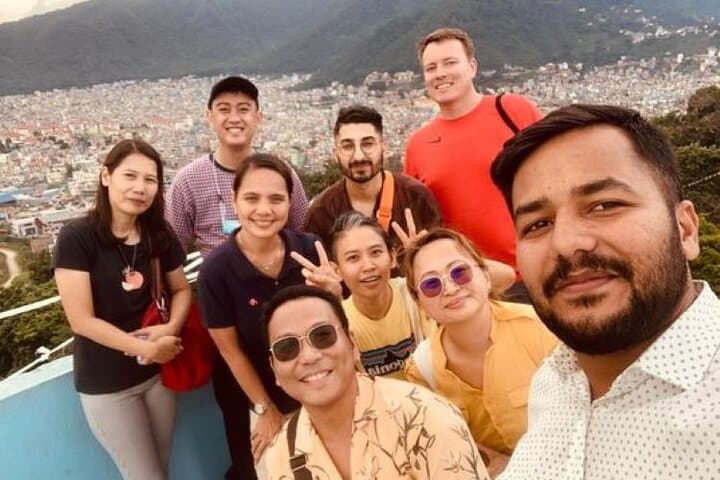
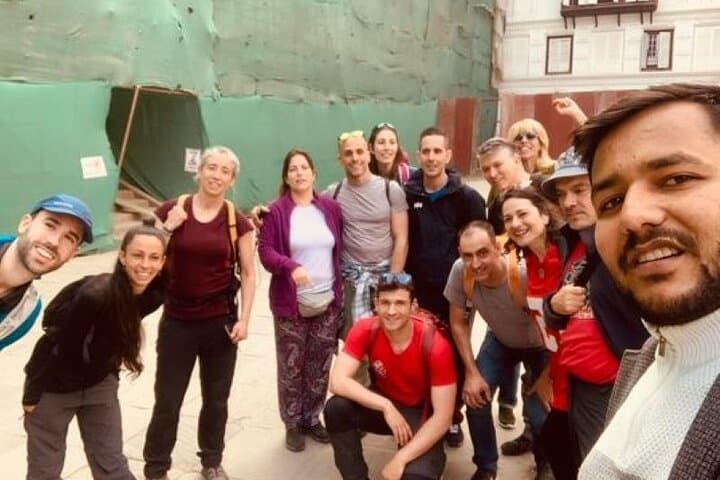
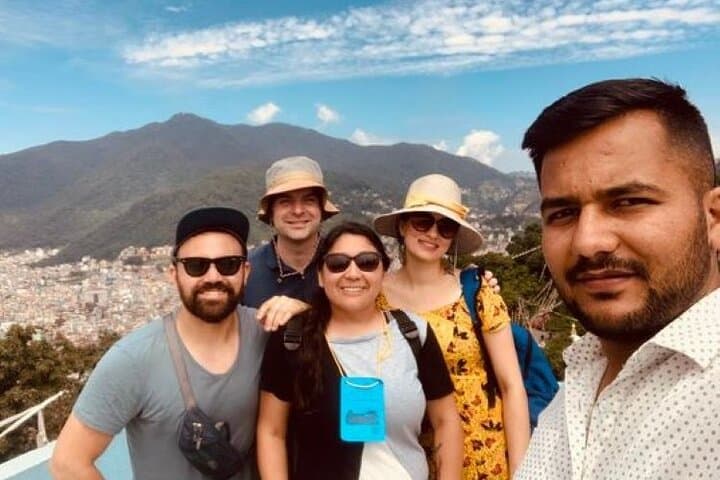
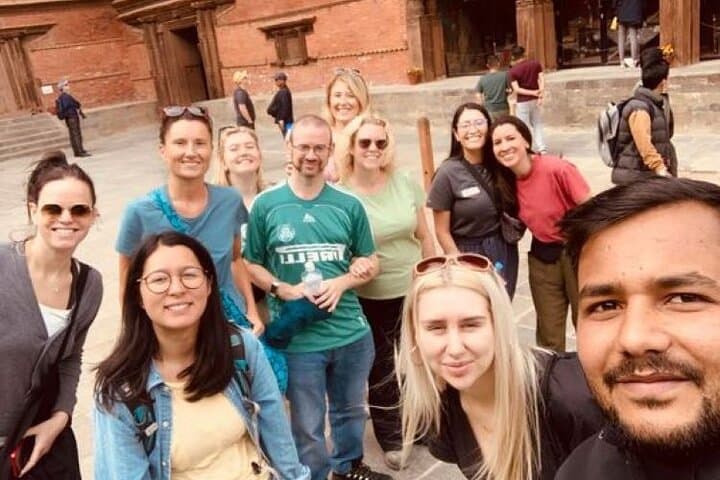
You begin the day as the city wakes — narrow streets spill incense and diesel into cool morning air while the valley’s low hills press in like an audience. A private car threads through rush-hour saffron and prayer flags, dropping you first at the carved stone facades of Kathmandu Durbar Square where carved struts and the Kumari’s window capture centuries of attention.
You begin the day as the city wakes — narrow streets spill incense and diesel into cool morning air while the valley’s low hills press in like an audience. A private car threads through rush-hour saffron and prayer flags, dropping you first at the carved stone facades of Kathmandu Durbar Square where carved struts and the Kumari’s window capture centuries of attention.
Kathmandu Valley holds layers of history: medieval Newar kingdoms, Hindu and Buddhist religious reforms, and successive rebuilds after earthquakes. Geologically, the basin sits in a rain-caught hollow between Himalayan foothills, which has concentrated settlement and a rich alluvial soil that supported dense artisan communities. Culturally the day unfolds in contrasts — the chanting at Pashupatinath, the clockwise circuits at Boudhanath, and the sculpted bronze of Patan’s squares — each place an active chapter of living tradition.
Expect stair climbs at Swyambhunath (the ‘Monkey Temple’), long cloistered circumambulations, and time for slow observation at Bhaktapur’s pottery stalls. Practicalities: the tour is a full day (8–10 hours) by private AC car with an English-speaking guide; admissions generally aren’t included, and sites have modest entrance fees. Wear grippy shoes for uneven stone, carry a reusable water bottle and small change for offerings or museum tickets.
Plan to start early to avoid crowds at the major stupas, allow flexibility for short stops to photograph carved windows or sample Newari snacks, and keep respect for active shrines front of mind — shoes, cameras, and quiet voices matter here.