THE ADVENTURE COLLECTIVE® · Independent discovery and booking for outdoor travel

Ride as a passenger through Kathmandu’s living heritage in a single day. This private motorbike tour connects Durbar Square, Swayambhunath, Pashupatinath and Boudhanath with local insight and efficient city travel.
Ride as a passenger through Kathmandu’s living heritage in a single day. This private motorbike tour connects Durbar Square, Swayambhunath, Pashupatinath and Boudhanath with local insight and efficient city travel.
The city arrives at you in motion: a two-wheeled escort threading through narrow lanes where prayer flags snap and temple bells mark the hour. As a passenger on a private motorbike, you glide from the crowded courtyards of Kathmandu Durbar Square to the hilltop gaze of Swayambhunath, the motorcycles’ wake parting tuk-tuks and vendors like a river finding its channel.
Verified experiences and guided adventures in the surrounding area.
Operated by Couch Adventure Nepal (CAN) · Kathmandu, Bagmati Province
The city arrives at you in motion: a two-wheeled escort threading through narrow lanes where prayer flags snap and temple bells mark the hour. As a passenger on a private motorbike, you glide from the crowded courtyards of Kathmandu Durbar Square to the hilltop gaze of Swayambhunath, the motorcycles’ wake parting tuk-tuks and vendors like a river finding its channel.
Kathmandu Valley sits at roughly 1,400 meters elevation and has been a crossroads of Newar culture and trade for centuries. Durbar Square’s carved wooden palaces speak to a medieval kingdom; Boudhanath’s massive mandala reflects centuries of Tibetan-Buddhist practice; Pashupatinath is one of South Asia’s most important Shaiva sites. Geologically, the valley is an uplifted basin ringed by lower Himalayan foothills—those surrounding slopes shape the weather and funnel morning mist into the city.
Expect urban surfaces: paved avenues, uneven patches, occasional cobbles and steep steps at temple approaches. Cultural etiquette matters—modest dress, quiet in worship areas, and removing shoes where required. The guide handles navigation and traffic; you ride as a passenger and dismount to explore each site on foot.
Practical tips: plan for 6–7 hours, wear layered clothing for variable sun and pollution, carry water and small local currency for temple offerings and snacks. Be prepared for heavy traffic and close-quarter riding—helmets are provided but confirm fit. This is a high-engagement, low-impact way to see Kathmandu’s core heritage in a single day while leaning on a local rider’s knowledge to move safely through the city’s pulse.
easy.
6–7 hours.
Suitable for most fitness levels; you should be comfortable mounting/dismounting a bike and walking short temple stairways.
No; as a passenger you don’t need a motorcycle license—your guide provides the bike and handles riding.
The standard tour does not include admissions; budget for any entrance fees and donations at each site.
Yes—hotel pickup and drop-off within Kathmandu city are included in the tour package.
This tour is not recommended for pregnant travelers or those with spinal issues due to sustained riding and traffic conditions.
Kathmandu Valley was the political and cultural heart of several Newar kingdoms; many monuments date from the Licchavi period through Malla rule and reflect Hindu-Buddhist syncretism.
Heritage sites face pressure from urban pollution and seismic vulnerability; visitors can help by minimizing litter, using marked paths and supporting local conservation fees or authentic restoration funds.
Couch Adventure Nepal (CAN) operates guided outdoor trips and adventures with an emphasis on safety, stewardship, and memorable experiences.
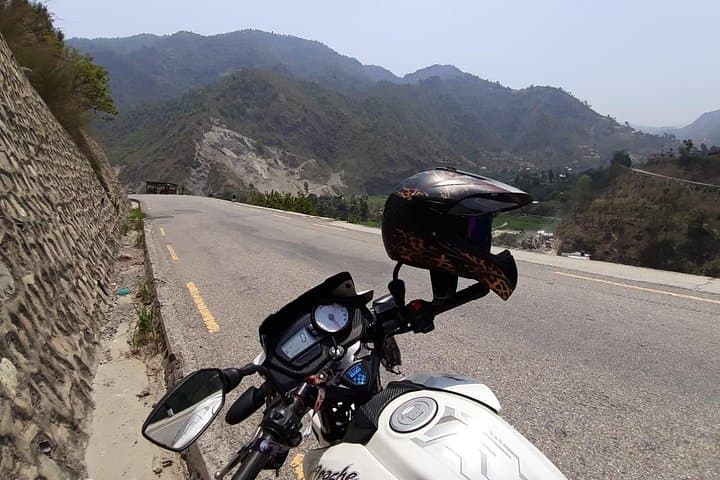
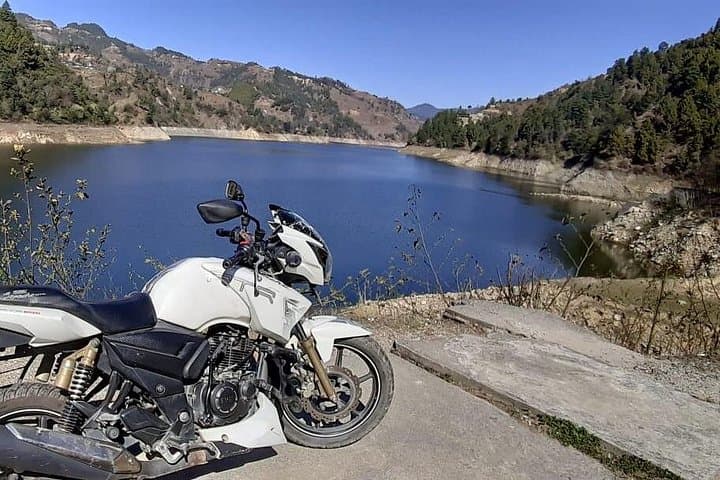
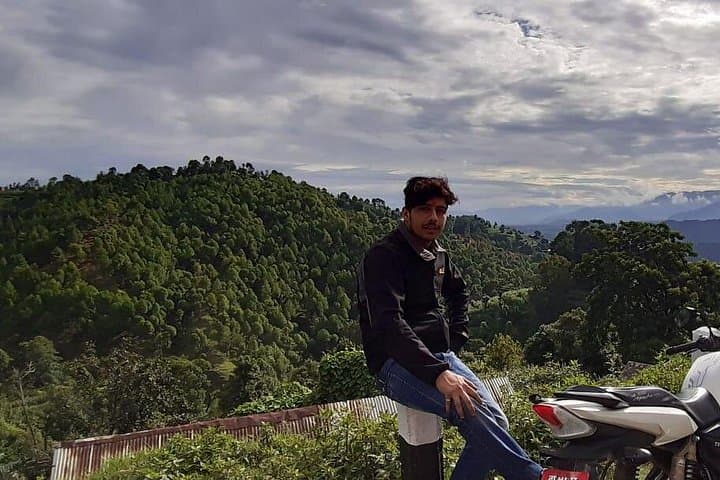
The city arrives at you in motion: a two-wheeled escort threading through narrow lanes where prayer flags snap and temple bells mark the hour. As a passenger on a private motorbike, you glide from the crowded courtyards of Kathmandu Durbar Square to the hilltop gaze of Swayambhunath, the motorcycles’ wake parting tuk-tuks and vendors like a river finding its channel.
The city arrives at you in motion: a two-wheeled escort threading through narrow lanes where prayer flags snap and temple bells mark the hour. As a passenger on a private motorbike, you glide from the crowded courtyards of Kathmandu Durbar Square to the hilltop gaze of Swayambhunath, the motorcycles’ wake parting tuk-tuks and vendors like a river finding its channel.
Kathmandu Valley sits at roughly 1,400 meters elevation and has been a crossroads of Newar culture and trade for centuries. Durbar Square’s carved wooden palaces speak to a medieval kingdom; Boudhanath’s massive mandala reflects centuries of Tibetan-Buddhist practice; Pashupatinath is one of South Asia’s most important Shaiva sites. Geologically, the valley is an uplifted basin ringed by lower Himalayan foothills—those surrounding slopes shape the weather and funnel morning mist into the city.
Expect urban surfaces: paved avenues, uneven patches, occasional cobbles and steep steps at temple approaches. Cultural etiquette matters—modest dress, quiet in worship areas, and removing shoes where required. The guide handles navigation and traffic; you ride as a passenger and dismount to explore each site on foot.
Practical tips: plan for 6–7 hours, wear layered clothing for variable sun and pollution, carry water and small local currency for temple offerings and snacks. Be prepared for heavy traffic and close-quarter riding—helmets are provided but confirm fit. This is a high-engagement, low-impact way to see Kathmandu’s core heritage in a single day while leaning on a local rider’s knowledge to move safely through the city’s pulse.