THE ADVENTURE COLLECTIVE® · Independent discovery and booking for outdoor travel

Spend a private day exploring Kathmandu’s UNESCO sites—from Swayambhunath’s hilltop gaze to the sacred ghats of Pashupatinath and the colossal Boudhanath stupa. This full-day tour blends history, living ritual, and practical guidance for respectful sightseeing.
Spend a private day exploring Kathmandu’s UNESCO sites—from Swayambhunath’s hilltop gaze to the sacred ghats of Pashupatinath and the colossal Boudhanath stupa. This full-day tour blends history, living ritual, and practical guidance for respectful sightseeing.
You step from the vehicle onto a flagstone plaza and the city shifts around you—prayer flags snapping like conversation, the slow turn of prayer wheels, and the Bagmati River daring you to watch centuries of ritual unfold. This private, full-day tour threads Swayambhunath’s hilltop views with the intimate courtyards of Kathmandu Durbar Square, then follows the city’s sacred spine east to Pashupatinath and across to the watchful eyes of the Boudhanath stupa.
Verified experiences and guided adventures in the surrounding area.
Operated by Himalayan Recreation Treks & Expedition Pvt.Ltd · Kathmandu, Bagmati Province
You step from the vehicle onto a flagstone plaza and the city shifts around you—prayer flags snapping like conversation, the slow turn of prayer wheels, and the Bagmati River daring you to watch centuries of ritual unfold. This private, full-day tour threads Swayambhunath’s hilltop views with the intimate courtyards of Kathmandu Durbar Square, then follows the city’s sacred spine east to Pashupatinath and across to the watchful eyes of the Boudhanath stupa.
Kathmandu’s historic core grew under the Malla kings between the 12th and 18th centuries; carved woodwork, tiered pagodas and stone courtyards record both artisan skill and seismic vulnerability—note how many monuments still carry earthquake repairs from 2015. The valley sits on alluvial plains shaped by the Himalayan front; though not mountainous here, the city offers layered geology in river terraces and built terraces stacked against the hills.
Culturally the day moves between Hindu cremation ghats and Tibetan Buddhist circumambulations; your guide explains living traditions such as the Kumari (living goddess) and festival calendars that still regulate daily life.
Practical guidance: expect 5–8 hours with light walking on uneven surfaces, modest dress required for temple entry, and cash for small donations or entry fees. Wear comfortable shoes, carry a water bottle, and plan to move at your group’s pace—this private format gives time for questions and photography but also follows local rituals that may demand quiet or distance. Midday can be warm; mornings and late afternoons offer the clearest light for photos and cleaner air.
easy.
5–8 hours.
Light fitness—suitable for most people who can walk several hours with breaks; some stairs and uneven surfaces.
Most entrance fees are not included; your guide will advise on current fees and whether admission is required at each site.
Yes—tour is rated easy with private transport and rest opportunities; inform the operator of mobility needs when booking.
The Kumari sometimes appears at specific windows during ceremonies; sightings aren’t guaranteed and depend on schedules.
Expect intermittent walking between sites and within courtyards—total walking distance is light but over uneven ground and steps.
The Kathmandu Valley was a political and cultural hub for the Malla dynasty (12th–18th centuries); many palaces and temples date from that period and show traditional Newari craftsmanship.
Post-2015 earthquake repairs are ongoing and visitor behavior affects fragile monuments—avoid climbing on structures and use designated paths to reduce wear.
Himalayan Recreation Treks & Expedition Pvt.Ltd operates guided outdoor trips and adventures with an emphasis on safety, stewardship, and memorable experiences.
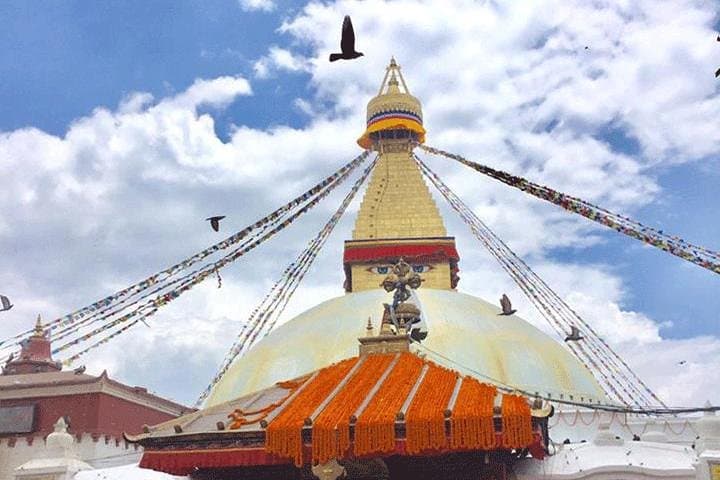
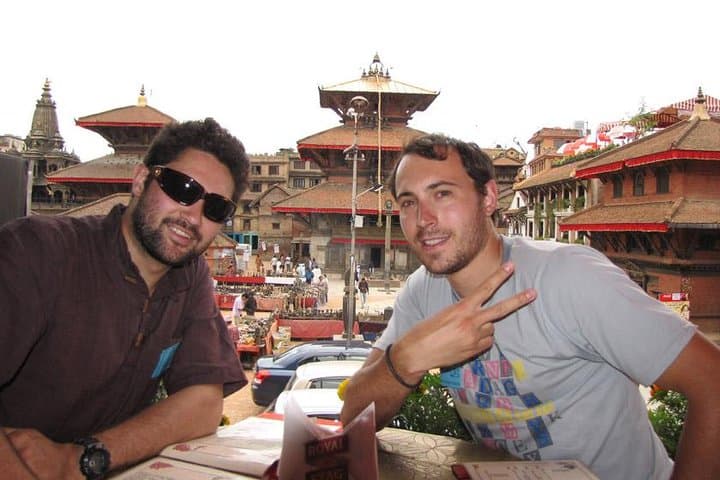
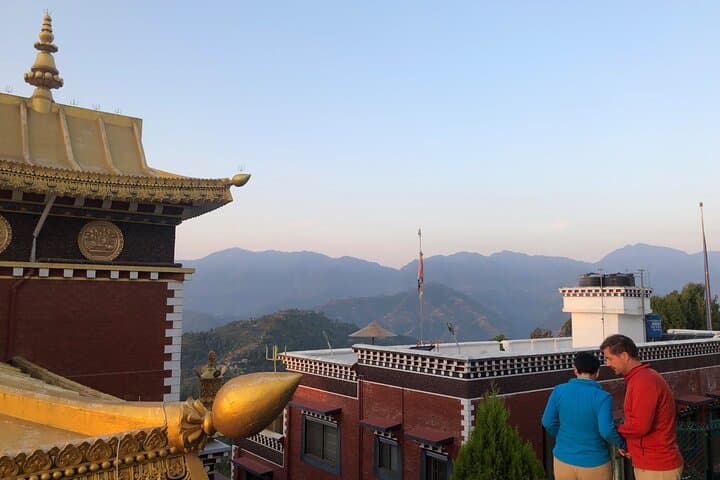
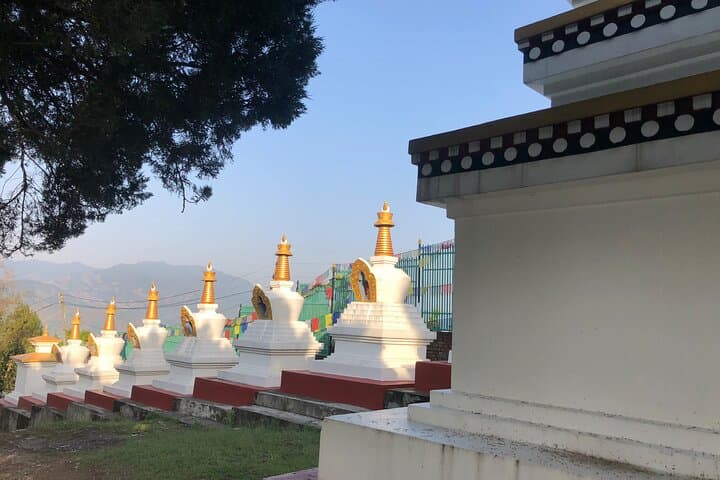
You step from the vehicle onto a flagstone plaza and the city shifts around you—prayer flags snapping like conversation, the slow turn of prayer wheels, and the Bagmati River daring you to watch centuries of ritual unfold. This private, full-day tour threads Swayambhunath’s hilltop views with the intimate courtyards of Kathmandu Durbar Square, then follows the city’s sacred spine east to Pashupatinath and across to the watchful eyes of the Boudhanath stupa.
You step from the vehicle onto a flagstone plaza and the city shifts around you—prayer flags snapping like conversation, the slow turn of prayer wheels, and the Bagmati River daring you to watch centuries of ritual unfold. This private, full-day tour threads Swayambhunath’s hilltop views with the intimate courtyards of Kathmandu Durbar Square, then follows the city’s sacred spine east to Pashupatinath and across to the watchful eyes of the Boudhanath stupa.
Kathmandu’s historic core grew under the Malla kings between the 12th and 18th centuries; carved woodwork, tiered pagodas and stone courtyards record both artisan skill and seismic vulnerability—note how many monuments still carry earthquake repairs from 2015. The valley sits on alluvial plains shaped by the Himalayan front; though not mountainous here, the city offers layered geology in river terraces and built terraces stacked against the hills.
Culturally the day moves between Hindu cremation ghats and Tibetan Buddhist circumambulations; your guide explains living traditions such as the Kumari (living goddess) and festival calendars that still regulate daily life.
Practical guidance: expect 5–8 hours with light walking on uneven surfaces, modest dress required for temple entry, and cash for small donations or entry fees. Wear comfortable shoes, carry a water bottle, and plan to move at your group’s pace—this private format gives time for questions and photography but also follows local rituals that may demand quiet or distance. Midday can be warm; mornings and late afternoons offer the clearest light for photos and cleaner air.