THE ADVENTURE COLLECTIVE® · Independent discovery and booking for outdoor travel

Explore Kathmandu’s four UNESCO highlights in a single private day: climb Swayambhunath for valley views, witness riverbank rituals at Pashupatinath, circle Bouddhanath’s stupa, and roam the ornate courts of Durbar Square. This practical guide covers what to expect, how to prepare, and local etiquette.
Explore Kathmandu’s four UNESCO highlights in a single private day: climb Swayambhunath for valley views, witness riverbank rituals at Pashupatinath, circle Bouddhanath’s stupa, and roam the ornate courts of Durbar Square. This practical guide covers what to expect, how to prepare, and local etiquette.
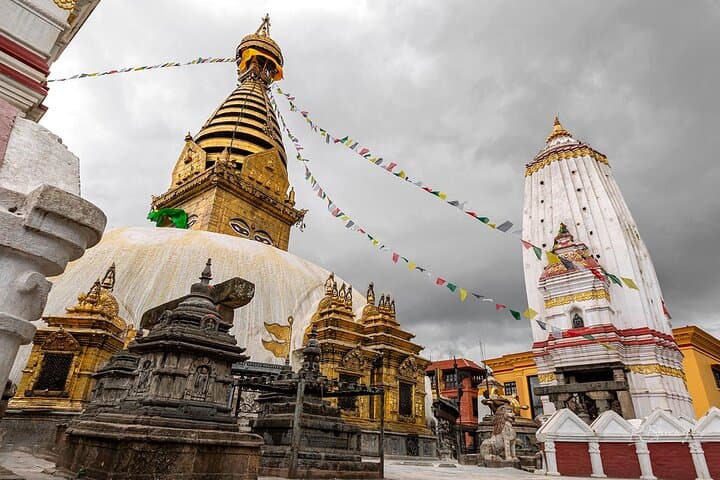
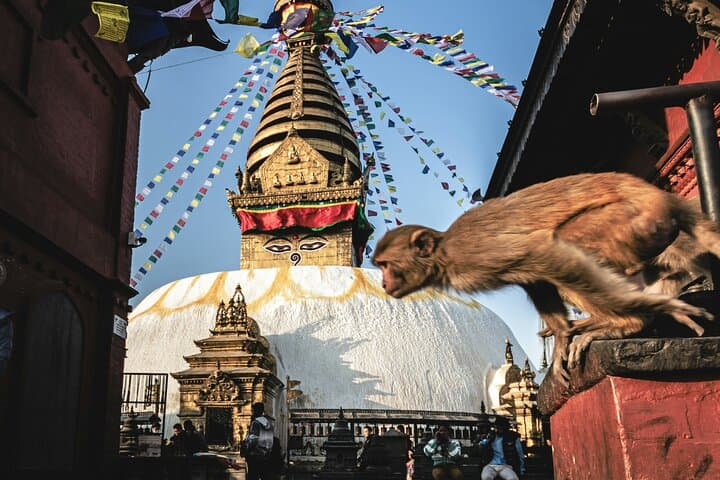
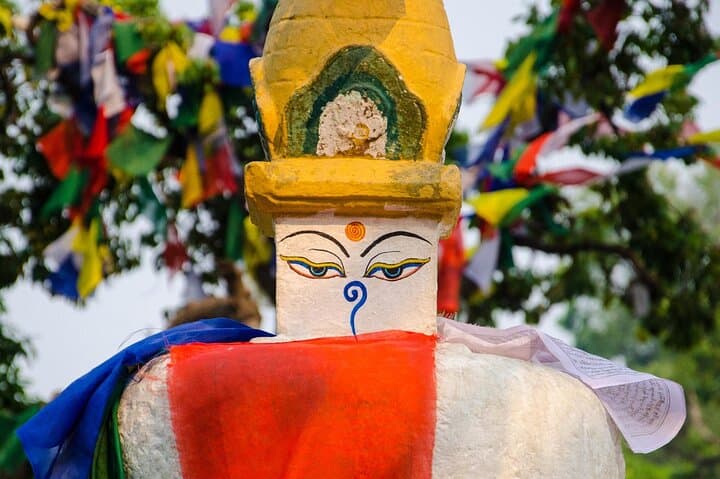
Morning light slices across the Kathmandu Valley as you climb into an air-conditioned vehicle and head for the spire of Swayambhunath. The hill rewards you with 360-degree views and a clatter of macaques—stone steps (about 365) push you toward prayer flags and the Buddha’s painted eyes, while city life unfurls below.
Verified experiences and guided adventures in the surrounding area.
Operated by Shepherd Holidays · Kathmandu, Bagmati Province
Morning light slices across the Kathmandu Valley as you climb into an air-conditioned vehicle and head for the spire of Swayambhunath. The hill rewards you with 360-degree views and a clatter of macaques—stone steps (about 365) push you toward prayer flags and the Buddha’s painted eyes, while city life unfurls below.
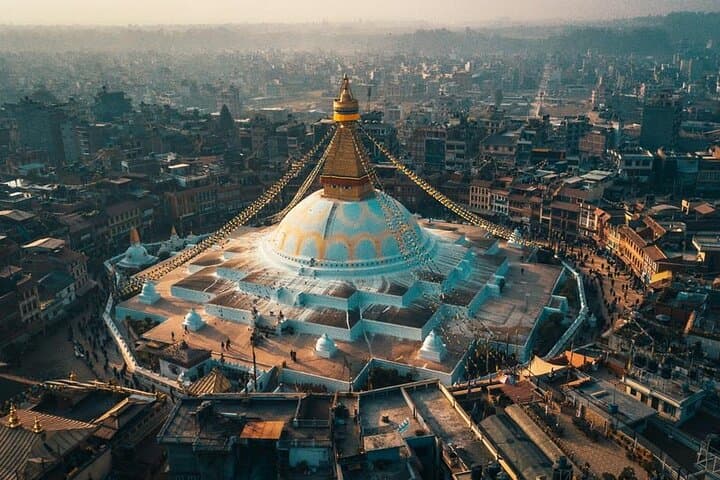
The route threads through layers of history: Kathmandu Durbar Square’s carved wooden windows and courtyards date to the 17th–18th centuries, Bouddhanath’s massive white dome speaks to Tibetan Buddhist craft, and Pashupatinath’s riverbank rituals reveal an unbroken Hindu tradition along the Baghmati River. Geologically the valley rests in an intermontane basin formed by Himalayan uplift, its flat floor cradling temples and narrow lanes that reflect centuries of artisan culture, especially Newar woodcarving and stonemasonry.
Practical details shape the day. This private six-hour loop mixes short walks with roadside stops—expect uneven stone, tight alleys and stairs. Bottled water and hotel pickup are typically provided; admission fees and donations are usually extra. Dress modestly for temple access, keep shoulders and knees covered, and carry small change for donations and incense. Morning slots avoid mid-afternoon haze and offer cooler light for photos; monsoon afternoons bring rain, so plan accordingly.
Respect is part of the itinerary: remove shoes where required, step back from rituals, and do not feed wildlife. With a guide to navigate permissions, lanes and local etiquette, the tour delivers a compact, accessible encounter with Kathmandu’s living heritage—sacred, smoke-streaked, and utterly human.
easy.
6 hours.
Light walking ability; able to climb several flights of stairs and stand for short periods.
Most private tours include transport and guide services but not site entrance fees or donations—confirm at booking.
Yes; the itinerary is low-impact but Swayambhunath has many steps and some areas lack accessibility—consider mobility limitations.
Yes. Shoes must be removed at many temple entrances and monastery courtyards; socks are fine to wear.
Mornings are best for cooler temperatures, clearer light and thinner crowds; avoid midday heat and monsoon afternoons.
These four sites represent Kathmandu Valley’s medieval and religious heart: Durbar Square’s palaces and temples reflect Newar craftsmanship, while Bouddhanath and Swayambhunath show strong Tibetan-Buddhist influence and Pashupatinath is among Nepal’s most important Shaiva shrines.
Visitor pressure and river pollution around the Baghmati are ongoing concerns; respectful photography, avoiding single-use plastics, and not feeding wildlife help reduce impact.
Shepherd Holidays operates guided outdoor trips and adventures with an emphasis on safety, stewardship, and memorable experiences.
Morning light slices across the Kathmandu Valley as you climb into an air-conditioned vehicle and head for the spire of Swayambhunath. The hill rewards you with 360-degree views and a clatter of macaques—stone steps (about 365) push you toward prayer flags and the Buddha’s painted eyes, while city life unfurls below.
Morning light slices across the Kathmandu Valley as you climb into an air-conditioned vehicle and head for the spire of Swayambhunath. The hill rewards you with 360-degree views and a clatter of macaques—stone steps (about 365) push you toward prayer flags and the Buddha’s painted eyes, while city life unfurls below.
The route threads through layers of history: Kathmandu Durbar Square’s carved wooden windows and courtyards date to the 17th–18th centuries, Bouddhanath’s massive white dome speaks to Tibetan Buddhist craft, and Pashupatinath’s riverbank rituals reveal an unbroken Hindu tradition along the Baghmati River. Geologically the valley rests in an intermontane basin formed by Himalayan uplift, its flat floor cradling temples and narrow lanes that reflect centuries of artisan culture, especially Newar woodcarving and stonemasonry.
Practical details shape the day. This private six-hour loop mixes short walks with roadside stops—expect uneven stone, tight alleys and stairs. Bottled water and hotel pickup are typically provided; admission fees and donations are usually extra. Dress modestly for temple access, keep shoulders and knees covered, and carry small change for donations and incense. Morning slots avoid mid-afternoon haze and offer cooler light for photos; monsoon afternoons bring rain, so plan accordingly.
Respect is part of the itinerary: remove shoes where required, step back from rituals, and do not feed wildlife. With a guide to navigate permissions, lanes and local etiquette, the tour delivers a compact, accessible encounter with Kathmandu’s living heritage—sacred, smoke-streaked, and utterly human.