THE ADVENTURE COLLECTIVE® · Independent discovery and booking for outdoor travel

Spend a customizable day in Hakone—cruise Lake Ashi, walk beneath the torii of Hakone Shrine, ride the ropeway above Owakudani’s steam vents, and explore the Hakone Open-Air Museum. This private tour blends geothermal geology, cultural sites, and modern sculpture with easy, driver-led logistics.
Spend a customizable day in Hakone—cruise Lake Ashi, walk beneath the torii of Hakone Shrine, ride the ropeway above Owakudani’s steam vents, and explore the Hakone Open-Air Museum. This private tour blends geothermal geology, cultural sites, and modern sculpture with easy, driver-led logistics.
You arrive in Hakone as the road drops through cedar forests and the air shifts from Tokyo's traffic to a cooler mountain hush. Lake Ashi opens like a wide, reflective bowl; the torii at Hakone Shrine stands half in water, daring you to find Mount Fuji in its surface. The ropeway lifts you over sulfur-scented vents at Owakudani where steam pushes across the sky, and the Open-Air Museum punctuates a mountain ridge with bold sculptures and unexpected indoor galleries.
Verified experiences and guided adventures in the surrounding area.
Operated by Mir · Hakone, Kanagawa Prefecture
You arrive in Hakone as the road drops through cedar forests and the air shifts from Tokyo's traffic to a cooler mountain hush. Lake Ashi opens like a wide, reflective bowl; the torii at Hakone Shrine stands half in water, daring you to find Mount Fuji in its surface. The ropeway lifts you over sulfur-scented vents at Owakudani where steam pushes across the sky, and the Open-Air Museum punctuates a mountain ridge with bold sculptures and unexpected indoor galleries.
Hakone sits on the flanks of the volcanically active Hakone caldera, a landscape shaped by eruptions tens of thousands of years ago and still defined by hot springs and fumaroles. The shrine on Ashinoko’s shore dates back to the 8th century and speaks to a long regional tradition of mountain worship and geothermal bathing. Locals balance tourism with onsen culture; you’ll see craft workshops and tea houses that reflect Kanagawa’s provincial arts.
Practical guidance: this private tour is driven in an air-conditioned car and is easily customizable, but expect short walks, stairs at shrine sites, and sulfur fumes at Owakudani that some visitors find irritating. Buy ropeway or pirate-ship cruise tickets on the spot as described, and budget time for museum admission. Bring layered clothing for sudden wind on the ropeway, a mask or scarf if you’re sensitive to volcanic gases, and comfortable shoes for gravel and paved paths. Aim for early departures to catch clearer views of Mount Fuji and less crowded minutes at key viewpoints.
easy.
6–8 hours.
Suitable for travelers with basic mobility; involves short walks, stairs, and standing at viewpoints.
Private pickup is arranged from Tokyo locations specified at booking and the tour returns to the agreed drop-off point; confirm pickup details in advance.
Admission to boat cruises, ropeway tickets, and museum entry are typically not included—plan to purchase these on the day unless otherwise specified by the operator.
Yes—this itinerary is gentle and car-based, but note short walks, stairs, and occasional uneven ground at sites like the shrine and Owakudani viewing areas.
Visibility is weather-dependent; the guide can adjust stops and timing to maximize viewing chances, but clear views cannot be guaranteed.
Hakone developed as a strategic checkpoint on the Tokaido route during the Edo period and has long been associated with onsen culture and mountain worship.
Visitors are encouraged to stay on marked paths, avoid littering near fragile volcanic sites, and respect onsen etiquette to minimize impact on local resources.
Mir operates guided outdoor trips and adventures with an emphasis on safety, stewardship, and memorable experiences.
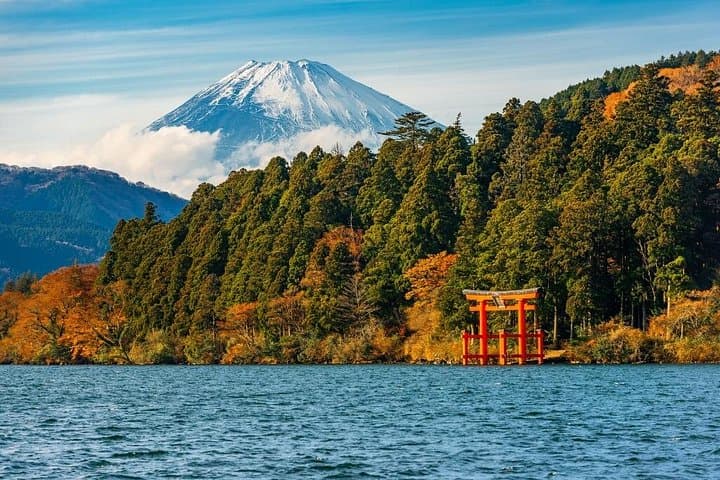
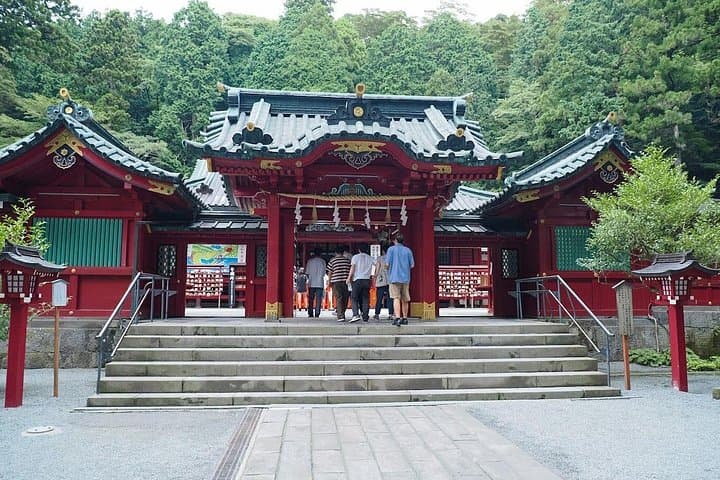
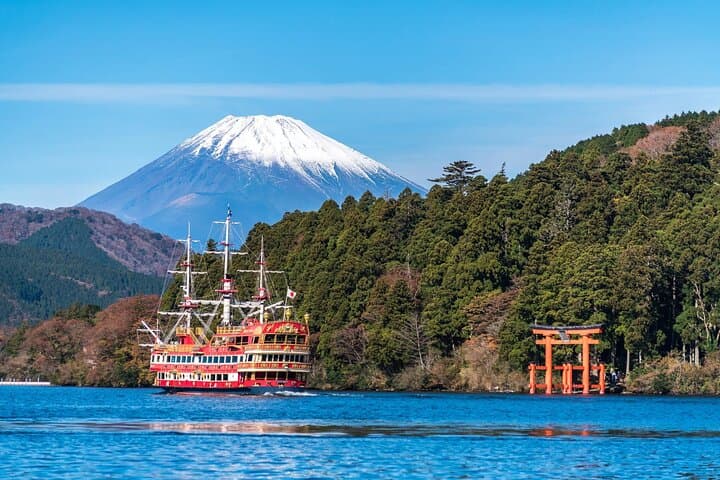
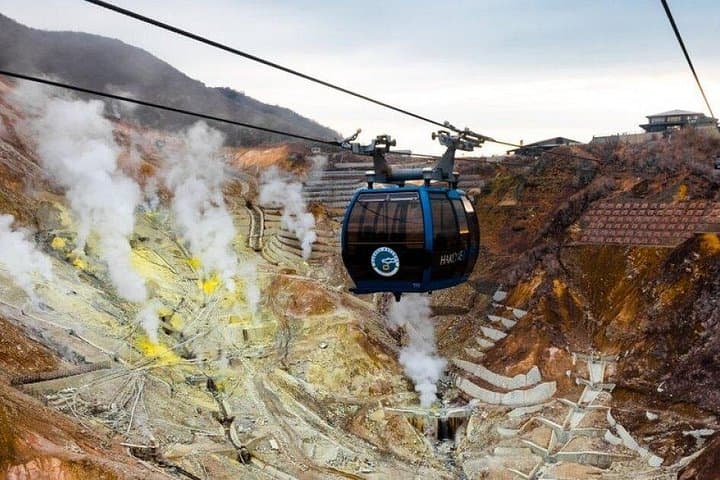
You arrive in Hakone as the road drops through cedar forests and the air shifts from Tokyo's traffic to a cooler mountain hush. Lake Ashi opens like a wide, reflective bowl; the torii at Hakone Shrine stands half in water, daring you to find Mount Fuji in its surface. The ropeway lifts you over sulfur-scented vents at Owakudani where steam pushes across the sky, and the Open-Air Museum punctuates a mountain ridge with bold sculptures and unexpected indoor galleries.
You arrive in Hakone as the road drops through cedar forests and the air shifts from Tokyo's traffic to a cooler mountain hush. Lake Ashi opens like a wide, reflective bowl; the torii at Hakone Shrine stands half in water, daring you to find Mount Fuji in its surface. The ropeway lifts you over sulfur-scented vents at Owakudani where steam pushes across the sky, and the Open-Air Museum punctuates a mountain ridge with bold sculptures and unexpected indoor galleries.
Hakone sits on the flanks of the volcanically active Hakone caldera, a landscape shaped by eruptions tens of thousands of years ago and still defined by hot springs and fumaroles. The shrine on Ashinoko’s shore dates back to the 8th century and speaks to a long regional tradition of mountain worship and geothermal bathing. Locals balance tourism with onsen culture; you’ll see craft workshops and tea houses that reflect Kanagawa’s provincial arts.
Practical guidance: this private tour is driven in an air-conditioned car and is easily customizable, but expect short walks, stairs at shrine sites, and sulfur fumes at Owakudani that some visitors find irritating. Buy ropeway or pirate-ship cruise tickets on the spot as described, and budget time for museum admission. Bring layered clothing for sudden wind on the ropeway, a mask or scarf if you’re sensitive to volcanic gases, and comfortable shoes for gravel and paved paths. Aim for early departures to catch clearer views of Mount Fuji and less crowded minutes at key viewpoints.