THE ADVENTURE COLLECTIVE® · Independent discovery and booking for outdoor travel

Spend a full day exploring two of the Great Wall’s most visited sections — climb historic Badaling and hike the watchtowers of Mutianyu with private transport and a local guide. Practical tips on routes, timing, and what to bring.
Spend a full day exploring two of the Great Wall’s most visited sections — climb historic Badaling and hike the watchtowers of Mutianyu with private transport and a local guide. Practical tips on routes, timing, and what to bring.
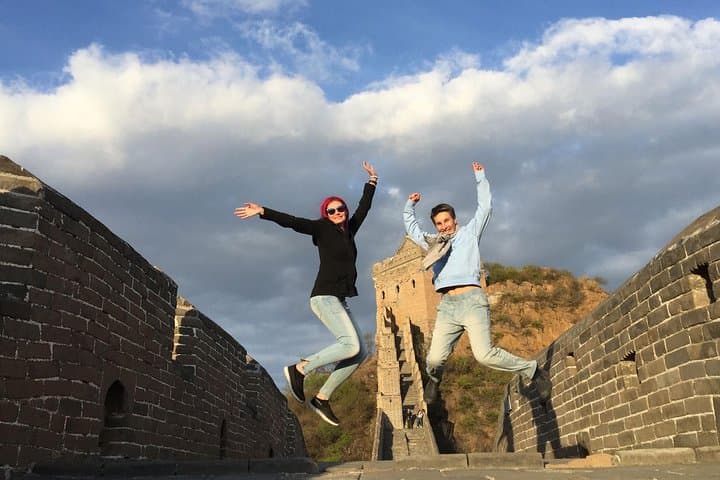
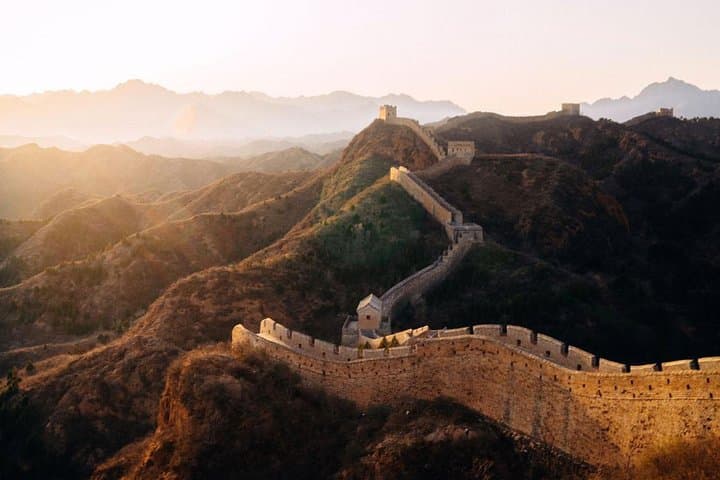
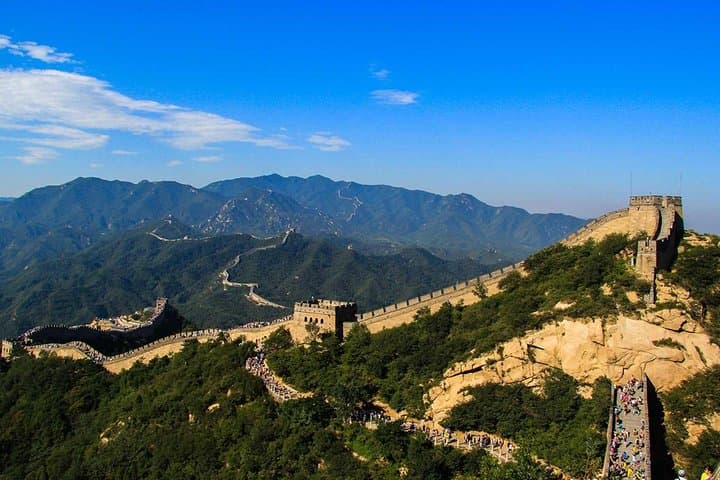
A cool morning in Beijing sees a private vehicle slide out of the city and up toward stone that climbs the horizon; wind-edged towers punctuate ridgelines as the driver drops you at Badaling's restored stairways. The first steps are brisk — broad, steep, machine-straight sections built for defense and now for visitors — where the Wall's scale and the surrounding mountains set the day’s rhythm.
Verified experiences and guided adventures in the surrounding area.
Operated by Great Wall Day Tours · Beijing, Beijing
A cool morning in Beijing sees a private vehicle slide out of the city and up toward stone that climbs the horizon; wind-edged towers punctuate ridgelines as the driver drops you at Badaling's restored stairways. The first steps are brisk — broad, steep, machine-straight sections built for defense and now for visitors — where the Wall's scale and the surrounding mountains set the day’s rhythm.
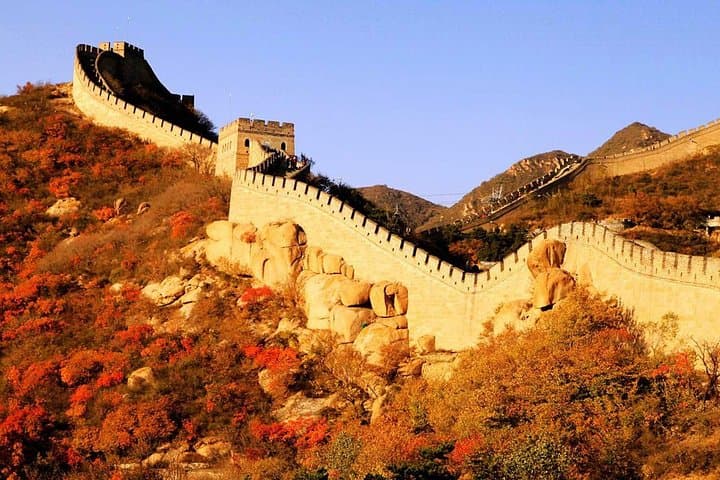
The route moves from Badaling's reconstructed military architecture to Mutianyu's more forested flanks. Mutianyu keeps its Ming-period backbone and denser watchtower spacing; granite blocks, mortar lines and exposed foundation tell a layered story of labor, local stone, and frontier strategy. Between the walls you’ll notice secondary ridges, scrub pine and terraces that once fed garrison posts; local guides often point out Juyongguan pass as a key choke point in imperial logistics.
Culturally, the stretch reflects centuries of frontier life and modern conservation efforts — restored battlements sit beside less-altered masonry where erosion and visitor impact are visible.
Practically, expect a full day: hotel pickup in Beijing, photo stops at Juyongguan, 1–2 hours of walking at each Great Wall section, a local lunch, and optional cable-car or toboggan rides at Mutianyu (pay onsite). Wear sturdy shoes, bring layered clothing for wind and sun, hydrate frequently and plan for uneven steps and steep climbs. Guides handle permits and tickets, but pacing and altitude on ridgelines are your responsibility — take your time on the steeper stretches and focus on footing when the Wall narrows.
moderate.
8–9 hours.
Moderate fitness: expect multiple stair climbs, uneven terrain, and walking up to several kilometers across wall sections.
Yes — the tour includes entrance ticket fees for the Great Wall sections visited as noted in the tour inclusions.
Yes — private transportation includes pickup and drop-off from Beijing downtown hotels; confirm your pickup location when booking.
Yes — cable car, chairlift, and slideway options are available at Mutianyu but are paid on the spot and optional.
Expect 1–2 hours of walking at each section with steep stairs and uneven footing; participants should be comfortable with sustained stair climbing.
Badaling and Mutianyu date to the Ming dynasty restorations and served strategic roles; Badaling was heavily restored mid-20th century as a showpiece, while Mutianyu retains denser original watchtower placements.
Ongoing conservation balances restoration with natural erosion control; stay on marked paths, avoid removing stones, and follow guide directions to minimize impact.
Great Wall Day Tours operates guided outdoor trips and adventures with an emphasis on safety, stewardship, and memorable experiences.
A cool morning in Beijing sees a private vehicle slide out of the city and up toward stone that climbs the horizon; wind-edged towers punctuate ridgelines as the driver drops you at Badaling's restored stairways. The first steps are brisk — broad, steep, machine-straight sections built for defense and now for visitors — where the Wall's scale and the surrounding mountains set the day’s rhythm.
A cool morning in Beijing sees a private vehicle slide out of the city and up toward stone that climbs the horizon; wind-edged towers punctuate ridgelines as the driver drops you at Badaling's restored stairways. The first steps are brisk — broad, steep, machine-straight sections built for defense and now for visitors — where the Wall's scale and the surrounding mountains set the day’s rhythm.
The route moves from Badaling's reconstructed military architecture to Mutianyu's more forested flanks. Mutianyu keeps its Ming-period backbone and denser watchtower spacing; granite blocks, mortar lines and exposed foundation tell a layered story of labor, local stone, and frontier strategy. Between the walls you’ll notice secondary ridges, scrub pine and terraces that once fed garrison posts; local guides often point out Juyongguan pass as a key choke point in imperial logistics.
Culturally, the stretch reflects centuries of frontier life and modern conservation efforts — restored battlements sit beside less-altered masonry where erosion and visitor impact are visible.
Practically, expect a full day: hotel pickup in Beijing, photo stops at Juyongguan, 1–2 hours of walking at each Great Wall section, a local lunch, and optional cable-car or toboggan rides at Mutianyu (pay onsite). Wear sturdy shoes, bring layered clothing for wind and sun, hydrate frequently and plan for uneven steps and steep climbs. Guides handle permits and tickets, but pacing and altitude on ridgelines are your responsibility — take your time on the steeper stretches and focus on footing when the Wall narrows.