THE ADVENTURE COLLECTIVE® · Independent discovery and booking for outdoor travel

A private six-hour circuit of Doha that pairs the National Museum’s striking architecture with the bustle of Souq Waqif, Corniche vistas and photo stops at Katara and The Pearl. Ideal for first-time visitors who want a compact, contextual tour of the city’s past and present.
A private six-hour circuit of Doha that pairs the National Museum’s striking architecture with the bustle of Souq Waqif, Corniche vistas and photo stops at Katara and The Pearl. Ideal for first-time visitors who want a compact, contextual tour of the city’s past and present.
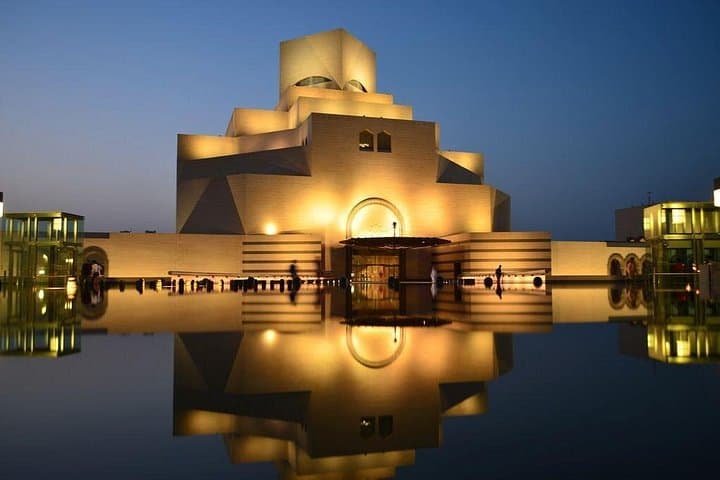
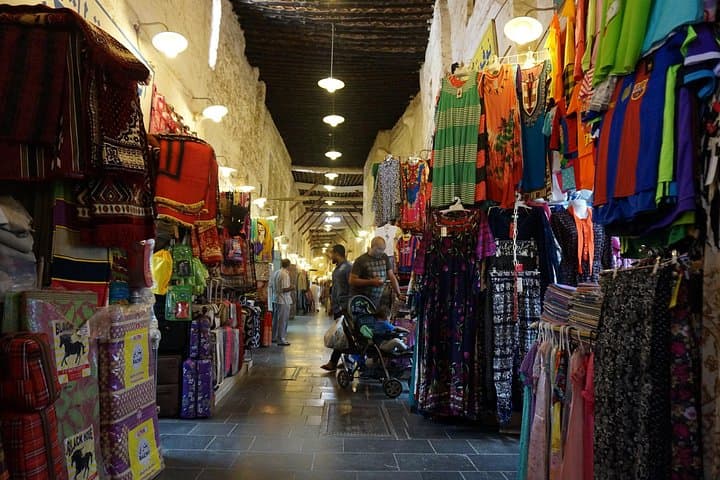
You arrive at the Corniche as the Persian Gulf presses a cool edge against Doha’s promenade — the skyline rising like stacked glass and sand. On this private six-hour loop through the city, an air‑conditioned vehicle ferries you between architectural statements and living markets: the disk-like curves of the National Museum, the low-slung charms of Souq Waqif, polished photo stops along the Corniche, and a glimpse of The Pearl’s artificial marinas and Katara’s cultural precinct.
Verified experiences and guided adventures in the surrounding area.
Operated by Travel Designer WLL · Doha, Doha
You arrive at the Corniche as the Persian Gulf presses a cool edge against Doha’s promenade — the skyline rising like stacked glass and sand. On this private six-hour loop through the city, an air‑conditioned vehicle ferries you between architectural statements and living markets: the disk-like curves of the National Museum, the low-slung charms of Souq Waqif, polished photo stops along the Corniche, and a glimpse of The Pearl’s artificial marinas and Katara’s cultural precinct.
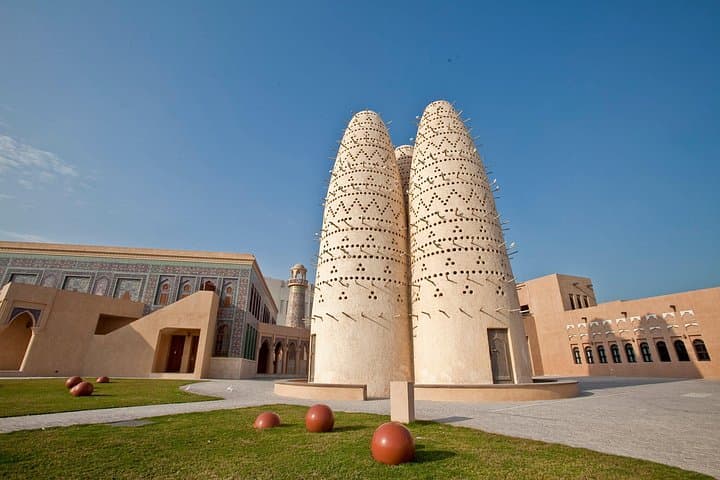
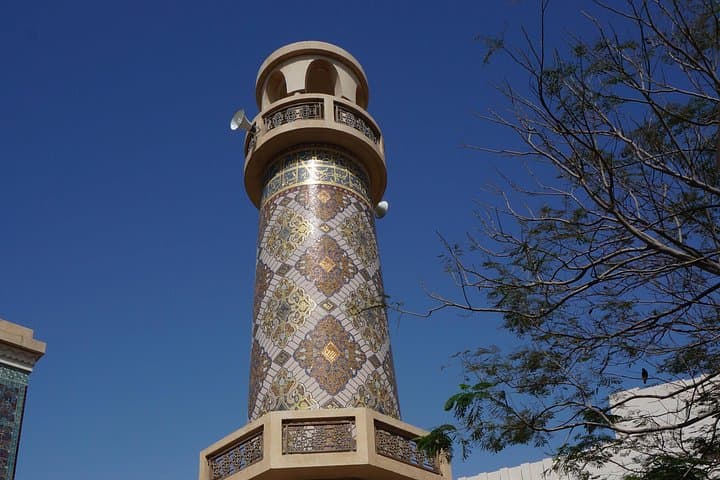
Qatar’s story is visible in layers: coastal dunes and sedimentary limestone underlie the modern city, while pearling and trade carved Doha’s early wealth. The National Museum traces that arc with desert-rose inspired volumes; Souq Waqif keeps traditional crafts, falconry and spice trade alive; Katara stages contemporary culture beside Ottoman‑style arcades. Local life is tactile — tea steaming in narrow alleys, the call of vendors, yachts catching afternoon light — and guides often point out how rapid oil-era development reshaped shorelines and ecosystems.
Practical guide: expect mostly short, flat walks and timed museum stops (roughly 60 minutes at major sites). One museum entrance fee is included; bring a printed or mobile voucher to hand to your driver. Dress smart casual and modestly in public spaces, and carry sunscreen and a refillable water bottle — Doha’s sun can be unrelenting. Plan morning or late‑afternoon departures to avoid peak heat; museums and the Corniche photograph best in golden light. Mobility needs are generally low-impact, but check accessibility at older souq alleys. Tip local guides for good service and keep plastic use to a minimum to protect fragile coastal habitats.
easy.
6 hours.
Suitable for most fitness levels; involves short periods of walking and standing inside markets and museums.
The tour includes one museum entrance fee; your voucher and itinerary list which museum is covered—confirm with the operator if you want a different site.
Pickups are arranged at central Doha locations or hotels; you provide a preferred pickup point when booking and hand the voucher to the driver on arrival.
Yes; the activity level is easy. Infants must sit on an adult’s lap per operator policy—bring any necessary baby supplies.
Smart casual with modest coverage in public and cultural sites; avoid sleeveless tops and short skirts inside religious or traditional spaces out of respect.
Doha grew from a pearling and trading port; oil wealth transformed it rapidly in the mid‑20th century, producing the modern skyline you see today.
Coastal development and high water use stress local ecosystems; visitors should minimize plastic waste, stick to marked areas, and support protected site rules.
Travel Designer WLL operates guided outdoor trips and adventures with an emphasis on safety, stewardship, and memorable experiences.
You arrive at the Corniche as the Persian Gulf presses a cool edge against Doha’s promenade — the skyline rising like stacked glass and sand. On this private six-hour loop through the city, an air‑conditioned vehicle ferries you between architectural statements and living markets: the disk-like curves of the National Museum, the low-slung charms of Souq Waqif, polished photo stops along the Corniche, and a glimpse of The Pearl’s artificial marinas and Katara’s cultural precinct.
You arrive at the Corniche as the Persian Gulf presses a cool edge against Doha’s promenade — the skyline rising like stacked glass and sand. On this private six-hour loop through the city, an air‑conditioned vehicle ferries you between architectural statements and living markets: the disk-like curves of the National Museum, the low-slung charms of Souq Waqif, polished photo stops along the Corniche, and a glimpse of The Pearl’s artificial marinas and Katara’s cultural precinct.
Qatar’s story is visible in layers: coastal dunes and sedimentary limestone underlie the modern city, while pearling and trade carved Doha’s early wealth. The National Museum traces that arc with desert-rose inspired volumes; Souq Waqif keeps traditional crafts, falconry and spice trade alive; Katara stages contemporary culture beside Ottoman‑style arcades. Local life is tactile — tea steaming in narrow alleys, the call of vendors, yachts catching afternoon light — and guides often point out how rapid oil-era development reshaped shorelines and ecosystems.
Practical guide: expect mostly short, flat walks and timed museum stops (roughly 60 minutes at major sites). One museum entrance fee is included; bring a printed or mobile voucher to hand to your driver. Dress smart casual and modestly in public spaces, and carry sunscreen and a refillable water bottle — Doha’s sun can be unrelenting. Plan morning or late‑afternoon departures to avoid peak heat; museums and the Corniche photograph best in golden light. Mobility needs are generally low-impact, but check accessibility at older souq alleys. Tip local guides for good service and keep plastic use to a minimum to protect fragile coastal habitats.