THE ADVENTURE COLLECTIVE® · Independent discovery and booking for outdoor travel

Spend a day moving from the winding markets of Old Delhi to the wide avenues of New Delhi with a private chauffeur and guide. This full-day tour combines Mughal-era monuments, colonial architecture, and lively street life into an eight-hour introduction to the capital.
Spend a day moving from the winding markets of Old Delhi to the wide avenues of New Delhi with a private chauffeur and guide. This full-day tour combines Mughal-era monuments, colonial architecture, and lively street life into an eight-hour introduction to the capital.
You step from an air-conditioned car into a corridor of sound: bicycle bells, temple bells, hawkers calling, steam rising from roadside jalebi stalls. The streets of Old Delhi push and pull at your pace—Chandni Chowk’s lanes urge you to slow, Jama Masjid frames the sky, and the Red Fort’s red sandstone walls anchor the scene.
Verified experiences and guided adventures in the surrounding area.
Operated by India Golden Triangle Tour · New Delhi, Delhi
You step from an air-conditioned car into a corridor of sound: bicycle bells, temple bells, hawkers calling, steam rising from roadside jalebi stalls. The streets of Old Delhi push and pull at your pace—Chandni Chowk’s lanes urge you to slow, Jama Masjid frames the sky, and the Red Fort’s red sandstone walls anchor the scene.
This route follows two layers of the city’s story. Old Delhi, founded as Shahjahanabad in 1639, bears Mughal planning in its mosques, gateways and bazaars. New Delhi, laid out by British architects in the early 20th century, trades tight alleys for broad avenues, India Gate’s stone arch and Lutyens-era government buildings. Geology appears in building materials: red sandstone and marble from nearby quarries, and later colonial sandstone façades that weather the monsoon.
Culturally the city is loud and deliberate—street food cooks with precision, priests and shopkeepers keep tempo, and every corner rewards curiosity with small rituals and crafts.
Practical guidance: this private tour covers both districts in about eight hours with hotel pickup and drop-off. Expect several security checks and walking on uneven, sometimes crowded surfaces; comfortable shoes and modest clothing are advisable for religious sites. Entrance fees are generally not included; confirm which monuments you wish to enter. Carry a refillable water bottle, local cash for small purchases, and a copy of your ID for entry at official sites. Aim for a morning start to avoid the hottest hours and to catch the markets at full pace.
The tour is a compact primer on Delhi—organized transport plus a guide removes much of the friction, leaving space to pay attention and move at your own tempo.
easy.
8 hours.
Light walking stamina required; able to navigate stairs, uneven pavements and crowded markets
Yes—hotel or airport pickup and drop-off within Delhi is included as part of the private full-day service.
No—most entrance fees are not included; confirm at booking which sites you plan to enter so the operator can advise costs.
Guides commonly speak English and Hindi; request a specific language at booking to ensure availability.
Generally yes—it's classified as easy, but expect walking, crowds, and security checks; notify the operator of mobility needs in advance.
Old Delhi was founded as Shahjahanabad in 1639 under Mughal rule; New Delhi was planned and built by British architects in the early 20th century as the imperial capital.
High visitor volume stresses narrow bazaar lanes and heritage sites—carry out waste, avoid single-use plastics, and follow site rules to protect fragile monuments.
India Golden Triangle Tour operates guided outdoor trips and adventures with an emphasis on safety, stewardship, and memorable experiences.
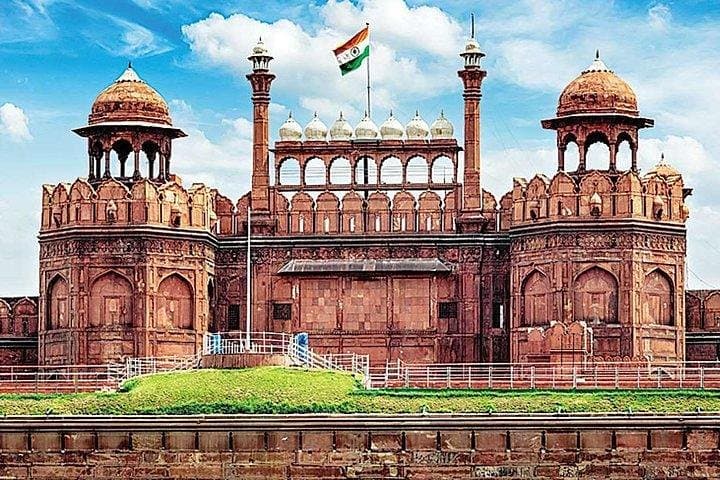
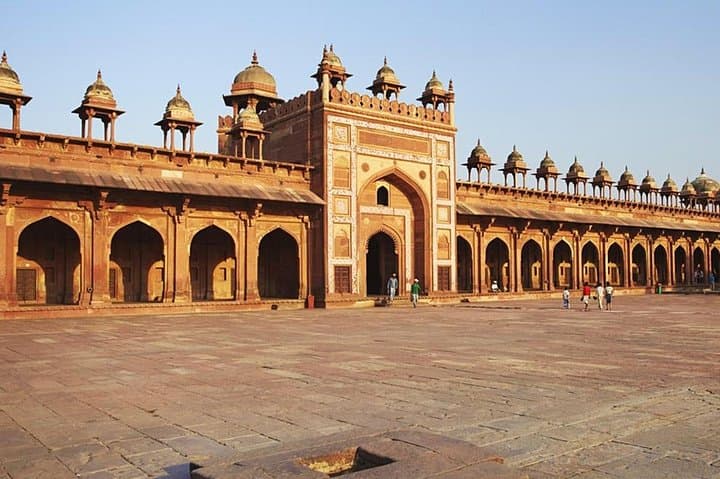
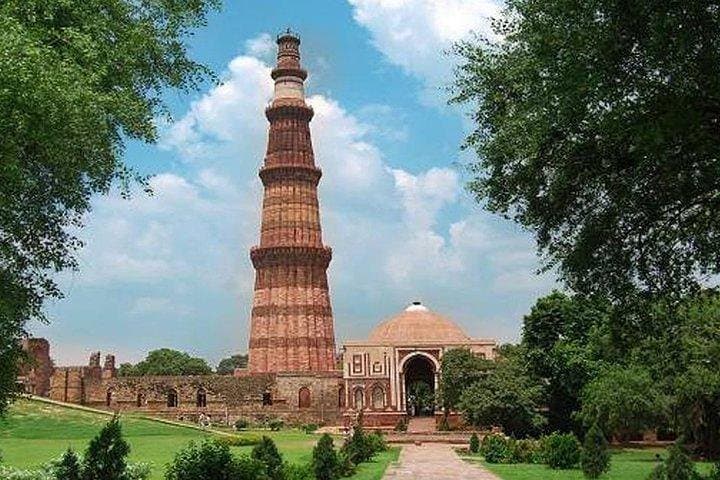

You step from an air-conditioned car into a corridor of sound: bicycle bells, temple bells, hawkers calling, steam rising from roadside jalebi stalls. The streets of Old Delhi push and pull at your pace—Chandni Chowk’s lanes urge you to slow, Jama Masjid frames the sky, and the Red Fort’s red sandstone walls anchor the scene.
You step from an air-conditioned car into a corridor of sound: bicycle bells, temple bells, hawkers calling, steam rising from roadside jalebi stalls. The streets of Old Delhi push and pull at your pace—Chandni Chowk’s lanes urge you to slow, Jama Masjid frames the sky, and the Red Fort’s red sandstone walls anchor the scene.
This route follows two layers of the city’s story. Old Delhi, founded as Shahjahanabad in 1639, bears Mughal planning in its mosques, gateways and bazaars. New Delhi, laid out by British architects in the early 20th century, trades tight alleys for broad avenues, India Gate’s stone arch and Lutyens-era government buildings. Geology appears in building materials: red sandstone and marble from nearby quarries, and later colonial sandstone façades that weather the monsoon.
Culturally the city is loud and deliberate—street food cooks with precision, priests and shopkeepers keep tempo, and every corner rewards curiosity with small rituals and crafts.
Practical guidance: this private tour covers both districts in about eight hours with hotel pickup and drop-off. Expect several security checks and walking on uneven, sometimes crowded surfaces; comfortable shoes and modest clothing are advisable for religious sites. Entrance fees are generally not included; confirm which monuments you wish to enter. Carry a refillable water bottle, local cash for small purchases, and a copy of your ID for entry at official sites. Aim for a morning start to avoid the hottest hours and to catch the markets at full pace.
The tour is a compact primer on Delhi—organized transport plus a guide removes much of the friction, leaving space to pay attention and move at your own tempo.