THE ADVENTURE COLLECTIVE® · Independent discovery and booking for outdoor travel

Cycle the Cape Peninsula from Chapman’s Peak to Cape Point and Boulders Beach on a private full‑day ride. Expect coastal climbs, fynbos-clad ridges, and close encounters with baboons and penguins.
Cycle the Cape Peninsula from Chapman’s Peak to Cape Point and Boulders Beach on a private full‑day ride. Expect coastal climbs, fynbos-clad ridges, and close encounters with baboons and penguins.
Morning light slices across the Atlantic Seaboard as you clip into pedals and roll south from the waterfront. The road narrows; Chapman’s Peak cliffs press to your left and the ocean dares you to look away. Wind carries the scent of kelp and wild fynbos while you climb toward the lighthouse at Cape Point — granite and sandstone cliffs marking the continent’s edge.
Verified experiences and guided adventures in the surrounding area.
Operated by ILIOS Travel · Cape Town, Western Cape
Morning light slices across the Atlantic Seaboard as you clip into pedals and roll south from the waterfront. The road narrows; Chapman’s Peak cliffs press to your left and the ocean dares you to look away. Wind carries the scent of kelp and wild fynbos while you climb toward the lighthouse at Cape Point — granite and sandstone cliffs marking the continent’s edge.
This route traces centuries of maritime history. Early Portuguese navigators rounded the promontory here, and the 19th‑century lighthouse stands where sailors once scanned for danger. Geologically the headland is part of the Cape Fold Belt: folded quartzitic sandstones that form steep ridgelines and sheltered bays where endemic fynbos thrives. The culture along the route shifts from the bohemian quiet of Noordhoek to the naval rhythms of Simon’s Town and the small communities that steward penguin colonies at Boulders Beach.
On this private full‑day ride expect mixed terrain: quiet paved park roads, compacted gravel tracks and short, punchy climbs. Distances are adaptable up to about 30 km in the reserve with cumulative elevation that can feel harder in the coastal wind. Guides supply safety gear and support vehicle access for non‑cyclists.
Practical notes: start early to avoid the afternoon gale, carry layered wind protection, hydrate frequently, and respect wildlife — baboons and penguins are protected and should never be fed or approached. If you want to swim, bring a towel and check tides; the wooden boardwalks around the penguin colony keep disturbance low. This is a day of steady effort rewarded by sweeping ocean views, close wildlife encounters and a clear sense of Cape maritime life.
moderate.
9 hours.
Good aerobic base and leg strength for repeated climbs and up to 30 km of mixed road and gravel riding
Yes — helmets and basic safety gear are supplied, but you may bring your own helmet for fit and comfort.
Cycling distance in the reserve is adjustable up to about 30 km; guides tailor the route to fitness and preference, including vehicle support for non‑cyclists.
Yes, time and tide permitting; bring your own towel as guests should provide personal swim gear.
Children must be at least 110 cm tall to cycle; infants options and child seats may be available — check when booking.
The Cape Point area was a critical waypoint for early European sailors; the lighthouse and tidal hazards shaped global maritime routes in the Age of Sail.
The reserve protects fragile fynbos and coastal ecosystems; staying on trails, avoiding feeding wildlife and observing boardwalk rules helps minimize visitor impact.
ILIOS Travel operates guided outdoor trips and adventures with an emphasis on safety, stewardship, and memorable experiences.
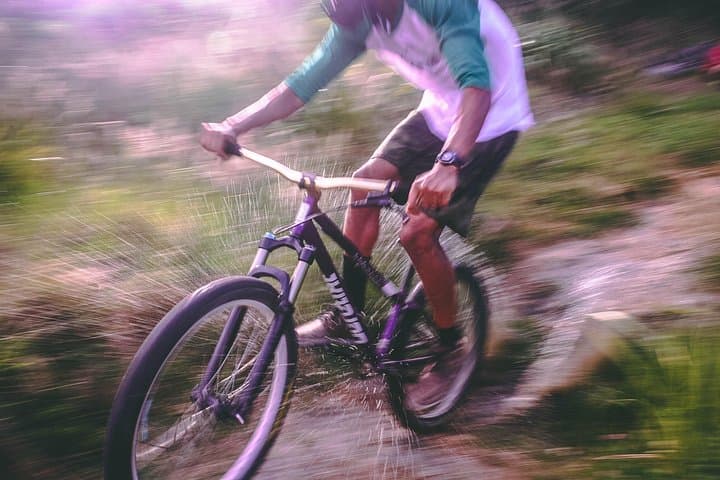
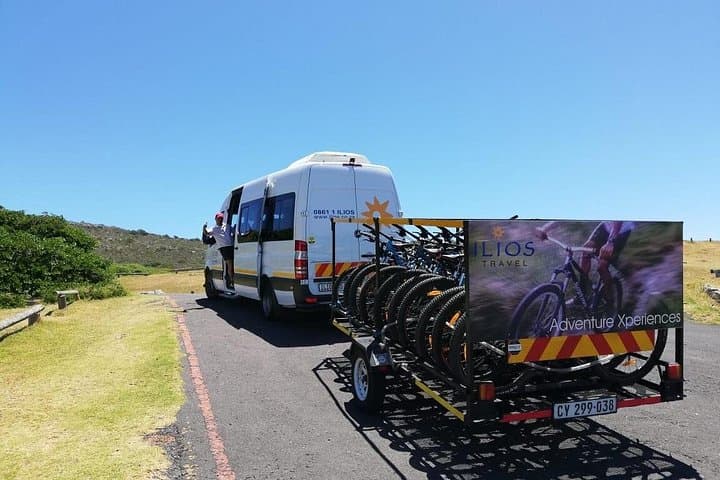
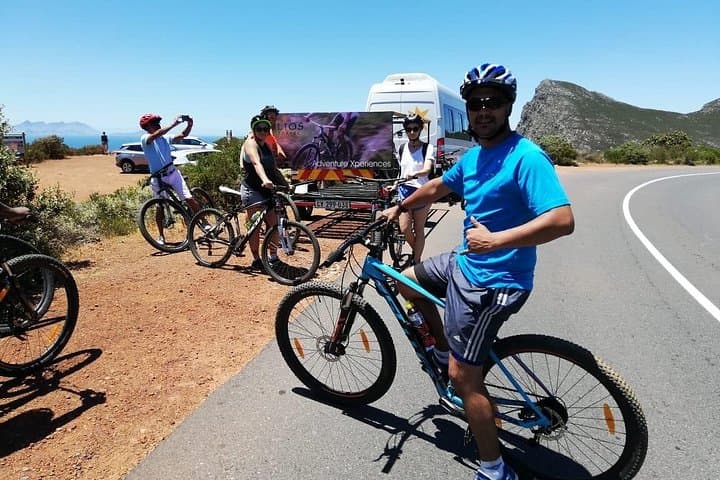
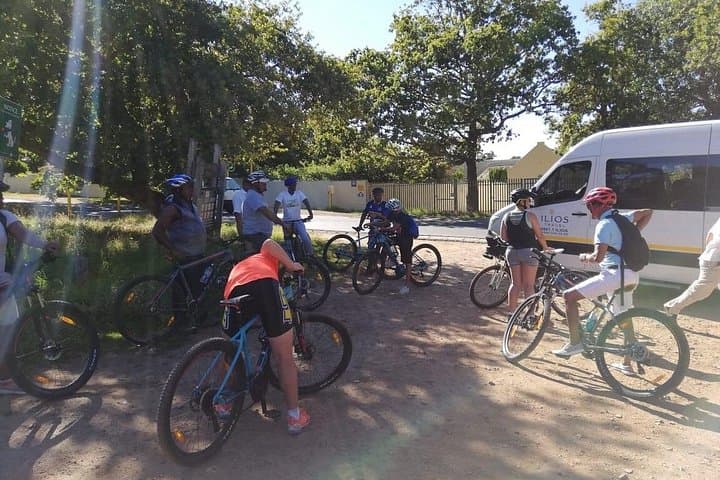
Morning light slices across the Atlantic Seaboard as you clip into pedals and roll south from the waterfront. The road narrows; Chapman’s Peak cliffs press to your left and the ocean dares you to look away. Wind carries the scent of kelp and wild fynbos while you climb toward the lighthouse at Cape Point — granite and sandstone cliffs marking the continent’s edge.
Morning light slices across the Atlantic Seaboard as you clip into pedals and roll south from the waterfront. The road narrows; Chapman’s Peak cliffs press to your left and the ocean dares you to look away. Wind carries the scent of kelp and wild fynbos while you climb toward the lighthouse at Cape Point — granite and sandstone cliffs marking the continent’s edge.
This route traces centuries of maritime history. Early Portuguese navigators rounded the promontory here, and the 19th‑century lighthouse stands where sailors once scanned for danger. Geologically the headland is part of the Cape Fold Belt: folded quartzitic sandstones that form steep ridgelines and sheltered bays where endemic fynbos thrives. The culture along the route shifts from the bohemian quiet of Noordhoek to the naval rhythms of Simon’s Town and the small communities that steward penguin colonies at Boulders Beach.
On this private full‑day ride expect mixed terrain: quiet paved park roads, compacted gravel tracks and short, punchy climbs. Distances are adaptable up to about 30 km in the reserve with cumulative elevation that can feel harder in the coastal wind. Guides supply safety gear and support vehicle access for non‑cyclists.
Practical notes: start early to avoid the afternoon gale, carry layered wind protection, hydrate frequently, and respect wildlife — baboons and penguins are protected and should never be fed or approached. If you want to swim, bring a towel and check tides; the wooden boardwalks around the penguin colony keep disturbance low. This is a day of steady effort rewarded by sweeping ocean views, close wildlife encounters and a clear sense of Cape maritime life.