THE ADVENTURE COLLECTIVE® · Independent discovery and booking for outdoor travel

Taste Crete’s countryside on a private full-day tour that pairs olive oil and family wine tastings with short walks through gorges, mountain villages, and a seaside stop. Practical and sensory, it’s an accessible way to learn how the island eats.
Taste Crete’s countryside on a private full-day tour that pairs olive oil and family wine tastings with short walks through gorges, mountain villages, and a seaside stop. Practical and sensory, it’s an accessible way to learn how the island eats.
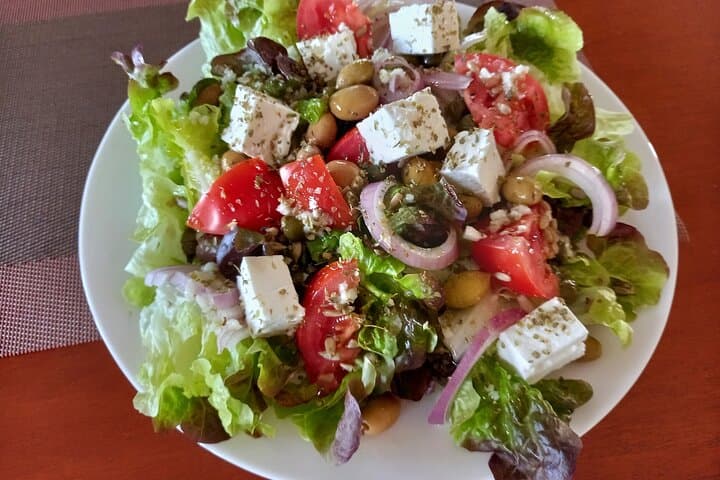
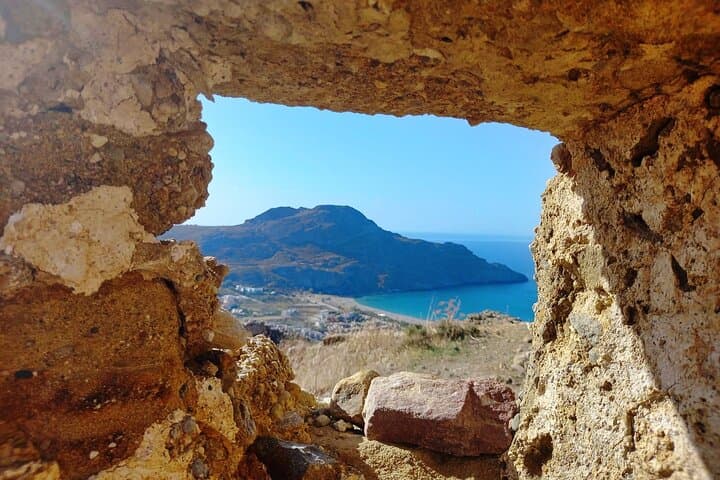
You drive south from the low ridges into a light that feels sharper — olive groves flame silver, the Libyan Sea below daring you to look. A private van eases through terraced slopes, then stops at a mountain home where the aroma of frying herbs and warm dough fills the air. This is a day built around flavors: olive oil tasted from small cruets, family wines sampled by the glass, and a kitchen where stories come with the meal.
Verified experiences and guided adventures in the surrounding area.
Operated by Travelease · Rethymnon, Crete
You drive south from the low ridges into a light that feels sharper — olive groves flame silver, the Libyan Sea below daring you to look. A private van eases through terraced slopes, then stops at a mountain home where the aroma of frying herbs and warm dough fills the air. This is a day built around flavors: olive oil tasted from small cruets, family wines sampled by the glass, and a kitchen where stories come with the meal.
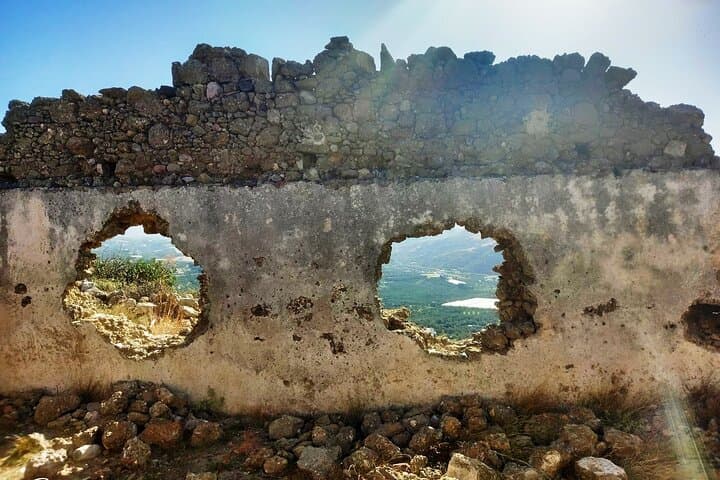
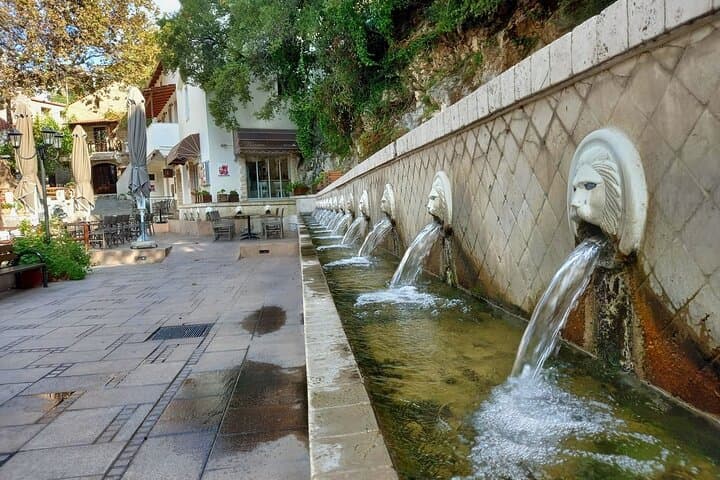
Crete’s culinary identity is as old as its stone terraces and Minoan ruins: olives and grapes have shaped its economy and table for millennia. Geology here is dramatic — limestone gorges carve the southern coast and shelter microclimates where palms, herbs and vines thrive. You’ll visit Spili’s spring-fed fountains, peer into Kourtaliotiko Gorge where cliffs hollow the breeze, and pause at a monastery whose gardens still hum with bees and monk-made honey.
Practically, expect a mix of short village walks and seated tastings across a 5–8 hour day. The tour balances coastal views and inland simplicity: arrive hungry, bring a reusable water bottle, and wear stable shoes for steps and cobbled lanes. Timing matters — mornings are cooler and wineries can be quieter; summer afternoons can be hot, making seaside stops the perfect refresh. Cash helps for small purchases; dietary requests are usually accommodated if noted in advance. By evening you’ll have tasted the island’s backbone: oil, wine, and the slow conversation of Cretan hospitality.
easy.
5–8 hours.
Suitable for most fitness levels; involves short uphill walks, steps and standing during tastings.
Yes—private tours typically include pickup from hotels in the general region when arranged in advance; specify your pickup point at booking.
Hosts are usually happy to adjust dishes and provide vegetarian or allergy-friendly options if you note requirements when booking.
The tour is family-friendly; the listing notes stroller access and infant seats are available, though some sites have steps.
Most tastings are included in organized tours, but small family wineries or monastery shops may suggest purchases rather than charge admissions.
Olive oil and wine production on Crete date back to Minoan times; terraces and ancient presses are part of the island’s long agricultural continuity.
Water scarcity and coastal pressures make low-impact travel important—pack out trash, favor local producers, and avoid disturbing nesting turtles and fragile gorge vegetation.
Travelease operates guided outdoor trips and adventures with an emphasis on safety, stewardship, and memorable experiences.
You drive south from the low ridges into a light that feels sharper — olive groves flame silver, the Libyan Sea below daring you to look. A private van eases through terraced slopes, then stops at a mountain home where the aroma of frying herbs and warm dough fills the air. This is a day built around flavors: olive oil tasted from small cruets, family wines sampled by the glass, and a kitchen where stories come with the meal.
You drive south from the low ridges into a light that feels sharper — olive groves flame silver, the Libyan Sea below daring you to look. A private van eases through terraced slopes, then stops at a mountain home where the aroma of frying herbs and warm dough fills the air. This is a day built around flavors: olive oil tasted from small cruets, family wines sampled by the glass, and a kitchen where stories come with the meal.
Crete’s culinary identity is as old as its stone terraces and Minoan ruins: olives and grapes have shaped its economy and table for millennia. Geology here is dramatic — limestone gorges carve the southern coast and shelter microclimates where palms, herbs and vines thrive. You’ll visit Spili’s spring-fed fountains, peer into Kourtaliotiko Gorge where cliffs hollow the breeze, and pause at a monastery whose gardens still hum with bees and monk-made honey.
Practically, expect a mix of short village walks and seated tastings across a 5–8 hour day. The tour balances coastal views and inland simplicity: arrive hungry, bring a reusable water bottle, and wear stable shoes for steps and cobbled lanes. Timing matters — mornings are cooler and wineries can be quieter; summer afternoons can be hot, making seaside stops the perfect refresh. Cash helps for small purchases; dietary requests are usually accommodated if noted in advance. By evening you’ll have tasted the island’s backbone: oil, wine, and the slow conversation of Cretan hospitality.