THE ADVENTURE COLLECTIVE® · Independent discovery and booking for outdoor travel

Leave Paris for a private day in Champagne: cellar tours, a guided tasting at a major house, and a gourmet regional lunch in Épernay. Expect 90–120 minute drives each way and a seven-hour, insight-rich visit that explains how chalk, climate and craft shape the region’s bubbles.
Leave Paris for a private day in Champagne: cellar tours, a guided tasting at a major house, and a gourmet regional lunch in Épernay. Expect 90–120 minute drives each way and a seven-hour, insight-rich visit that explains how chalk, climate and craft shape the region’s bubbles.
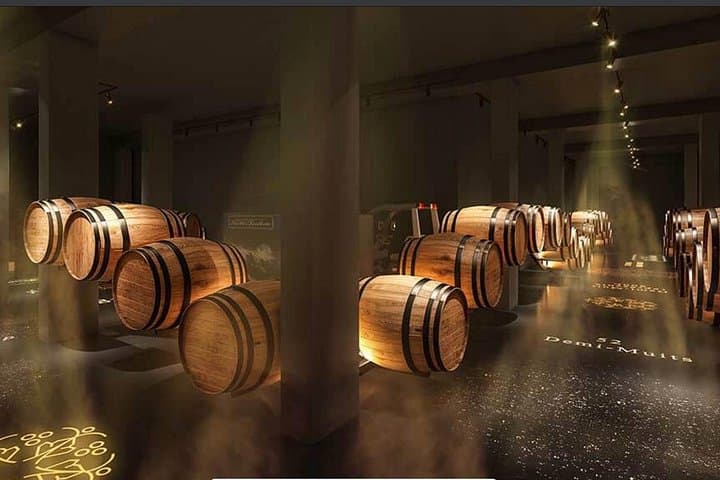
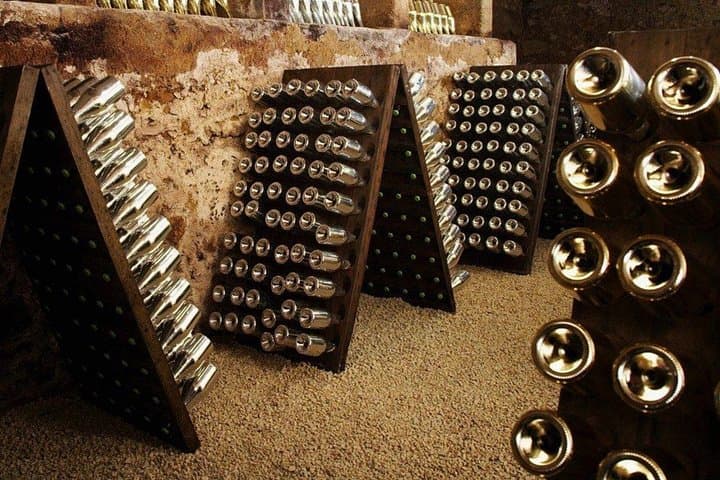
A cool morning in Paris melts into open countryside as an air-conditioned vehicle eases out of the city and into vines rolling toward Épernay. Windows frame rows of pruned vines; the landscape pushes you forward toward limestone slopes that give Champagne its edge. Arrival at a grande maison’s cellars feels like stepping into another rhythm — dim tunnels, racks of bottles sleeping in riddling racks, and the soft hiss of corks at work during tasting.
Verified experiences and guided adventures in the surrounding area.
Operated by Wild Side Tour · Épernay, Grand Est
A cool morning in Paris melts into open countryside as an air-conditioned vehicle eases out of the city and into vines rolling toward Épernay. Windows frame rows of pruned vines; the landscape pushes you forward toward limestone slopes that give Champagne its edge. Arrival at a grande maison’s cellars feels like stepping into another rhythm — dim tunnels, racks of bottles sleeping in riddling racks, and the soft hiss of corks at work during tasting.
Champagne’s history is practical and political: a drink born of imperfect early fermentation, perfected by regional growers and entrepreneurs in the 18th and 19th centuries. Geology matters here — chalk and limestone hold water and heat differently, shaping acidity and minerality that define the region’s wines. The culture is local and exacting: family domaines, cooperages, and houses like Moët or Nicolas Feuillatte balance tradition with modern cellar techniques.
On this private full-day tour expect a guided cellar walk, a tutored tasting that clarifies dosage and style, and a multi-course lunch at a top regional restaurant. Practical tips: wear comfortable, flat shoes for uneven cellar floors, bring photo ID for tastings, and reserve light layers for cool underground temperatures.
Timing is straightforward — roughly 90–120 minutes each way from central Paris and about seven hours total. The experience suits curious travelers who want context with their bubbles: a clear route from vine to glass, and enough local flavor to leave with a deeper appreciation for Champagne’s craft.
easy.
7 hours.
Suitable for most fitness levels; requires short periods of standing and walking on uneven cellar floors
Typical travel time is about 90–120 minutes each way depending on traffic, making the full experience roughly seven hours.
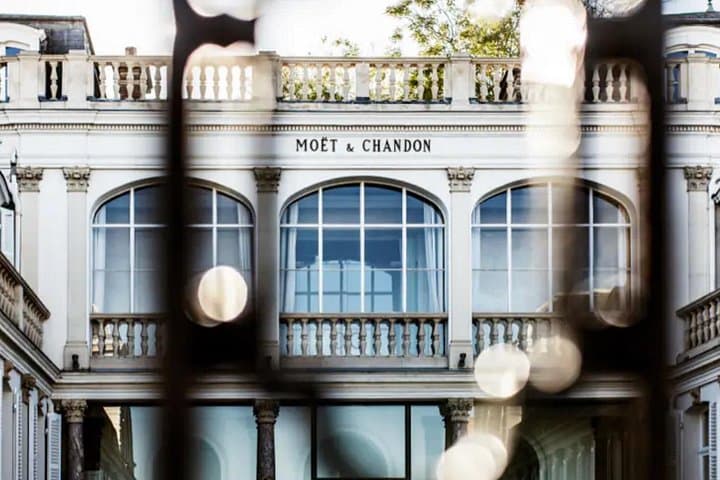
The tour highlights a major maison cellar visit and tasting (Moët & Chandon or similar) and includes a gastronomic lunch in the Épernay area; exact houses may vary by operator.
Yes — the itinerary includes a guided tasting session and a multi-course lunch at a regional gourmet restaurant as stated in the tour inclusions.
Children may join but tastings are for adults; check with the operator about infant seats for vehicle transport and any age restrictions.
Champagne’s rise in the 18th–19th centuries tied to aristocratic demand and advances in bottle fermentation; local houses refined methods that set global standards.
Vineyard practices increasingly emphasize reduced chemical use and soil health; visitors can support sustainable producers and follow leave-no-trace habits in rural areas.
Wild Side Tour operates guided outdoor trips and adventures with an emphasis on safety, stewardship, and memorable experiences.
A cool morning in Paris melts into open countryside as an air-conditioned vehicle eases out of the city and into vines rolling toward Épernay. Windows frame rows of pruned vines; the landscape pushes you forward toward limestone slopes that give Champagne its edge. Arrival at a grande maison’s cellars feels like stepping into another rhythm — dim tunnels, racks of bottles sleeping in riddling racks, and the soft hiss of corks at work during tasting.
A cool morning in Paris melts into open countryside as an air-conditioned vehicle eases out of the city and into vines rolling toward Épernay. Windows frame rows of pruned vines; the landscape pushes you forward toward limestone slopes that give Champagne its edge. Arrival at a grande maison’s cellars feels like stepping into another rhythm — dim tunnels, racks of bottles sleeping in riddling racks, and the soft hiss of corks at work during tasting.
Champagne’s history is practical and political: a drink born of imperfect early fermentation, perfected by regional growers and entrepreneurs in the 18th and 19th centuries. Geology matters here — chalk and limestone hold water and heat differently, shaping acidity and minerality that define the region’s wines. The culture is local and exacting: family domaines, cooperages, and houses like Moët or Nicolas Feuillatte balance tradition with modern cellar techniques.
On this private full-day tour expect a guided cellar walk, a tutored tasting that clarifies dosage and style, and a multi-course lunch at a top regional restaurant. Practical tips: wear comfortable, flat shoes for uneven cellar floors, bring photo ID for tastings, and reserve light layers for cool underground temperatures.
Timing is straightforward — roughly 90–120 minutes each way from central Paris and about seven hours total. The experience suits curious travelers who want context with their bubbles: a clear route from vine to glass, and enough local flavor to leave with a deeper appreciation for Champagne’s craft.