THE ADVENTURE COLLECTIVE® · Independent discovery and booking for outdoor travel

Spend a full day in the Cape Winelands visiting three estates and tasting 12 wines. This private tour pairs cellar insights with sweeping vineyard views and practical tips for a smooth, responsible tasting day.
Spend a full day in the Cape Winelands visiting three estates and tasting 12 wines. This private tour pairs cellar insights with sweeping vineyard views and practical tips for a smooth, responsible tasting day.
Morning light slides across rows of vines as the vehicle eases out of Cape Town toward the folded hills of the Winelands. You step onto a gravel drive framed by Cape Dutch gables and a row of perfectly pruned shiraz and chenin blanc; the guide hands you a tasting sheet and the day unfurls in measured sips and wide views.
Verified experiences and guided adventures in the surrounding area.
Operated by Visit Africa Travel · Stellenbosch, Western Cape
Morning light slides across rows of vines as the vehicle eases out of Cape Town toward the folded hills of the Winelands. You step onto a gravel drive framed by Cape Dutch gables and a row of perfectly pruned shiraz and chenin blanc; the guide hands you a tasting sheet and the day unfurls in measured sips and wide views.
The Cape Winelands—centered on Stellenbosch, Franschhoek and Paarl—have a vinous history stretching back to the 17th century when European settlers planted vineyards on soils of granite, shale and decomposed sandstone. Those soils, combined with a Mediterranean climate, produce powerful cabernets, ethereal sauvignon blancs and South Africa’s signature pinotage. Estate cellars often double as living history: oak barrels, limestone cellars and winemakers eager to explain techniques from stainless fermentation to biodynamic trials.
Expect three curated stops: focused tastings (four wines per estate), a cellar talk, and a lunch break at a vineyard restaurant or nearby bistro. The terrain is gentle—short walks across lawn, gravel paths and low terraces—so mobility is easy but uneven underfoot in places.
Practical edge: the day runs roughly 6–9 hours with hotel pickup; lunch is usually not included. Hydrate between tastings, pace your pours, and carry ID—South African law requires adults for alcohol service. Comfortable shoes, sun protection and a phone with a local SIM will keep the day smooth and sociable. With planning you’ll return with new favorites and a clearer sense of how place shapes a glass.
easy.
6–9 hours.
Minimal fitness required—able to stand for tastings and walk short gravel or lawn sections.
No—lunch is usually not included; the itinerary allows a stop at a scenic estate restaurant or nearby bistro where you can pay on-site.
Yes—guests must be 18+ and present valid government ID or passport to taste alcoholic beverages.
Yes—inform the operator at booking so they can arrange pairings or suggest lunch options that meet your needs.
Round-trip transport from Cape Town-area accommodations is included; you should avoid driving after tastings—use the provided transport or arrange alternative travel.
Viticulture in the Cape dates to the 1600s with Dutch settlers; many estates preserve Cape Dutch architecture and centuries-old vines.
Many wineries in the region practise water-wise irrigation and are adopting organic or biodynamic methods to protect scarce water resources and soil health.
Visit Africa Travel operates guided outdoor trips and adventures with an emphasis on safety, stewardship, and memorable experiences.
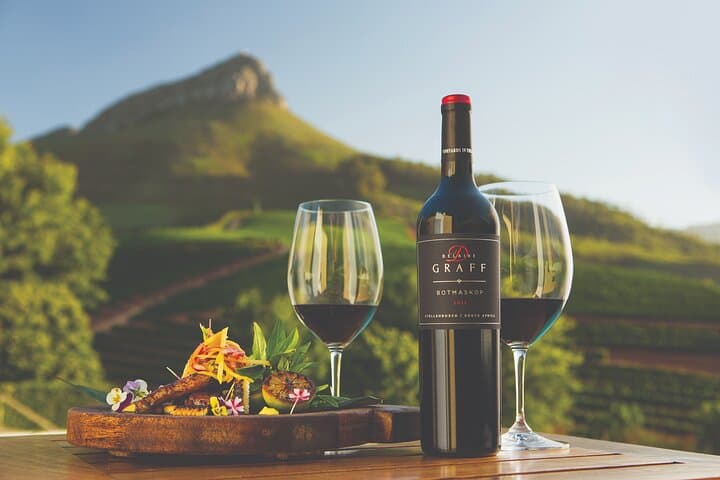
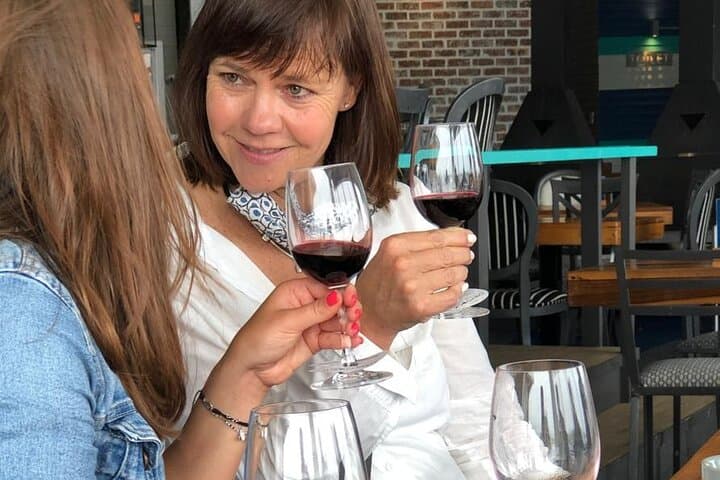
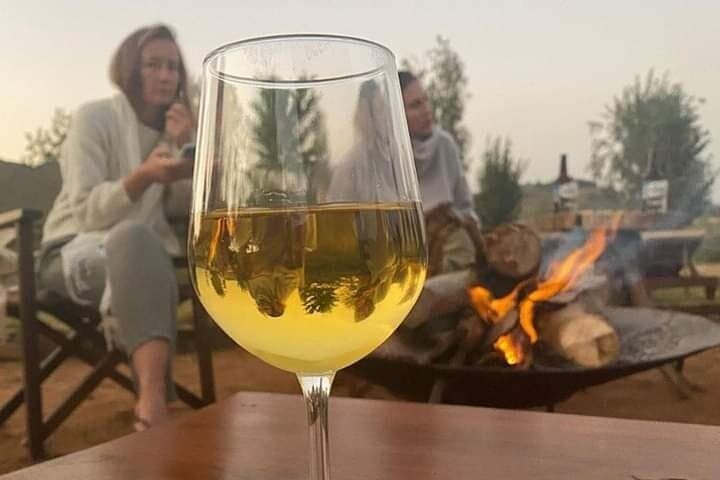

Morning light slides across rows of vines as the vehicle eases out of Cape Town toward the folded hills of the Winelands. You step onto a gravel drive framed by Cape Dutch gables and a row of perfectly pruned shiraz and chenin blanc; the guide hands you a tasting sheet and the day unfurls in measured sips and wide views.
Morning light slides across rows of vines as the vehicle eases out of Cape Town toward the folded hills of the Winelands. You step onto a gravel drive framed by Cape Dutch gables and a row of perfectly pruned shiraz and chenin blanc; the guide hands you a tasting sheet and the day unfurls in measured sips and wide views.
The Cape Winelands—centered on Stellenbosch, Franschhoek and Paarl—have a vinous history stretching back to the 17th century when European settlers planted vineyards on soils of granite, shale and decomposed sandstone. Those soils, combined with a Mediterranean climate, produce powerful cabernets, ethereal sauvignon blancs and South Africa’s signature pinotage. Estate cellars often double as living history: oak barrels, limestone cellars and winemakers eager to explain techniques from stainless fermentation to biodynamic trials.
Expect three curated stops: focused tastings (four wines per estate), a cellar talk, and a lunch break at a vineyard restaurant or nearby bistro. The terrain is gentle—short walks across lawn, gravel paths and low terraces—so mobility is easy but uneven underfoot in places.
Practical edge: the day runs roughly 6–9 hours with hotel pickup; lunch is usually not included. Hydrate between tastings, pace your pours, and carry ID—South African law requires adults for alcohol service. Comfortable shoes, sun protection and a phone with a local SIM will keep the day smooth and sociable. With planning you’ll return with new favorites and a clearer sense of how place shapes a glass.