THE ADVENTURE COLLECTIVE® · Independent discovery and booking for outdoor travel

A private full‑day transfer from Zeebrugge brings you to Brussels’ essentials: Atomium, Grand Place, Manneken Pis, and hidden corners like the comic‑strip murals and Sablon. This guided loop combines short walks with informative stops ideal for cruise passengers on a tight schedule.
A private full‑day transfer from Zeebrugge brings you to Brussels’ essentials: Atomium, Grand Place, Manneken Pis, and hidden corners like the comic‑strip murals and Sablon. This guided loop combines short walks with informative stops ideal for cruise passengers on a tight schedule.
A morning breeze from the North Sea follows the coach as it leaves Zeebrugge and pushes inland toward Brussels — a 90-minute drive across polder and highway that primes the senses for a city built on seven hills. Arriving into the compact heart, travelers step from an air-conditioned vehicle onto streets that shift between broad boulevards and narrow, cobbled alleys.
Verified experiences and guided adventures in the surrounding area.
Operated by Uopera tours · Brussels, Brussels-Capital Region
A morning breeze from the North Sea follows the coach as it leaves Zeebrugge and pushes inland toward Brussels — a 90-minute drive across polder and highway that primes the senses for a city built on seven hills. Arriving into the compact heart, travelers step from an air-conditioned vehicle onto streets that shift between broad boulevards and narrow, cobbled alleys.
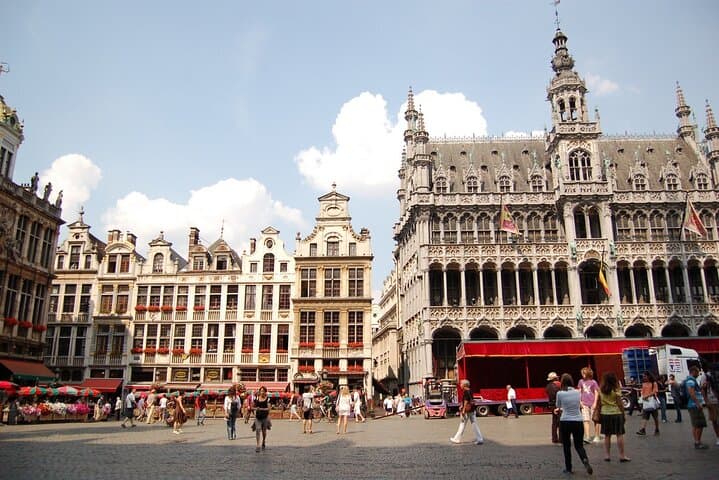
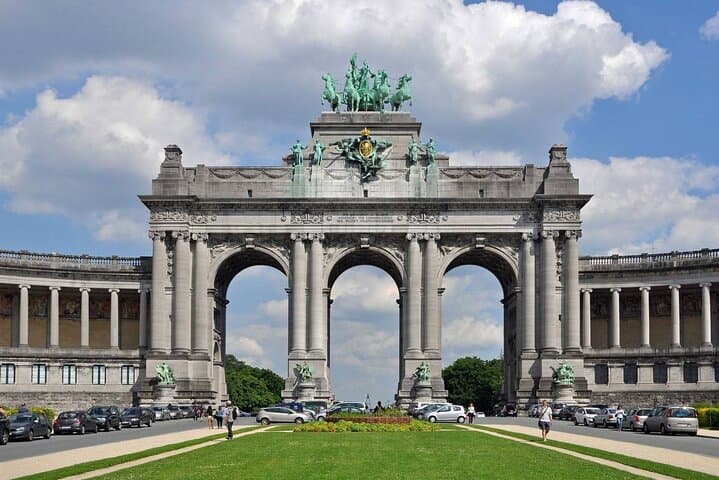
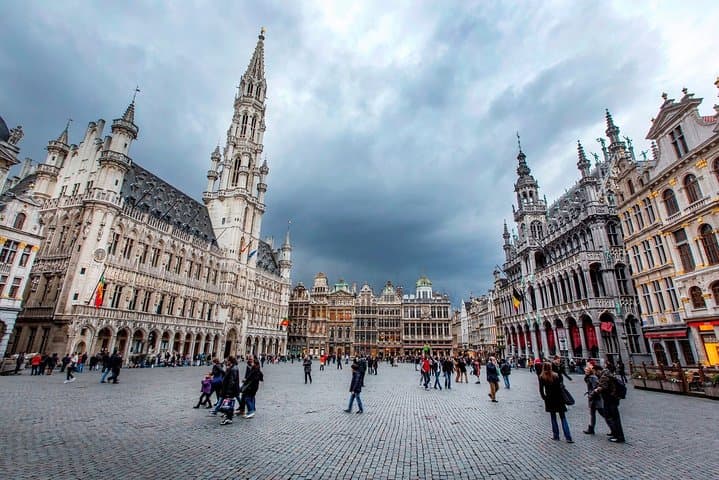
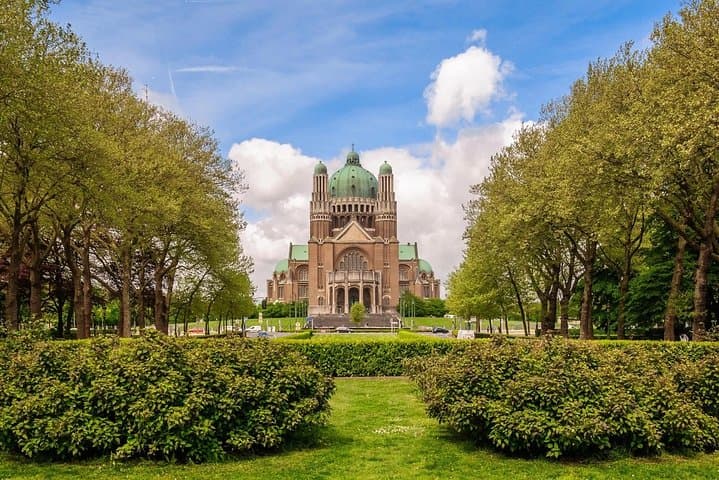
Brussels reads like an architectural field guide: medieval Brabantine Gothic of the Town Hall and St. Michael and St. Gudula; the 20th‑century daring of the Atomium, raised for Expo 58; and Art Nouveau flourishes in side streets by Victor Horta. The Grand Place, a UNESCO site, anchors civic life; nearby, Manneken Pis offers a small, defiant piece of local humor. The Basilica of the Sacred Heart and Cinquantenaire arch speak to nation-building and late-19th‑century ambition.
Expect an itinerary that balances drive time with several short walking stops — squares, façades, a comic-strip mural hunt, and a neighborhood stroll through Sablon’s antiques and chocolatiers. Surfaces vary from smooth pavement to setts and stairs; sound carries in the alleys, and café terraces provide natural rest points. Guides typically handle logistics: quick historical context, recommended photo spots, and drop-off back at the cruise terminal.
Practical planning: bring comfortable shoes for uneven cobbles, layered clothing for changeable weather, and a small daypack for water and documents. Allow time for a leisurely lunch in the Rue des Bouchers or a quick cafe in the Mont des Arts. For cruise passengers, confirm pickup timing and have travel documents handy — the day is curated to show Brussels’ highlights without rushing the essential stops.
easy.
8–9 hours.
Suitable for most fitness levels; expect multiple short walks of up to 20–30 minutes between stops
No — this private tour provides guided stops and time outside major sights; admissions (Atomium, museums) are typically paid on site if you choose to enter.
Around 90 minutes each way depending on traffic; the full tour is scheduled for roughly nine hours including transfers and stops.
Most private tours accommodate reasonable schedule tweaks—confirm preferences during booking so the guide can prioritize must‑see stops.
The vehicle transfer is accessible in many cases, but several central sites have cobbles and steps; contact the operator in advance to confirm specific accessibility needs.
Brussels grew from a medieval market town into a European capital; the Atomium symbolizes post‑war optimism from Expo 58 while the Grand Place reflects centuries of guild and civic power.
City conservation focuses on protecting historic façades and limiting traffic in central squares; visitors are encouraged to use public transport and avoid littering in heritage zones.
Uopera tours operates guided outdoor trips and adventures with an emphasis on safety, stewardship, and memorable experiences.
A morning breeze from the North Sea follows the coach as it leaves Zeebrugge and pushes inland toward Brussels — a 90-minute drive across polder and highway that primes the senses for a city built on seven hills. Arriving into the compact heart, travelers step from an air-conditioned vehicle onto streets that shift between broad boulevards and narrow, cobbled alleys.
A morning breeze from the North Sea follows the coach as it leaves Zeebrugge and pushes inland toward Brussels — a 90-minute drive across polder and highway that primes the senses for a city built on seven hills. Arriving into the compact heart, travelers step from an air-conditioned vehicle onto streets that shift between broad boulevards and narrow, cobbled alleys.
Brussels reads like an architectural field guide: medieval Brabantine Gothic of the Town Hall and St. Michael and St. Gudula; the 20th‑century daring of the Atomium, raised for Expo 58; and Art Nouveau flourishes in side streets by Victor Horta. The Grand Place, a UNESCO site, anchors civic life; nearby, Manneken Pis offers a small, defiant piece of local humor. The Basilica of the Sacred Heart and Cinquantenaire arch speak to nation-building and late-19th‑century ambition.
Expect an itinerary that balances drive time with several short walking stops — squares, façades, a comic-strip mural hunt, and a neighborhood stroll through Sablon’s antiques and chocolatiers. Surfaces vary from smooth pavement to setts and stairs; sound carries in the alleys, and café terraces provide natural rest points. Guides typically handle logistics: quick historical context, recommended photo spots, and drop-off back at the cruise terminal.
Practical planning: bring comfortable shoes for uneven cobbles, layered clothing for changeable weather, and a small daypack for water and documents. Allow time for a leisurely lunch in the Rue des Bouchers or a quick cafe in the Mont des Arts. For cruise passengers, confirm pickup timing and have travel documents handy — the day is curated to show Brussels’ highlights without rushing the essential stops.