THE ADVENTURE COLLECTIVE® · Independent discovery and booking for outdoor travel

Escape Marrakech for a private full-day drive into the High Atlas—river valleys, Berber villages, and short walks to waterfalls. This guided tour balances scenic stops, cultural visits, and easy walking for a single-day mountain escape.
Escape Marrakech for a private full-day drive into the High Atlas—river valleys, Berber villages, and short walks to waterfalls. This guided tour balances scenic stops, cultural visits, and easy walking for a single-day mountain escape.
You roll out of Marrakech’s ochre streets and the city’s clamor loosens as the road climbs toward the Atlas. Cedar and olive groves edge the highway, then the valley opens—rock terraces and low stone houses, a river that dares you to follow its shale-bed upstream. A private vehicle delivers a measured pace: windows down, wind trimming the heat, then stops at viewpoints where the High Atlas pins the horizon.
Verified experiences and guided adventures in the surrounding area.
Operated by Morocco Tourist Adventure · Marrakech, Marrakech-Safi
You roll out of Marrakech’s ochre streets and the city’s clamor loosens as the road climbs toward the Atlas. Cedar and olive groves edge the highway, then the valley opens—rock terraces and low stone houses, a river that dares you to follow its shale-bed upstream. A private vehicle delivers a measured pace: windows down, wind trimming the heat, then stops at viewpoints where the High Atlas pins the horizon.
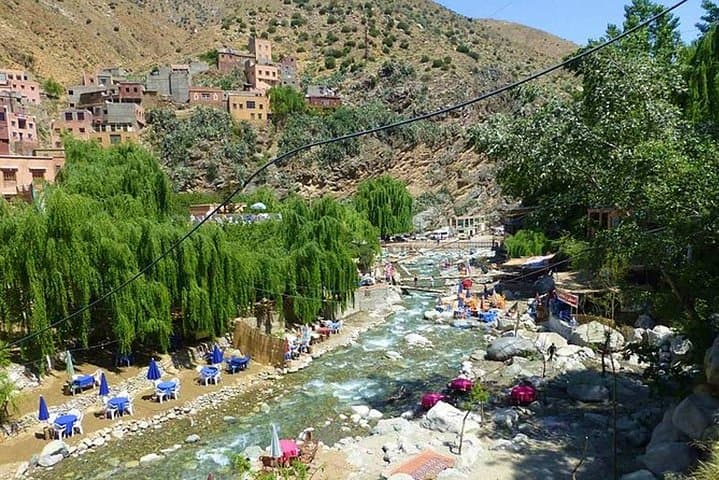
The Atlas range is geologically young—folded and uplifted from African-Eurasian plate collisions—and its ridges show in hard, weathered outcrops. For centuries Berber (Amazigh) communities have farmed these slopes, creating stepped fields and mule tracks that thread villages like Ourika and small hamlets higher on the flanks. Local culture is practical and open; markets trade hand-woven textiles and mint tea still marks hospitality.
Expect short guided walks from village centers, time at a local lunch, and photo stops at waterfalls or terraces. Terrain underfoot ranges from paved lanes to packed dirt, with occasional loose rock on short ascents. Elevations remain modest for most visitors, but mountain air can sharpen suddenly—layering matters.
Practical guidance: bring closed-toe walking shoes, sun protection, and a refillable water bottle; plan for an 8–9 hour day including drive time. If you want more than scenic stops, ask about a longer village hike; if mobility is a concern, confirm pickup logistics and road conditions in advance. A private tour offers flexibility—use it to match your pace to the mountains’.
easy.
8–9 hours.
Suitable for most travelers who can manage a full day of driving and short walks; minimal endurance required
The tour is about 8–9 hours and typically includes private transport, bottled water, lunch, local guide services, and stops at viewpoints, villages, and short walks.
Yes—this private tour is described as suitable for all fitness levels; confirm specific mobility needs and pickup/drop-off points with the operator before booking.
The private tour provides a driver and guide option; guests can often walk village paths independently but should follow driver guidance and safety recommendations.
Bring sturdy shoes, layered clothing, sun protection, and identification; cash for local purchases and small tips is handy.
The High Atlas has been home to Amazigh (Berber) communities for millennia; mountain passes once carried traders and seasonal herders between plains and valleys.
Water is precious—avoid wasting bottled water and support local guides; stick to established paths to limit erosion and respect grazing areas.
Morocco Tourist Adventure operates guided outdoor trips and adventures with an emphasis on safety, stewardship, and memorable experiences.
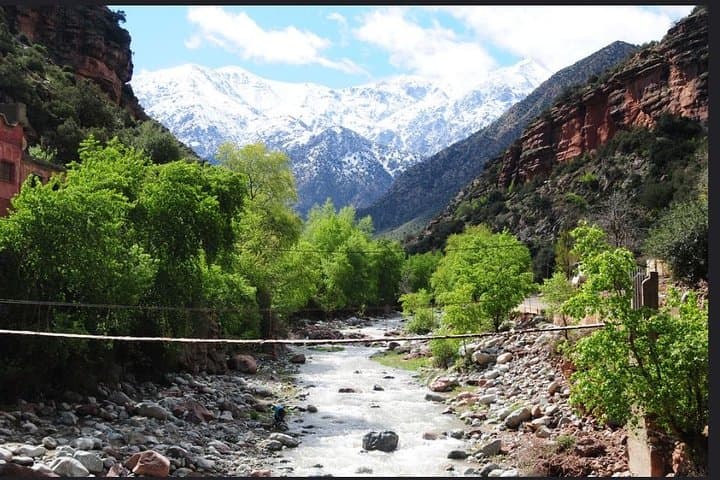
You roll out of Marrakech’s ochre streets and the city’s clamor loosens as the road climbs toward the Atlas. Cedar and olive groves edge the highway, then the valley opens—rock terraces and low stone houses, a river that dares you to follow its shale-bed upstream. A private vehicle delivers a measured pace: windows down, wind trimming the heat, then stops at viewpoints where the High Atlas pins the horizon.
You roll out of Marrakech’s ochre streets and the city’s clamor loosens as the road climbs toward the Atlas. Cedar and olive groves edge the highway, then the valley opens—rock terraces and low stone houses, a river that dares you to follow its shale-bed upstream. A private vehicle delivers a measured pace: windows down, wind trimming the heat, then stops at viewpoints where the High Atlas pins the horizon.
The Atlas range is geologically young—folded and uplifted from African-Eurasian plate collisions—and its ridges show in hard, weathered outcrops. For centuries Berber (Amazigh) communities have farmed these slopes, creating stepped fields and mule tracks that thread villages like Ourika and small hamlets higher on the flanks. Local culture is practical and open; markets trade hand-woven textiles and mint tea still marks hospitality.
Expect short guided walks from village centers, time at a local lunch, and photo stops at waterfalls or terraces. Terrain underfoot ranges from paved lanes to packed dirt, with occasional loose rock on short ascents. Elevations remain modest for most visitors, but mountain air can sharpen suddenly—layering matters.
Practical guidance: bring closed-toe walking shoes, sun protection, and a refillable water bottle; plan for an 8–9 hour day including drive time. If you want more than scenic stops, ask about a longer village hike; if mobility is a concern, confirm pickup logistics and road conditions in advance. A private tour offers flexibility—use it to match your pace to the mountains’.