THE ADVENTURE COLLECTIVE® · Independent discovery and booking for outdoor travel

Explore Perge, Aspendos and Side on a private full-day archaeological tour from Antalya. This guided itinerary combines well-preserved Greco-Roman monuments with coastal views and local cultural insights—ideal for history-minded travelers who prefer a private pace.
Explore Perge, Aspendos and Side on a private full-day archaeological tour from Antalya. This guided itinerary combines well-preserved Greco-Roman monuments with coastal views and local cultural insights—ideal for history-minded travelers who prefer a private pace.
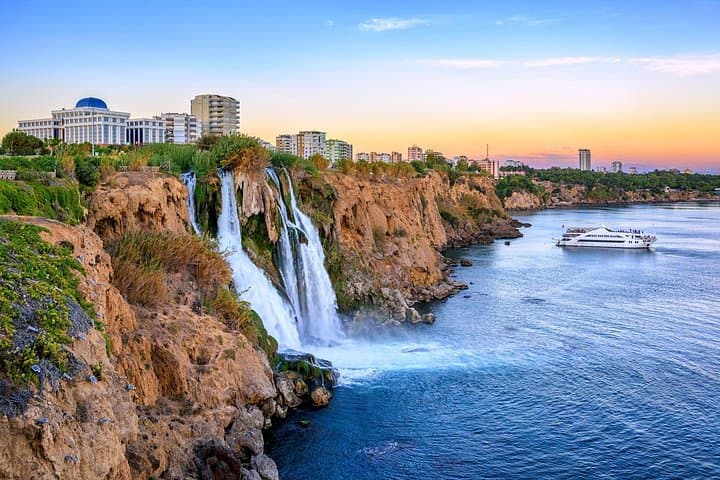
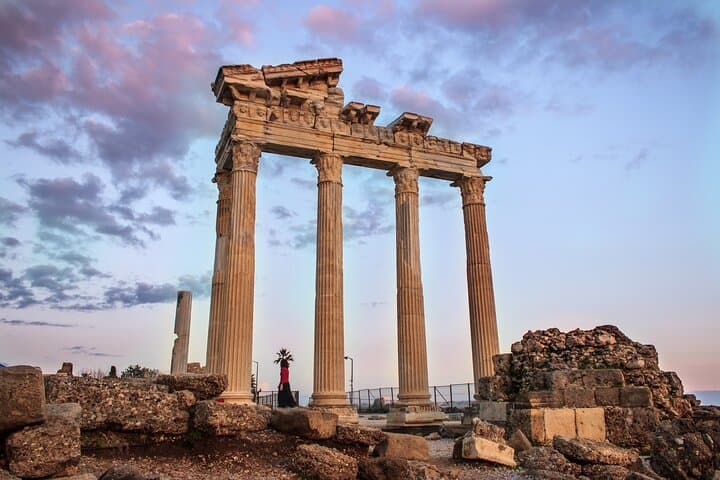
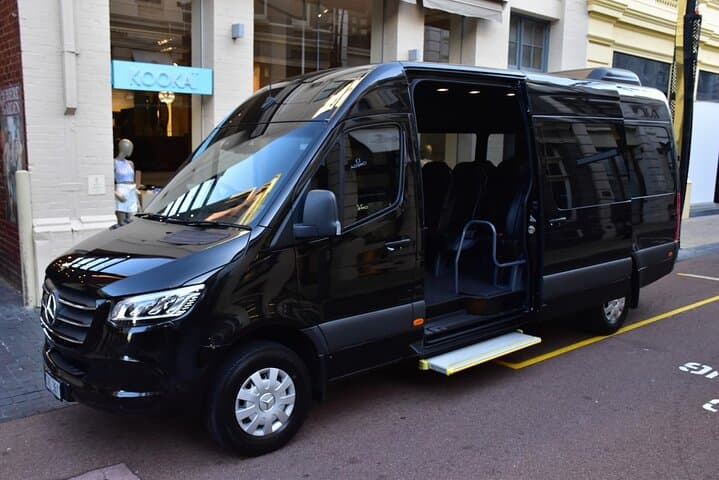
Morning light pools on the Mediterranean as your private vehicle slips away from Antalya’s hotel strip—sea air mixed with the dust of ancient stones. The day unfolds as a linear excavation: Perge’s colonnaded avenues, Aspendos’ monumental theater, then Side’s harbor and temple ruins, each site a different chapter of Pamphylia’s long human story.
Verified experiences and guided adventures in the surrounding area.
Operated by taxiGo Limo Airport Service · Antalya, Antalya Province
Morning light pools on the Mediterranean as your private vehicle slips away from Antalya’s hotel strip—sea air mixed with the dust of ancient stones. The day unfolds as a linear excavation: Perge’s colonnaded avenues, Aspendos’ monumental theater, then Side’s harbor and temple ruins, each site a different chapter of Pamphylia’s long human story.
Perge began as a Bronze Age settlement and rose into a major Greek and then Roman center; its stadium, agora and decayed mosaics speak to imperial urban life. Aspendos, built where limestone terraces meet cedar-scented hills, preserves one of the best-conserved Roman theaters in the world—its acoustics and stonework reveal both engineering skill and local quarry geology. Side, a coastal port, pairs seaside promenades with Hellenistic and Roman remains clustered around the harbor.
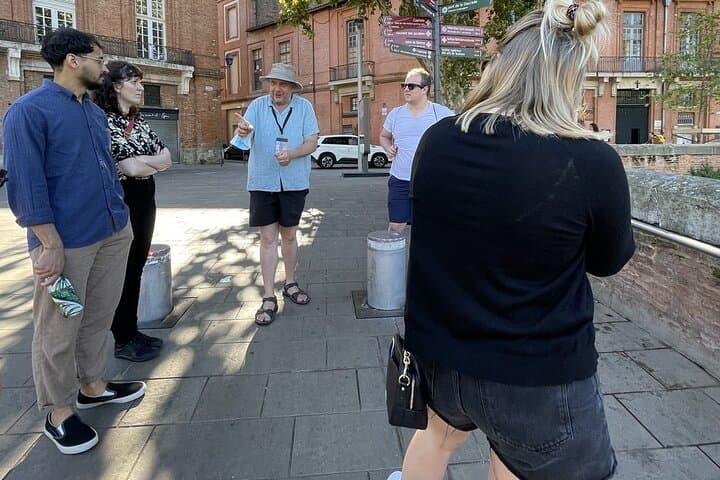
Culturally, the route traces trade and warfare corridors between sea and interior; you’ll pass olive groves, citrus orchards and small towns that still trade in a mix of modern tourism and traditional craft. Local guides bring inscriptions and architectural details to life and often point out subtle features—reuse of columns, water channels, and quarry scars—that reveal how these sites were built.
Practical guidance: this private, air-conditioned tour runs about seven hours with roughly 6–8 km of walking on uneven cobbles and steps; admissions are typically included. Wear sturdy shoes, sun protection and carry a refillable water bottle. Start early in summer to avoid midday heat, and use your free time in Side to sample local meze or stroll the Roman waterfront.
easy.
7 hours.
Suitable for most fitness levels; requires several short walks and standing during site visits.
The itinerary indicates admissions to Perge, Aspendos and Side are included, but confirm at booking for any changes or special exhibitions.
Expect approximately 6–8 km of walking across uneven terrain and several flights of stone steps spread over the day.
Yes—infant seats are available and the tour is described as suitable for all fitness levels, but strollers may be impractical on uneven surfaces.
Yes—there are roughly two hours of free time in Side to eat, shop or walk the harbor independently.
These sites sit in ancient Pamphylia, a crossroad of Greek, Roman and earlier Anatolian cultures—Aspendos’s theater and Perge’s stadium date to Roman prosperity along Mediterranean trade routes.
Conservation efforts focus on stabilizing stonework and limiting visitor impact; stay on paths, avoid touching carvings, and follow guide instructions to help preserve fragile ruins.
taxiGo Limo Airport Service operates guided outdoor trips and adventures with an emphasis on safety, stewardship, and memorable experiences.
Morning light pools on the Mediterranean as your private vehicle slips away from Antalya’s hotel strip—sea air mixed with the dust of ancient stones. The day unfolds as a linear excavation: Perge’s colonnaded avenues, Aspendos’ monumental theater, then Side’s harbor and temple ruins, each site a different chapter of Pamphylia’s long human story.
Morning light pools on the Mediterranean as your private vehicle slips away from Antalya’s hotel strip—sea air mixed with the dust of ancient stones. The day unfolds as a linear excavation: Perge’s colonnaded avenues, Aspendos’ monumental theater, then Side’s harbor and temple ruins, each site a different chapter of Pamphylia’s long human story.
Perge began as a Bronze Age settlement and rose into a major Greek and then Roman center; its stadium, agora and decayed mosaics speak to imperial urban life. Aspendos, built where limestone terraces meet cedar-scented hills, preserves one of the best-conserved Roman theaters in the world—its acoustics and stonework reveal both engineering skill and local quarry geology. Side, a coastal port, pairs seaside promenades with Hellenistic and Roman remains clustered around the harbor.
Culturally, the route traces trade and warfare corridors between sea and interior; you’ll pass olive groves, citrus orchards and small towns that still trade in a mix of modern tourism and traditional craft. Local guides bring inscriptions and architectural details to life and often point out subtle features—reuse of columns, water channels, and quarry scars—that reveal how these sites were built.
Practical guidance: this private, air-conditioned tour runs about seven hours with roughly 6–8 km of walking on uneven cobbles and steps; admissions are typically included. Wear sturdy shoes, sun protection and carry a refillable water bottle. Start early in summer to avoid midday heat, and use your free time in Side to sample local meze or stroll the Roman waterfront.