THE ADVENTURE COLLECTIVE® · Independent discovery and booking for outdoor travel

Beat the crowds on a private, full-day Angkor Wat tour that times temple visits for low light and quiet moments. Visit Ta Nei, Ta Prohm, Banteay Srei and Bayon with an experienced guide while learning Khmer history and practical tips for a long temple day.
Beat the crowds on a private, full-day Angkor Wat tour that times temple visits for low light and quiet moments. Visit Ta Nei, Ta Prohm, Banteay Srei and Bayon with an experienced guide while learning Khmer history and practical tips for a long temple day.
You step out before dawn into Siem Reap's humid air, headlights cutting through a band of fog over rice paddies as your private guide steers toward the temple complex. By the time other visitors surface, you're already threading quiet alleys of laterite and sandstone at Ta Nei, where roots have crept into carving seams and seem to pull stories out of the stones.
Verified experiences and guided adventures in the surrounding area.
Operated by Angkor Tour Guide · Siem Reap, Siem Reap Province
You step out before dawn into Siem Reap's humid air, headlights cutting through a band of fog over rice paddies as your private guide steers toward the temple complex. By the time other visitors surface, you're already threading quiet alleys of laterite and sandstone at Ta Nei, where roots have crept into carving seams and seem to pull stories out of the stones.
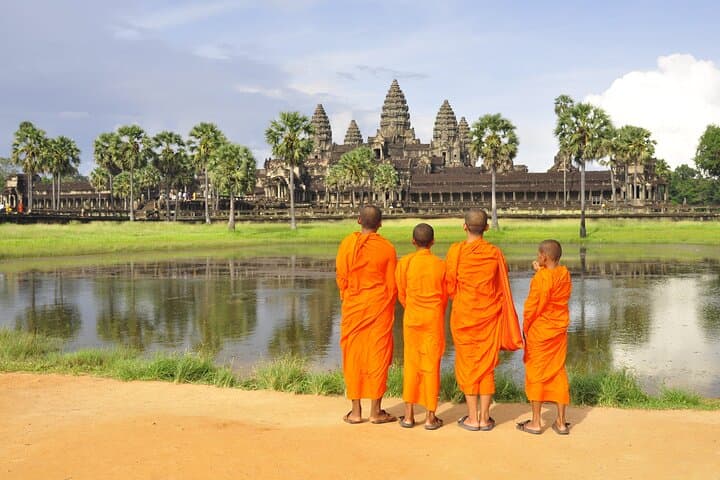
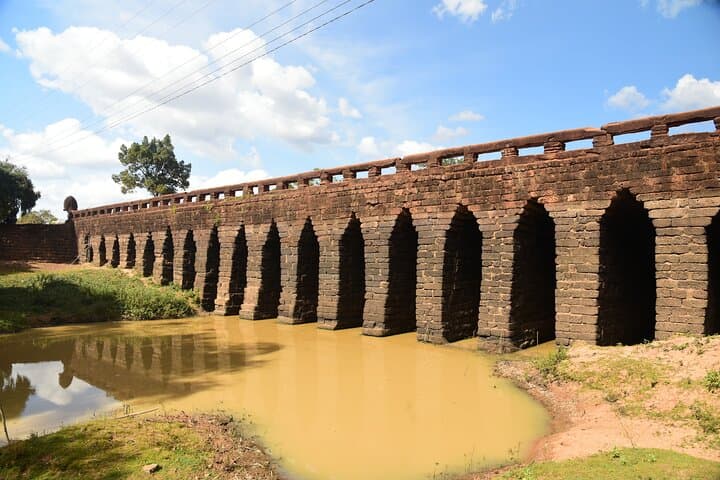
The Angkor group grew under the Khmer Empire from the 9th to the 15th century; temples here alternate Hindu and Buddhist iconography as kings reshaped religion and power. Geologically, the monuments were carved from compacted sandstone brought from quarries and set on laterite foundations, which explains the warm, eroding textures visitors can trace with their eyes. Culturally, the region still pulses with Khmer life — markets, lacquer artisans, and monks in saffron — a useful context your licensed guide will provide between photo stops.
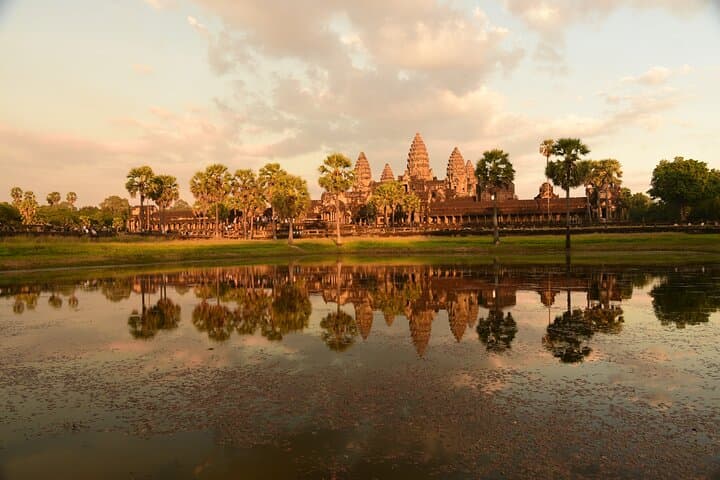
Your itinerary typically hits Ta Nei and Ta Prohm at low light, Banteay Srei’s delicate pink sandstone carvings, Bayon’s enigmatic faces in Angkor Thom, and ends at the west moat of Angkor Wat for late afternoon light. Practical tips: dress to cover knees and shoulders, carry USD cash for gate tickets and tips, and pace an 8–9 hour day with frequent water breaks. Expect uneven stone, short stair sections, and lots of photo opportunities; a knowledgeable guide times entries to reduce crowds and reads the bas-reliefs so you don’t just watch history — you understand it.
moderate.
8–9 hours.
Basic walking endurance; comfortable standing for several short viewing periods and navigating uneven stone steps.
Most bookings do not include the Angkor Archaeological Park ticket; bring cash (USD commonly accepted) unless the provider specifies otherwise.
Yes—the private tour includes hotel pickup and drop-off within Siem Reap; confirm your pickup point when booking.
The tour is listed as easy for all fitness levels, but expect uneven ground and short stairs; inform the operator of mobility needs in advance.
Licensed local guides commonly speak English; request language preferences when booking to ensure availability.
Angkor was the Khmer Empire’s capital from the 9th–15th centuries, producing monumental temples that fused Hindu and Buddhist symbolism and were built largely from quarried sandstone.
High visitor numbers accelerate erosion of carved sandstone; stick to marked paths, avoid touching bas-reliefs, and use licensed guides who promote sustainable practices.
Angkor Tour Guide operates guided outdoor trips and adventures with an emphasis on safety, stewardship, and memorable experiences.
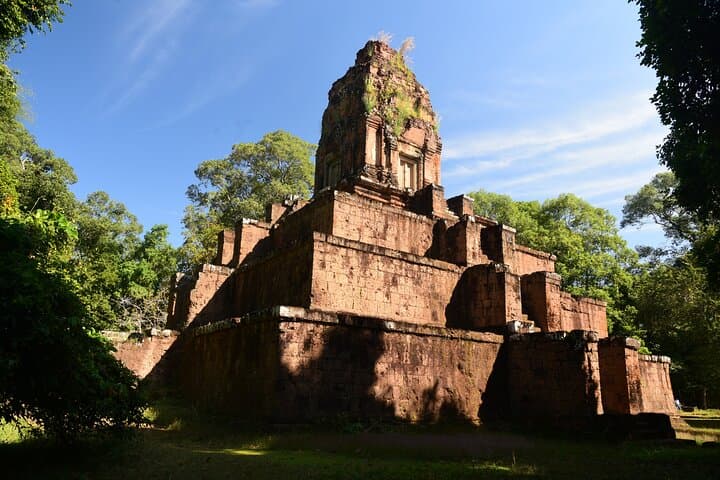
You step out before dawn into Siem Reap's humid air, headlights cutting through a band of fog over rice paddies as your private guide steers toward the temple complex. By the time other visitors surface, you're already threading quiet alleys of laterite and sandstone at Ta Nei, where roots have crept into carving seams and seem to pull stories out of the stones.
You step out before dawn into Siem Reap's humid air, headlights cutting through a band of fog over rice paddies as your private guide steers toward the temple complex. By the time other visitors surface, you're already threading quiet alleys of laterite and sandstone at Ta Nei, where roots have crept into carving seams and seem to pull stories out of the stones.
The Angkor group grew under the Khmer Empire from the 9th to the 15th century; temples here alternate Hindu and Buddhist iconography as kings reshaped religion and power. Geologically, the monuments were carved from compacted sandstone brought from quarries and set on laterite foundations, which explains the warm, eroding textures visitors can trace with their eyes. Culturally, the region still pulses with Khmer life — markets, lacquer artisans, and monks in saffron — a useful context your licensed guide will provide between photo stops.
Your itinerary typically hits Ta Nei and Ta Prohm at low light, Banteay Srei’s delicate pink sandstone carvings, Bayon’s enigmatic faces in Angkor Thom, and ends at the west moat of Angkor Wat for late afternoon light. Practical tips: dress to cover knees and shoulders, carry USD cash for gate tickets and tips, and pace an 8–9 hour day with frequent water breaks. Expect uneven stone, short stair sections, and lots of photo opportunities; a knowledgeable guide times entries to reduce crowds and reads the bas-reliefs so you don’t just watch history — you understand it.