THE ADVENTURE COLLECTIVE® · Independent discovery and booking for outdoor travel

Drive the dramatic Amalfi coastline in a private Mercedes with hourly stops in Positano, Amalfi and Ravello (Sorrento optional). This 7–8 hour itinerary pairs cliffside panoramas with village strolls and local food tips from English-speaking drivers.
Drive the dramatic Amalfi coastline in a private Mercedes with hourly stops in Positano, Amalfi and Ravello (Sorrento optional). This 7–8 hour itinerary pairs cliffside panoramas with village strolls and local food tips from English-speaking drivers.
Morning light hits the Tyrrhenian like a slow breath and the Mercedes glides out of Sorrento toward a road carved into cliffs.
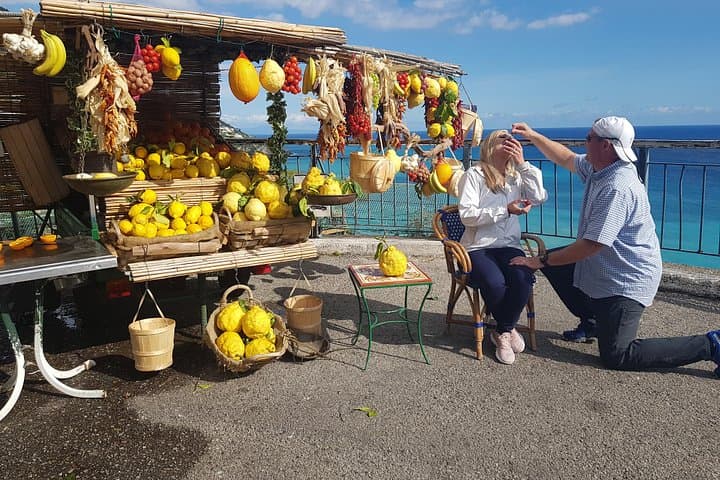
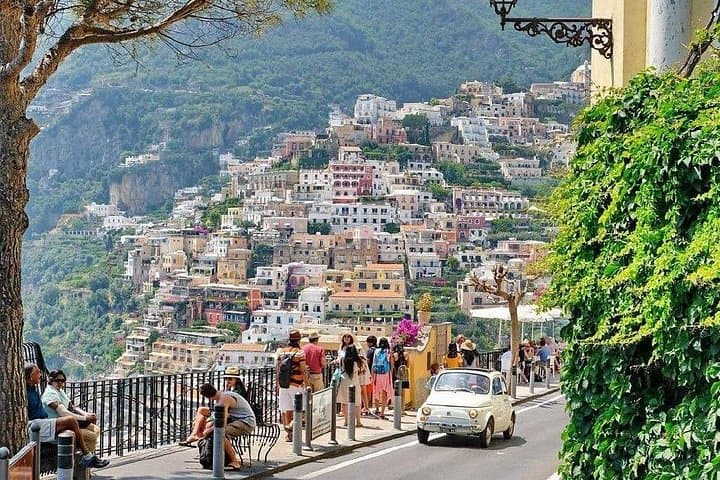
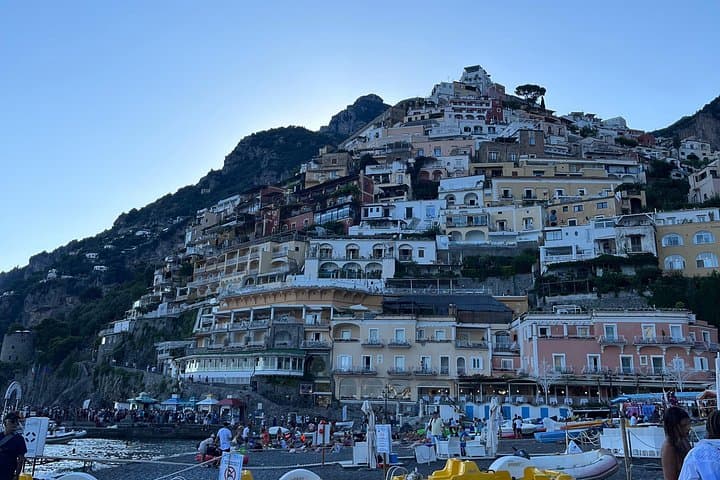
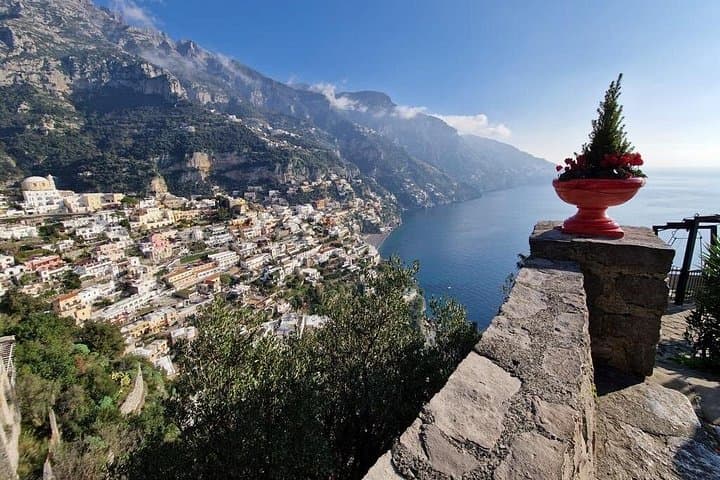
You feel the coast shifting — citrus terraces give way to stacked houses falling toward the sea, gulls vectoring the salt air. In Positano, narrow stairways funnel you to a pebble beach; in Amalfi, the cathedral piazza opens with baroque calm; Ravello sits aloof above the water, its gardens offering wind-swept panoramas.
Verified experiences and guided adventures in the surrounding area.
Operated by Pompeii Transfer Car · Amalfi, Campania
Morning light hits the Tyrrhenian like a slow breath and the Mercedes glides out of Sorrento toward a road carved into cliffs.
You feel the coast shifting — citrus terraces give way to stacked houses falling toward the sea, gulls vectoring the salt air. In Positano, narrow stairways funnel you to a pebble beach; in Amalfi, the cathedral piazza opens with baroque calm; Ravello sits aloof above the water, its gardens offering wind-swept panoramas.
This ribbon of coastline formed where the Apennine uplift meets the sea; centuries of maritime trade made Amalfi a medieval maritime republic, leaving cathedrals, paper mills and a culture shaped by salt, lemon and seamanship. Cuisine is immediate: anchovies, scialatielli and limoncello distilled from terraced groves. Local artisans still sew sandals and paint ceramic tiles in small workshops tucked off the main routes.
Practicalities matter: a private transfer covers 7–8 hours, with one-hour stops in each chosen town and photo pullovers at scenic overlooks. Roads are steep and often busy — sit on the sea side of the vehicle for the best views, and confirm your pickup point and luggage needs in advance.
Bring comfortable shoes for stairs, a light layer for the hilltop breeze, and a water bottle to refill between cafés. Aim for early starts to avoid mid-day crowds and late-afternoon returns if you prefer softer light for photos. With local driving, flexibility is the advantage — ask your driver for hidden viewpoints, quieter cafés, and the best spot to taste a truly local limoncello.
easy.
7–8 hours.
Suitable for all fitness levels; expect short walks on stairs and cobblestones but no sustained hiking.
Yes — pickups can be arranged from the port, train station, airport or hotels; provide arrival details when booking to confirm timing.
No — the tour includes private transportation, water and Wi‑Fi; admissions, meals and optional extras like boat rides are paid locally.
Drivers can accommodate strollers and assist with luggage, but the towns feature steep steps and cobblestones that limit full wheelchair access to all areas.
Yes — you choose three of Positano, Amalfi, Ravello or Sorrento; extra hours can be booked to visit all four if time allows.
The Amalfi Coast’s towns grew from a powerful medieval maritime republic; Amalfi’s Duomo and Ravello’s villas reflect centuries of maritime wealth and cultural exchange.
Overtourism pressures fragile coastal villages and terraces—choose off-peak hours, support local artisans, and avoid leaving waste on trails and beaches.
Pompeii Transfer Car operates guided outdoor trips and adventures with an emphasis on safety, stewardship, and memorable experiences.
Morning light hits the Tyrrhenian like a slow breath and the Mercedes glides out of Sorrento toward a road carved into cliffs.
You feel the coast shifting — citrus terraces give way to stacked houses falling toward the sea, gulls vectoring the salt air. In Positano, narrow stairways funnel you to a pebble beach; in Amalfi, the cathedral piazza opens with baroque calm; Ravello sits aloof above the water, its gardens offering wind-swept panoramas.
This ribbon of coastline formed where the Apennine uplift meets the sea; centuries of maritime trade made Amalfi a medieval maritime republic, leaving cathedrals, paper mills and a culture shaped by salt, lemon and seamanship. Cuisine is immediate: anchovies, scialatielli and limoncello distilled from terraced groves. Local artisans still sew sandals and paint ceramic tiles in small workshops tucked off the main routes.
Practicalities matter: a private transfer covers 7–8 hours, with one-hour stops in each chosen town and photo pullovers at scenic overlooks. Roads are steep and often busy — sit on the sea side of the vehicle for the best views, and confirm your pickup point and luggage needs in advance.
Bring comfortable shoes for stairs, a light layer for the hilltop breeze, and a water bottle to refill between cafés. Aim for early starts to avoid mid-day crowds and late-afternoon returns if you prefer softer light for photos. With local driving, flexibility is the advantage — ask your driver for hidden viewpoints, quieter cafés, and the best spot to taste a truly local limoncello.