THE ADVENTURE COLLECTIVE® · Independent discovery and booking for outdoor travel

Drive the dramatic cliffs of the Amalfi Coast on a private full-day tour from Positano, visiting Amalfi’s Duomo and Ravello’s panoramic gardens. Practical tips on timing, walking, and what to pack help you make the most of six hours of coastal scenery.
Drive the dramatic cliffs of the Amalfi Coast on a private full-day tour from Positano, visiting Amalfi’s Duomo and Ravello’s panoramic gardens. Practical tips on timing, walking, and what to pack help you make the most of six hours of coastal scenery.
You slide into a first-class minivan and the road immediately changes rhythm: hairpin turns, cliffs leaning toward the Tyrrhenian, and villages clinging like painted models. The driver eases through Positano’s steep lanes, the air carrying citrus and sea spray, and the day opens toward Amalfi’s broad piazza and Ravello’s high terraces.
Verified experiences and guided adventures in the surrounding area.
Operated by Exploring Amalfi Coast Private Tours · Positano, Campania
You slide into a first-class minivan and the road immediately changes rhythm: hairpin turns, cliffs leaning toward the Tyrrhenian, and villages clinging like painted models. The driver eases through Positano’s steep lanes, the air carrying citrus and sea spray, and the day opens toward Amalfi’s broad piazza and Ravello’s high terraces.
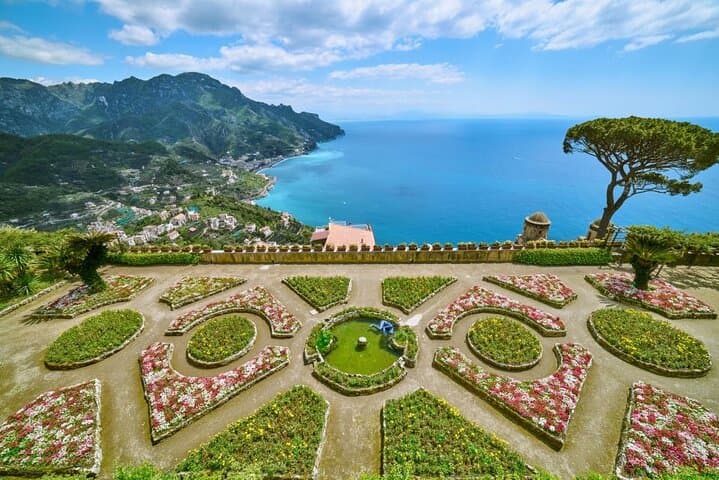
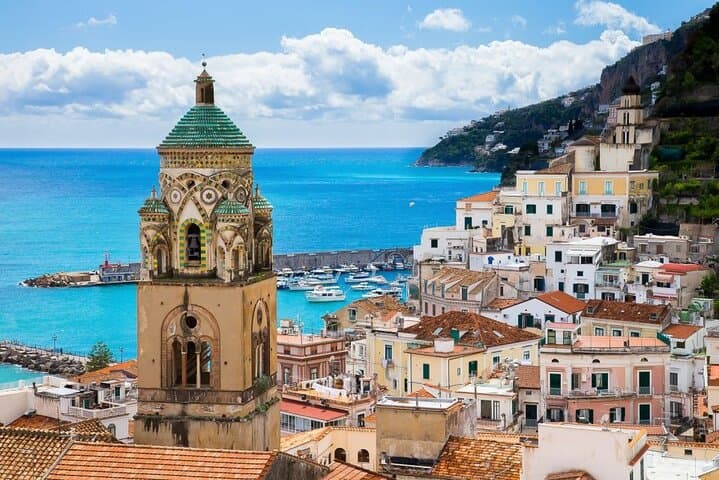
Amalfi’s Duomo, dedicated to St. Andrew, still announces the town’s medieval role as a maritime republic; its cathedral steps lead into a compact grid of shops selling ceramics, pastries and the local limoncello. Geologically the coast is folded limestone—steep fractured cliffs cut by short streams—creating narrow beaches and dramatic viewpoints. Ravello sits above the cliffs, its villas (Villa Rufolo and Villa Cimbrone) offering panoramic views and layered gardens that showcase both history and the coast’s strategic importance over centuries.
Culturally the route is straightforward: lemon groves, small-batch ceramics, and kitchens focused on seafood and citrus. Locals move at a deliberate pace; vendors know regulars by name.
Practical guidance: the private tour runs about six hours and minimizes walking between photo stops, but expect cobbled streets and many steps in each town. Wear supportive shoes, bring sunscreen and a refillable bottle, and plan photos in morning or late afternoon to avoid the harsh midday light. Cash is useful at small shops, and a light jacket helps on breezy terraces. If you seek a quieter experience, ask your guide to time visits outside peak ferry windows—this is how you keep the coast’s charm intact while seeing its best.
easy.
6 hours.
Suitable for all fitness levels but requires mobility for short walks and stairs at each town
This private tour departs from Positano and typically includes pickup and drop-off within Positano—confirm pickup location when booking.
Admissions to private gardens like Villa Rufolo or Villa Cimbrone are usually not included; your guide can advise and arrange tickets on request.
Walking is limited to exploring town centers and viewpoints; expect short, sometimes steep walks with many steps rather than long hikes.
Private tours operate year-round, though some ferry links and seasonal businesses have reduced hours in winter—check schedules in advance.
Amalfi developed as a maritime republic in the Middle Ages; its cathedral and harbor reflect its historic trading wealth and Mediterranean connections.
The Amalfi Coast is a UNESCO-listed landscape with fragile terraces and limited infrastructure—travelers should minimize single-use plastics, stick to marked paths, and respect local rules to reduce erosion and overcrowding.
Exploring Amalfi Coast Private Tours operates guided outdoor trips and adventures with an emphasis on safety, stewardship, and memorable experiences.
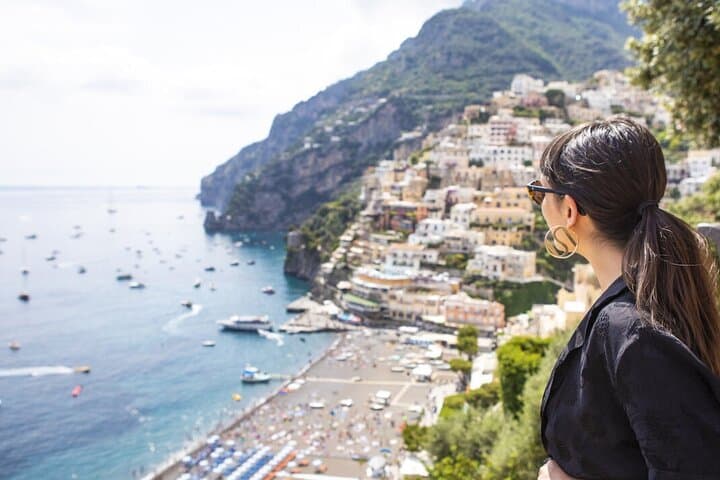
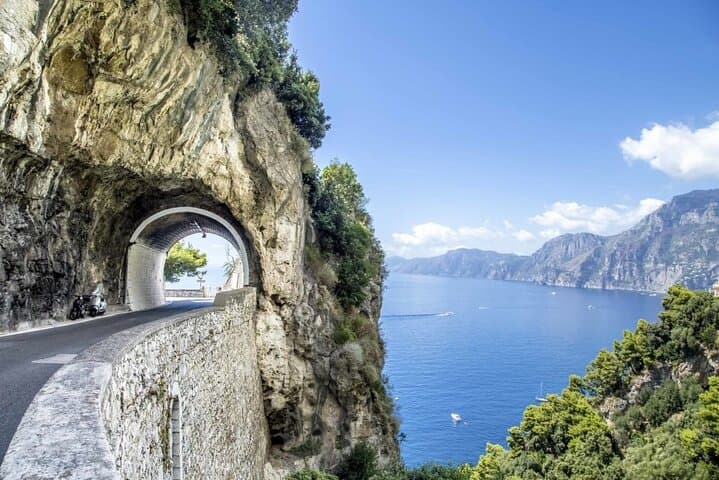
You slide into a first-class minivan and the road immediately changes rhythm: hairpin turns, cliffs leaning toward the Tyrrhenian, and villages clinging like painted models. The driver eases through Positano’s steep lanes, the air carrying citrus and sea spray, and the day opens toward Amalfi’s broad piazza and Ravello’s high terraces.
You slide into a first-class minivan and the road immediately changes rhythm: hairpin turns, cliffs leaning toward the Tyrrhenian, and villages clinging like painted models. The driver eases through Positano’s steep lanes, the air carrying citrus and sea spray, and the day opens toward Amalfi’s broad piazza and Ravello’s high terraces.
Amalfi’s Duomo, dedicated to St. Andrew, still announces the town’s medieval role as a maritime republic; its cathedral steps lead into a compact grid of shops selling ceramics, pastries and the local limoncello. Geologically the coast is folded limestone—steep fractured cliffs cut by short streams—creating narrow beaches and dramatic viewpoints. Ravello sits above the cliffs, its villas (Villa Rufolo and Villa Cimbrone) offering panoramic views and layered gardens that showcase both history and the coast’s strategic importance over centuries.
Culturally the route is straightforward: lemon groves, small-batch ceramics, and kitchens focused on seafood and citrus. Locals move at a deliberate pace; vendors know regulars by name.
Practical guidance: the private tour runs about six hours and minimizes walking between photo stops, but expect cobbled streets and many steps in each town. Wear supportive shoes, bring sunscreen and a refillable bottle, and plan photos in morning or late afternoon to avoid the harsh midday light. Cash is useful at small shops, and a light jacket helps on breezy terraces. If you seek a quieter experience, ask your guide to time visits outside peak ferry windows—this is how you keep the coast’s charm intact while seeing its best.