THE ADVENTURE COLLECTIVE® · Independent discovery and booking for outdoor travel

A full-day private tour from Cairo that pairs Mediterranean air with millennia of history—visit Kom El Shoqafa catacombs, Pompey’s Pillar, the Citadel of Qaitbay, and the modern Library of Alexandria. Expect a 2.5–3 hour drive each way, guided insights, and seaside lunch options.
A full-day private tour from Cairo that pairs Mediterranean air with millennia of history—visit Kom El Shoqafa catacombs, Pompey’s Pillar, the Citadel of Qaitbay, and the modern Library of Alexandria. Expect a 2.5–3 hour drive each way, guided insights, and seaside lunch options.
You leave Cairo before dawn and the highway flattens the desert into a ribbon; by midmorning the Mediterranean appears on the horizon, blue and insistent, nudging the shore and the city awake.
Verified experiences and guided adventures in the surrounding area.
Operated by Travel Egypt tours · Alexandria, Alexandria Governorate
You leave Cairo before dawn and the highway flattens the desert into a ribbon; by midmorning the Mediterranean appears on the horizon, blue and insistent, nudging the shore and the city awake.
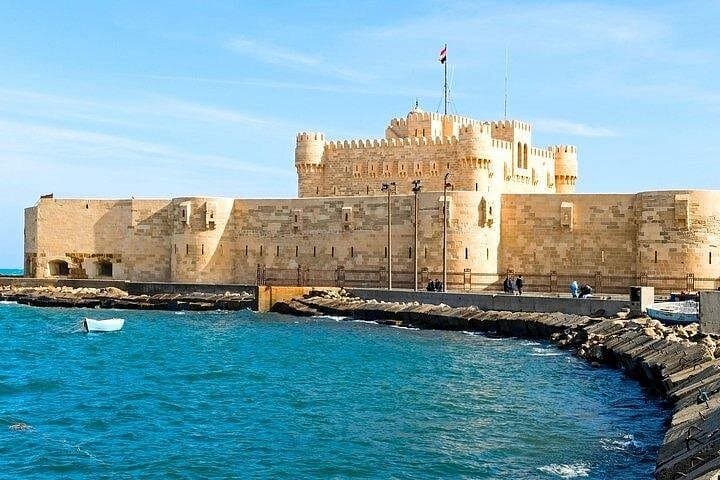
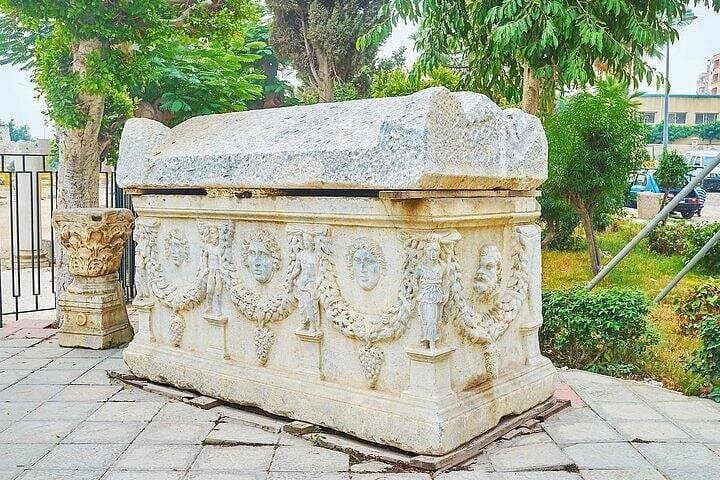
Alexandria unspools as a living crossroads—Hellenistic foundations laid by Alexander in 331 BC, Roman columns reused and re-carved, and later Islamic fortifications that guard a working port. Kom El Shoqafa's carved tombs plunge you underfoot into a layered past where Egyptian iconography wears Roman hairstyles. Pompey’s Pillar stands solitary on the Serapeum’s ridge, a red-granite marker of imperial pageantry, while the Citadel of Qaitbay, built in the 15th century, stares back at the same channel that once hosted the Pharos Lighthouse.
Geology here is honest: coastal limestone benches give way to reclaimed sands and the shallow shelf that sheltered Alexandria’s ancient harbor. The modern Library of Alexandria reimagines the city’s intellectual legacy, its glass façade facing the sea and the sculptures pulled up from underwater.
Practically, expect long stretches of walking on stone and uneven surfaces, short drives between sites, and a roughly 2.5–3 hour transit each way from Cairo by road. Bring sun protection and a copy of your passport for ticketed sites; plan museum visits around closures and busy mid-day crowds. Local guides translate archaeological nuance into readable narratives and help navigate ticket lines—use them.
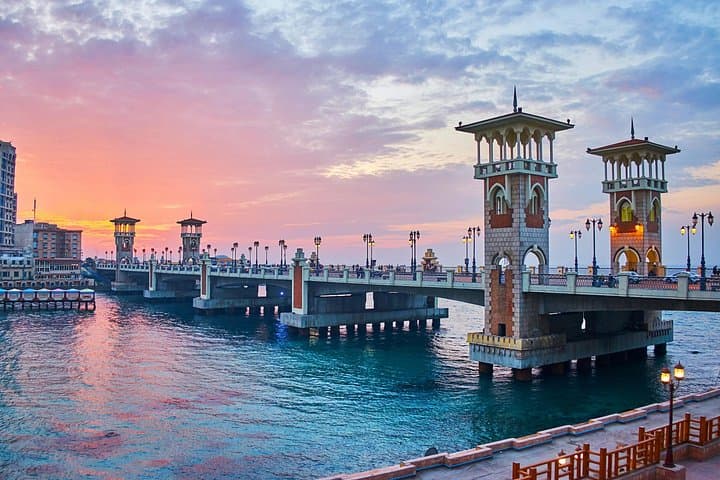
This is a day for curiosity: archaeological depth, coastal wind, concrete travel logistics. Pack light, keep your camera ready, and give yourself time to walk the corniche at the end of the day—Alexandria’s light can change a column’s meaning in an hour.
easy.
8–10 hours.
Suitable for most fitness levels; expect several hours of walking on uneven, stepped, or cobbled surfaces.
Plan on roughly 2.5 to 3 hours each way depending on traffic; most operators schedule early morning departures to maximize sightseeing time.
Entrance fees may be included only if selected at booking—confirm your option; some sites also charge separate photography or conservation fees.
The modern library is typically closed on Fridays and Saturdays and on national holidays; check opening days in advance and plan the itinerary accordingly.
Yes—hotel pickup and drop-off are included; expect a confirmation question about pickup point when booking.
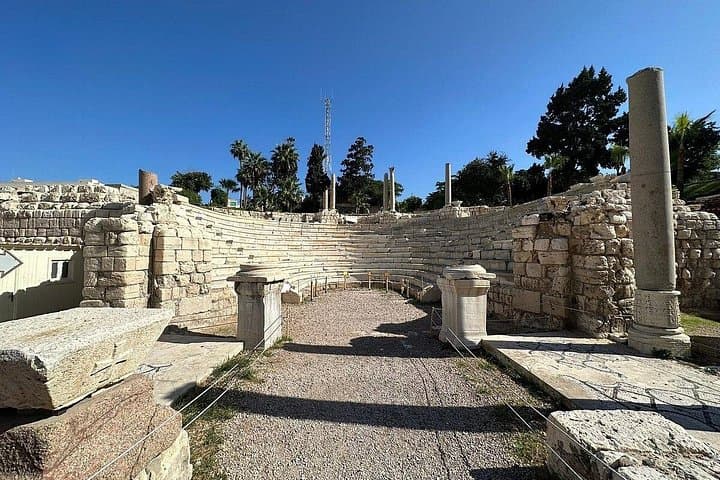
Founded by Alexander the Great in 331 BC, Alexandria became a Hellenistic center where Greek, Egyptian, and Roman cultures fused—visible now in tomb motifs and civic ruins.
Coastal erosion and rising sea levels threaten submerged archaeological remains; follow guide instructions, avoid touching artifacts, and support local conservation-friendly operators.
Travel Egypt tours operates guided outdoor trips and adventures with an emphasis on safety, stewardship, and memorable experiences.
You leave Cairo before dawn and the highway flattens the desert into a ribbon; by midmorning the Mediterranean appears on the horizon, blue and insistent, nudging the shore and the city awake.
You leave Cairo before dawn and the highway flattens the desert into a ribbon; by midmorning the Mediterranean appears on the horizon, blue and insistent, nudging the shore and the city awake.
Alexandria unspools as a living crossroads—Hellenistic foundations laid by Alexander in 331 BC, Roman columns reused and re-carved, and later Islamic fortifications that guard a working port. Kom El Shoqafa's carved tombs plunge you underfoot into a layered past where Egyptian iconography wears Roman hairstyles. Pompey’s Pillar stands solitary on the Serapeum’s ridge, a red-granite marker of imperial pageantry, while the Citadel of Qaitbay, built in the 15th century, stares back at the same channel that once hosted the Pharos Lighthouse.
Geology here is honest: coastal limestone benches give way to reclaimed sands and the shallow shelf that sheltered Alexandria’s ancient harbor. The modern Library of Alexandria reimagines the city’s intellectual legacy, its glass façade facing the sea and the sculptures pulled up from underwater.
Practically, expect long stretches of walking on stone and uneven surfaces, short drives between sites, and a roughly 2.5–3 hour transit each way from Cairo by road. Bring sun protection and a copy of your passport for ticketed sites; plan museum visits around closures and busy mid-day crowds. Local guides translate archaeological nuance into readable narratives and help navigate ticket lines—use them.
This is a day for curiosity: archaeological depth, coastal wind, concrete travel logistics. Pack light, keep your camera ready, and give yourself time to walk the corniche at the end of the day—Alexandria’s light can change a column’s meaning in an hour.