THE ADVENTURE COLLECTIVE® · Independent discovery and booking for outdoor travel

Drive from Cairo to Alexandria for a six‑hour immersion in Mediterranean history: Kom El‑Deka’s mosaics, the eerie Kom El Shoqafa catacombs, Pompey’s Pillar, and the modern Bibliotheca Alexandrina. Practical tips for timing, footwear, and what to expect underground.
Drive from Cairo to Alexandria for a six‑hour immersion in Mediterranean history: Kom El‑Deka’s mosaics, the eerie Kom El Shoqafa catacombs, Pompey’s Pillar, and the modern Bibliotheca Alexandrina. Practical tips for timing, footwear, and what to expect underground.
The highway out of Cairo flattens into the delta and the Mediterranean wind begins to push against the car windows, a cool contrast to the city’s heat. By mid-morning you step onto marble at Kom El-Deka, the Roman theater’s mosaic floors whispering footsteps from two thousand years ago. Later, the catacombs descend into a quieter, cooler world where Egyptian, Greek and Roman motifs collide in carved stone.
Verified experiences and guided adventures in the surrounding area.
Operated by Cheops of beautiful · Alexandria, Alexandria Governorate
The highway out of Cairo flattens into the delta and the Mediterranean wind begins to push against the car windows, a cool contrast to the city’s heat. By mid-morning you step onto marble at Kom El-Deka, the Roman theater’s mosaic floors whispering footsteps from two thousand years ago. Later, the catacombs descend into a quieter, cooler world where Egyptian, Greek and Roman motifs collide in carved stone.
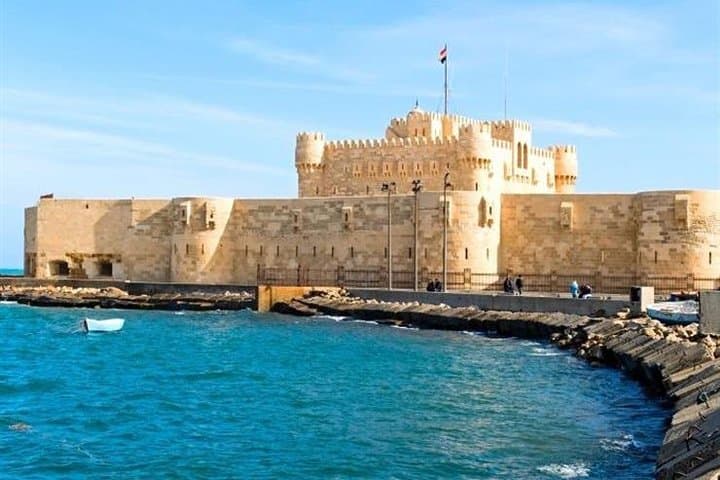
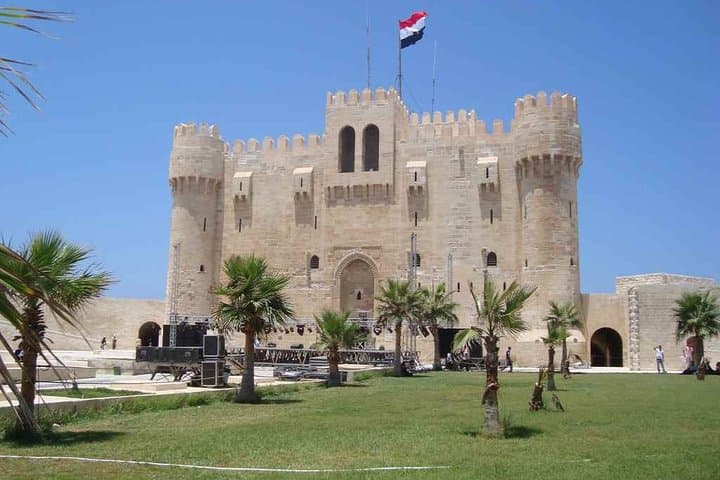
Alexandria was founded by Alexander the Great in 331 BCE and spent centuries as a crossroads of cultures. The city’s geology — coastal limestone and reclaimed harbor land — has shaped both its archaeology and its architecture; Pompey’s Pillar and the Citadel of Qaitbay stand where human ambition met the restless sea. Modern Bibliotheca Alexandrina reimagines that archival legacy with glass and concrete, a contemporary counterpoint to the ancient ruins.
Practical guidance: this is an easy, full-day excursion (about six hours on-site, plus driving time). Expect uneven stone, short staircases, and confined spaces in the catacombs; sturdy walking shoes and a light hat are practical. The tour includes air-conditioned transport and an Egyptologist guide, and stops for restroom breaks. Bring photocopies of your passport for bookings and a small amount of cash for lunch or souvenirs — many local eateries accept cards but smaller vendors prefer cash.
Timing matters: visit early in the day to avoid the harshest sun, and allow a relaxed pace for photography and museum queues. Respect signage in archaeological sites and avoid touching fragile mosaics; these places carry both human stories and delicate stonework that need your care.
easy.
6 hours (on-site).
Suitable for most fitness levels but requires walking and modest stair/climb ability
Yes — the tour provides air-conditioned return transportation from Cairo or Giza hotels as part of the booking.
Ticket policies vary; verify with your operator—some entry fees may be extra, though the itinerary notes skip-the-line access for select attractions.
The operator lists stroller accessibility in parts, but note the catacombs involve stairs and confined spaces that may not be suitable for young children.
Modest, comfortable clothing is appropriate—covering shoulders and knees is respectful, and closed-toe shoes are recommended for safety.
Alexandria was founded in 331 BCE by Alexander the Great and became a Hellenistic hub where Greek, Egyptian and Roman cultures fused, shaping its architecture and intellectual legacy.
Sites are vulnerable to coastal erosion and urban pressure; stick to marked paths, avoid touching mosaics, and support local guides who work with preservation efforts.
Cheops of beautiful operates guided outdoor trips and adventures with an emphasis on safety, stewardship, and memorable experiences.

The highway out of Cairo flattens into the delta and the Mediterranean wind begins to push against the car windows, a cool contrast to the city’s heat. By mid-morning you step onto marble at Kom El-Deka, the Roman theater’s mosaic floors whispering footsteps from two thousand years ago. Later, the catacombs descend into a quieter, cooler world where Egyptian, Greek and Roman motifs collide in carved stone.
The highway out of Cairo flattens into the delta and the Mediterranean wind begins to push against the car windows, a cool contrast to the city’s heat. By mid-morning you step onto marble at Kom El-Deka, the Roman theater’s mosaic floors whispering footsteps from two thousand years ago. Later, the catacombs descend into a quieter, cooler world where Egyptian, Greek and Roman motifs collide in carved stone.
Alexandria was founded by Alexander the Great in 331 BCE and spent centuries as a crossroads of cultures. The city’s geology — coastal limestone and reclaimed harbor land — has shaped both its archaeology and its architecture; Pompey’s Pillar and the Citadel of Qaitbay stand where human ambition met the restless sea. Modern Bibliotheca Alexandrina reimagines that archival legacy with glass and concrete, a contemporary counterpoint to the ancient ruins.
Practical guidance: this is an easy, full-day excursion (about six hours on-site, plus driving time). Expect uneven stone, short staircases, and confined spaces in the catacombs; sturdy walking shoes and a light hat are practical. The tour includes air-conditioned transport and an Egyptologist guide, and stops for restroom breaks. Bring photocopies of your passport for bookings and a small amount of cash for lunch or souvenirs — many local eateries accept cards but smaller vendors prefer cash.
Timing matters: visit early in the day to avoid the harshest sun, and allow a relaxed pace for photography and museum queues. Respect signage in archaeological sites and avoid touching fragile mosaics; these places carry both human stories and delicate stonework that need your care.