THE ADVENTURE COLLECTIVE® · Independent discovery and booking for outdoor travel

Spend a private day exploring Al Ain’s forts, UNESCO oasis, camel market, and the scenic Jebel Hafeet drive. This customizable tour mixes cultural history, geology, and local markets with convenient transport from Dubai or Abu Dhabi.
Spend a private day exploring Al Ain’s forts, UNESCO oasis, camel market, and the scenic Jebel Hafeet drive. This customizable tour mixes cultural history, geology, and local markets with convenient transport from Dubai or Abu Dhabi.
You step out of the air-conditioned vehicle into a city where date palms shade cool walkways and the low silhouette of Jebel Hafeet pins the horizon. Morning light slants across the rammed-earth walls of Al Jahili Fort; the stone seems to hold the heat and memory of centuries. The day unfolds as a measured circuit through Al Ain’s human and geological story—forts, oases, markets, and a mountain road that climbs from the city into ridgelines of orange-brown rock.
Verified experiences and guided adventures in the surrounding area.
Operated by Trip Habibi Tourism LLC · Al Ain, Abu Dhabi
You step out of the air-conditioned vehicle into a city where date palms shade cool walkways and the low silhouette of Jebel Hafeet pins the horizon. Morning light slants across the rammed-earth walls of Al Jahili Fort; the stone seems to hold the heat and memory of centuries. The day unfolds as a measured circuit through Al Ain’s human and geological story—forts, oases, markets, and a mountain road that climbs from the city into ridgelines of orange-brown rock.
Al Ain’s history is visible: Qasr Al Muwaiji and traditional houses recall a period when the region’s ruling families and migrant craftsmen shaped settlement patterns. The Al Ain Oasis demonstrates ancient falaj irrigation—water channels that quietly pushed life into this desert. Geologically, Jebel Hafeet is a limestony spine of the Hajar range, its folded strata offering panoramic views over a plain that was once sea bed.
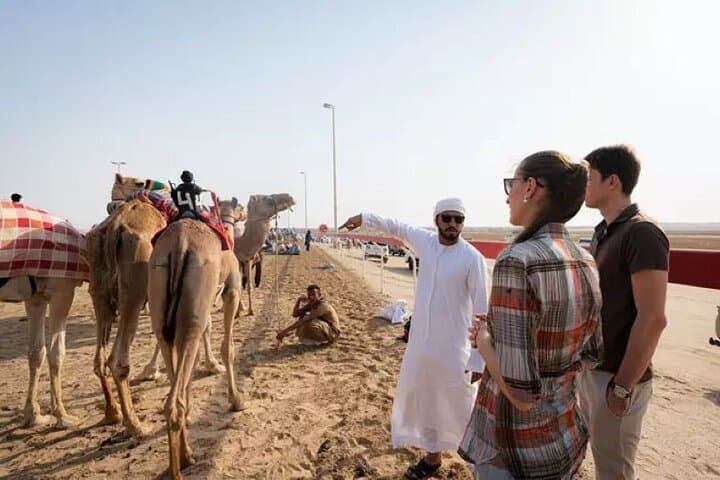
Culturally, the camel market and Al Qaws traditional market show how commerce and craft remain woven into daily life; museums such as Al Qattara preserve crafts and contemporary interpretations of heritage. Along the Green Mubazzarah area, hot springs and parks provide a natural counterpoint to the built heritage.
Practical guidance: expect a full 8–10 hour day with multiple short walks and several stops for photos and refreshments. Bring sun protection, a refillable water bottle, comfortable walking shoes, and light layers for the mountain breeze. Start early to avoid midday heat, and allow time on Jebel Hafeet for views near sunset when colors are strongest. The route is wheel- and stroller-accessible at many stops, but uneven paths exist at historic sites—move slowly and respect local customs when visiting mosques and markets.
easy.
8–10 hours.
Suitable for most fitness levels; involves short, gentle walks and periods seated in the vehicle
Yes—private air-conditioned pickup and drop-off are included from specified locations in Dubai and Abu Dhabi.
Most stops are viewed externally; specific admission fees (where required) are not included unless stated in the booking details.
Many sites and the vehicle are wheelchair-accessible, but some historic sites have uneven surfaces—contact the operator to plan accessible stops.
Yes—this private tour offers a customizable itinerary to emphasize cultural sites, markets, or scenic drives based on your interests.
Al Ain developed as an agricultural and trading center around its falaj irrigation systems; several forts reflect the city’s role in regional leadership before oil wealth reshaped the UAE.
Oasis areas are protected UNESCO sites—stay on paths to avoid damaging root systems, and avoid single-use plastics to reduce litter in fragile desert environments.
Trip Habibi Tourism LLC operates guided outdoor trips and adventures with an emphasis on safety, stewardship, and memorable experiences.
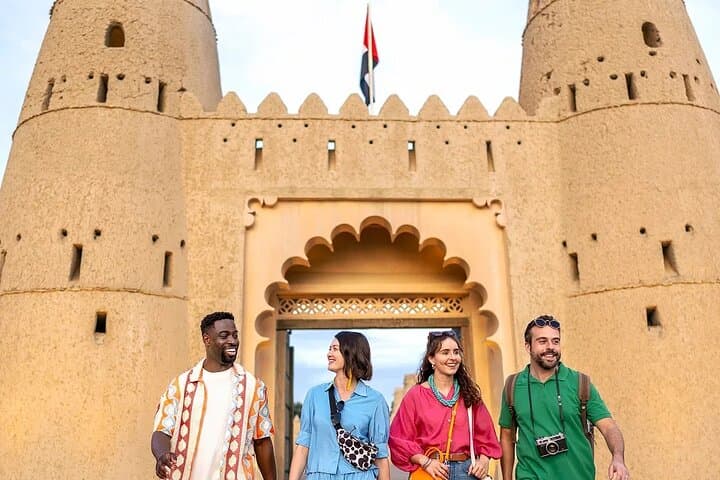
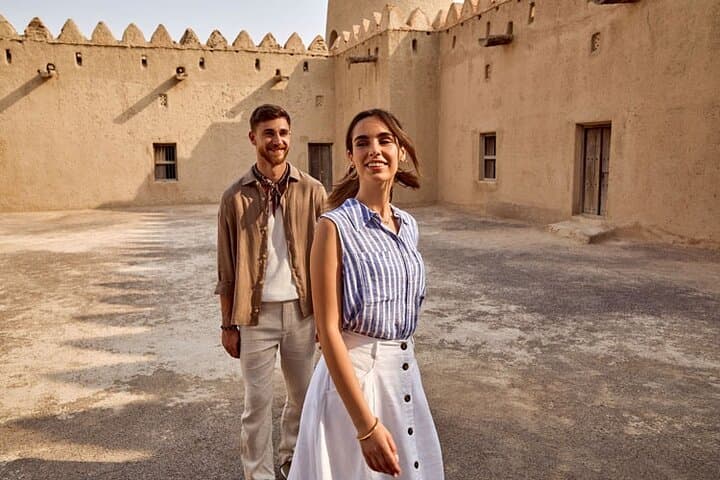

You step out of the air-conditioned vehicle into a city where date palms shade cool walkways and the low silhouette of Jebel Hafeet pins the horizon. Morning light slants across the rammed-earth walls of Al Jahili Fort; the stone seems to hold the heat and memory of centuries. The day unfolds as a measured circuit through Al Ain’s human and geological story—forts, oases, markets, and a mountain road that climbs from the city into ridgelines of orange-brown rock.
You step out of the air-conditioned vehicle into a city where date palms shade cool walkways and the low silhouette of Jebel Hafeet pins the horizon. Morning light slants across the rammed-earth walls of Al Jahili Fort; the stone seems to hold the heat and memory of centuries. The day unfolds as a measured circuit through Al Ain’s human and geological story—forts, oases, markets, and a mountain road that climbs from the city into ridgelines of orange-brown rock.
Al Ain’s history is visible: Qasr Al Muwaiji and traditional houses recall a period when the region’s ruling families and migrant craftsmen shaped settlement patterns. The Al Ain Oasis demonstrates ancient falaj irrigation—water channels that quietly pushed life into this desert. Geologically, Jebel Hafeet is a limestony spine of the Hajar range, its folded strata offering panoramic views over a plain that was once sea bed.
Culturally, the camel market and Al Qaws traditional market show how commerce and craft remain woven into daily life; museums such as Al Qattara preserve crafts and contemporary interpretations of heritage. Along the Green Mubazzarah area, hot springs and parks provide a natural counterpoint to the built heritage.
Practical guidance: expect a full 8–10 hour day with multiple short walks and several stops for photos and refreshments. Bring sun protection, a refillable water bottle, comfortable walking shoes, and light layers for the mountain breeze. Start early to avoid midday heat, and allow time on Jebel Hafeet for views near sunset when colors are strongest. The route is wheel- and stroller-accessible at many stops, but uneven paths exist at historic sites—move slowly and respect local customs when visiting mosques and markets.