THE ADVENTURE COLLECTIVE® · Independent discovery and booking for outdoor travel

See Sal’s highlights in one day: kite-filled shores, volcanic salt flats where you can float, muraled villages and a family lunch of Cape Verdean flavors. This accessible full-day tour packs geology, culture and coastal scenery into an eight‑hour loop.
See Sal’s highlights in one day: kite-filled shores, volcanic salt flats where you can float, muraled villages and a family lunch of Cape Verdean flavors. This accessible full-day tour packs geology, culture and coastal scenery into an eight‑hour loop.
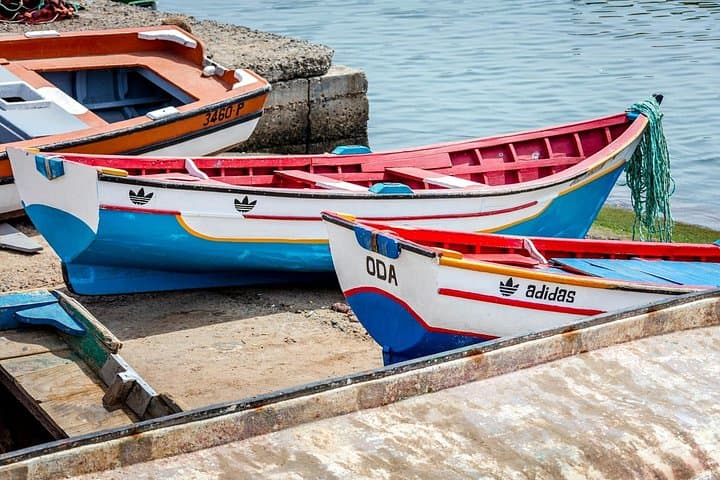
You step off the minibus into wind that sculpts the sand—Kite Beach spreads out with sails angling across the blue, the Atlantic daring you to look farther. The day moves like a set of postcards: a palm-lined fishing village, a lagoon that flashes a near‑perfect blue eye, salt bowls ringed by volcanic rock and a small town where muraled walls speak in bright colors.
Verified experiences and guided adventures in the surrounding area.
Operated by Destination Services Cape Verde · Santa Maria, Sal
You step off the minibus into wind that sculpts the sand—Kite Beach spreads out with sails angling across the blue, the Atlantic daring you to look farther. The day moves like a set of postcards: a palm-lined fishing village, a lagoon that flashes a near‑perfect blue eye, salt bowls ringed by volcanic rock and a small town where muraled walls speak in bright colors.
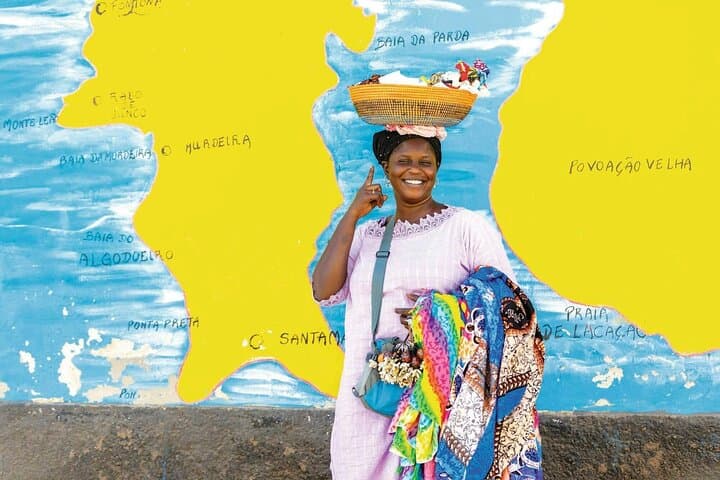
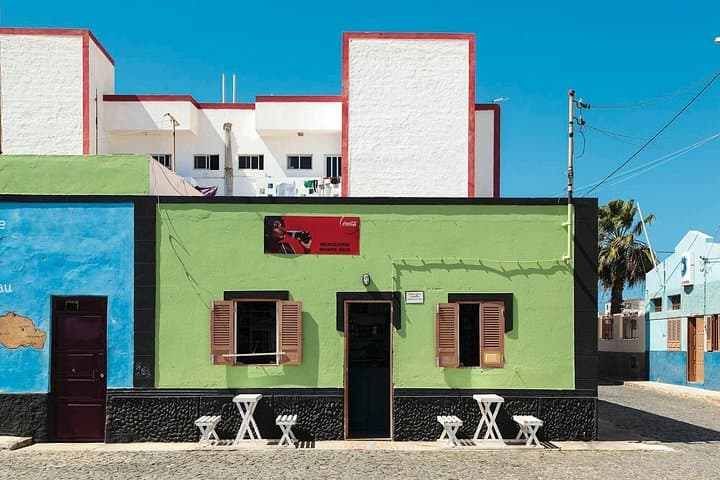
Geology here is blunt and honest: Sal is a shield of volcanic flows and wind-blown sand. Pedra de Lume’s salt flats occupy the crater of an extinct volcano whose floor sits below sea level—an accidental basin that has been harvested for salt for centuries. Culture in Espargos and Palmeira is practical and direct; murals and family-run restaurants reveal a community shaped by fishing, trade and the seasons of tourism.
Expect easy walks, roadside viewpoints and several short stops for photos and exploration. The Buracona “blue eye” and Terra Boa mirage are optical phenomena that depend on light and tide, so sightings aren’t guaranteed; plan to treat them as highlights if they appear. Lunch is local, three courses with a drink, often seafood or richly seasoned island fare.
Practical guidance: hydrate early, wear reef‑ready shoes for rocky shorelines, and bring sun protection; winds can be strong so a lightweight layer helps. Respect local sites and guides—they’ll point you to the best viewpoints and explain how the salt pans shaped island life. This is a full, accessible day that reads like a crash course in Sal’s landscape, history and flavors.
easy.
8 hours.
Suitable for travelers in average physical shape; involves short walks, stairs and getting in/out of transport.
Yes — the high salinity makes floating easy; avoid getting salt in open cuts and rinse off afterward if possible.
Most shared tours offer pickup from central Santa Maria hotels — confirm your pickup point when booking and arrive a few minutes early.
No — both are optical phenomena dependent on sun angle and tide; guides will attempt visits but can’t promise sightings.
The itinerary includes short walks and stairs and isn’t recommended for small children or travelers with significant mobility restrictions.
Pedra de Lume’s salt pans were produced in a volcanic crater and have been harvested since colonial times; salt was a major export shaping Sal’s economy.
Sal’s arid ecosystems are fragile; stick to marked paths, avoid removing shells or coral and support local family businesses to keep tourism sustainable.
Destination Services Cape Verde operates guided outdoor trips and adventures with an emphasis on safety, stewardship, and memorable experiences.
You step off the minibus into wind that sculpts the sand—Kite Beach spreads out with sails angling across the blue, the Atlantic daring you to look farther. The day moves like a set of postcards: a palm-lined fishing village, a lagoon that flashes a near‑perfect blue eye, salt bowls ringed by volcanic rock and a small town where muraled walls speak in bright colors.
You step off the minibus into wind that sculpts the sand—Kite Beach spreads out with sails angling across the blue, the Atlantic daring you to look farther. The day moves like a set of postcards: a palm-lined fishing village, a lagoon that flashes a near‑perfect blue eye, salt bowls ringed by volcanic rock and a small town where muraled walls speak in bright colors.
Geology here is blunt and honest: Sal is a shield of volcanic flows and wind-blown sand. Pedra de Lume’s salt flats occupy the crater of an extinct volcano whose floor sits below sea level—an accidental basin that has been harvested for salt for centuries. Culture in Espargos and Palmeira is practical and direct; murals and family-run restaurants reveal a community shaped by fishing, trade and the seasons of tourism.
Expect easy walks, roadside viewpoints and several short stops for photos and exploration. The Buracona “blue eye” and Terra Boa mirage are optical phenomena that depend on light and tide, so sightings aren’t guaranteed; plan to treat them as highlights if they appear. Lunch is local, three courses with a drink, often seafood or richly seasoned island fare.
Practical guidance: hydrate early, wear reef‑ready shoes for rocky shorelines, and bring sun protection; winds can be strong so a lightweight layer helps. Respect local sites and guides—they’ll point you to the best viewpoints and explain how the salt pans shaped island life. This is a full, accessible day that reads like a crash course in Sal’s landscape, history and flavors.