THE ADVENTURE COLLECTIVE® · Independent discovery and booking for outdoor travel

Spend a full day exploring Plitvice’s terraced travertine lakes and thunderous waterfalls on a guided tour from Zadar. Walk wooden boardwalks, visit Veliki Slap, and learn why this UNESCO site demands careful boots and a slow pace.
Spend a full day exploring Plitvice’s terraced travertine lakes and thunderous waterfalls on a guided tour from Zadar. Walk wooden boardwalks, visit Veliki Slap, and learn why this UNESCO site demands careful boots and a slow pace.
You step off the coach and the air changes: cooler, moss-scented, carrying the distant percussion of falling water. Wooden boardwalks thread across turquoise pools, and the path leads you through a landscape shaped by slow chemistry — calcium-rich water building terraces of travertine that keep pouring and rebuilding the lakes.
Verified experiences and guided adventures in the surrounding area.
Operated by TERRA TRAVEL · Plitvička Jezera, Lika-Senj County
You step off the coach and the air changes: cooler, moss-scented, carrying the distant percussion of falling water. Wooden boardwalks thread across turquoise pools, and the path leads you through a landscape shaped by slow chemistry — calcium-rich water building terraces of travertine that keep pouring and rebuilding the lakes.
Plitvice is Croatia’s oldest national park (protected since 1949) and a UNESCO World Heritage Site. Sixteen lakes are split into Upper and Lower groups; the park’s geology is defined by karst limestone and travertine barriers formed where water, plants, and time combine. Culturally, the area sits in Lika, with a history of shepherding and small mountain villages; local guides often point out traditional stone farmsteads visible from the roads.
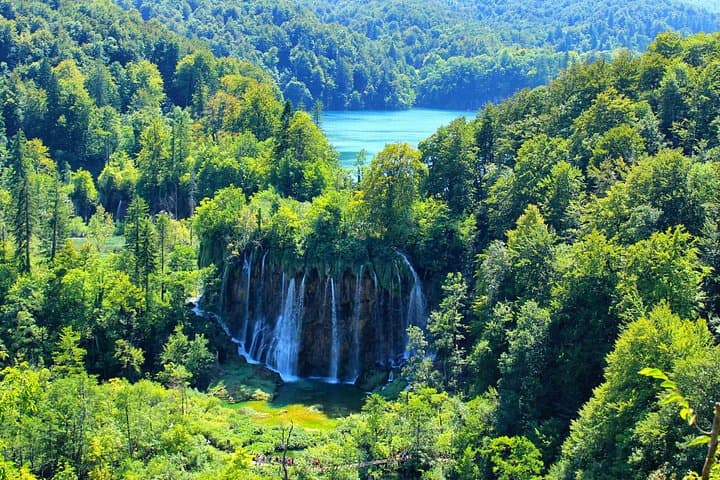
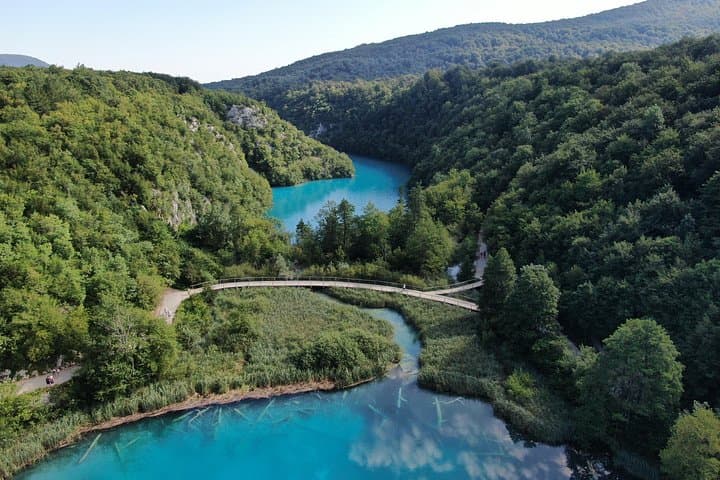
On a typical full-day trip from Zadar you’ll spend about four hours exploring the park — expect 4–8 km of walking depending on route selection. Trails alternate between timber boardwalks over water, stone steps at waterfalls, and packed dirt through beech and fir. Veliki Slap (the Great Waterfall) is a natural highlight and photo stop.
Practical guidance: bring waterproof, grippy shoes for slippery boards and steps; carry water and snacks, and have euros or card for entrance fees (not always included). Pace your visit to avoid the midday crowds, and stay on marked paths — conservation rules prohibit swimming and off-trail access. The roundtrip from Zadar is roughly two hours each way, so plan for an 8–9 hour day. Respect wildlife, pack out trash, and let the lakes’ quiet do the rest.
moderate.
8–9 hours.
Moderate fitness; able to walk several hours with some stairs and uneven surfaces.
Not always — many tours exclude park admission; check your booking details and budget for seasonal ticket prices paid on arrival.
The drive typically takes about 1.5–2 hours each way depending on traffic and route, which is factored into the full-day schedule.
Pets are generally not allowed on the main trails to protect wildlife and fragile formations; confirm park rules before bringing animals.
There are seasonal snack kiosks and cafés near main entrances, but options are limited — bring snacks if you prefer specific dietary choices.
Plitvice was declared Croatia’s first national park in 1949 and joined UNESCO’s World Heritage List in 1979 due to its unique travertine-forming processes.
The park enforces strict trail use and prohibits swimming to protect travertine formation and sensitive habitats; visitors should pack out waste and follow signage.
TERRA TRAVEL operates guided outdoor trips and adventures with an emphasis on safety, stewardship, and memorable experiences.
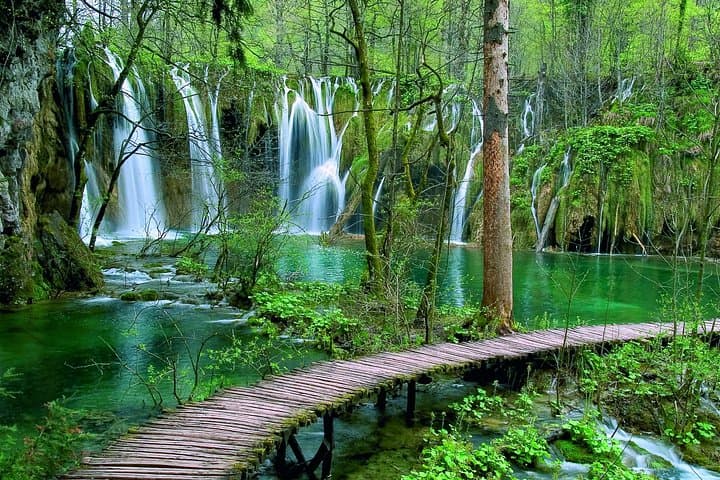
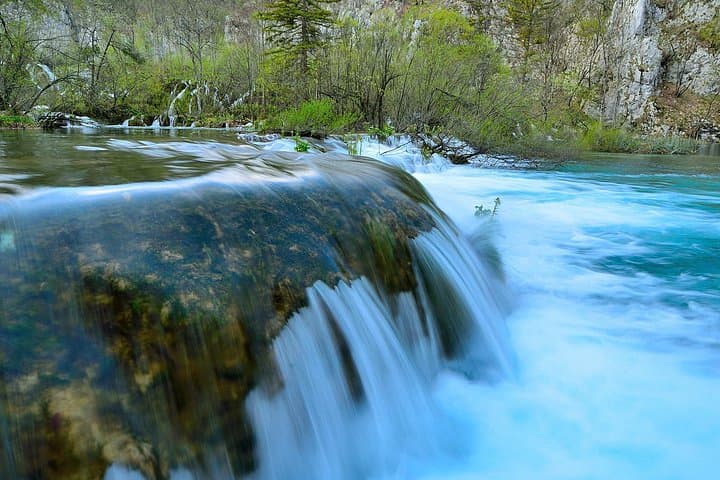
You step off the coach and the air changes: cooler, moss-scented, carrying the distant percussion of falling water. Wooden boardwalks thread across turquoise pools, and the path leads you through a landscape shaped by slow chemistry — calcium-rich water building terraces of travertine that keep pouring and rebuilding the lakes.
You step off the coach and the air changes: cooler, moss-scented, carrying the distant percussion of falling water. Wooden boardwalks thread across turquoise pools, and the path leads you through a landscape shaped by slow chemistry — calcium-rich water building terraces of travertine that keep pouring and rebuilding the lakes.
Plitvice is Croatia’s oldest national park (protected since 1949) and a UNESCO World Heritage Site. Sixteen lakes are split into Upper and Lower groups; the park’s geology is defined by karst limestone and travertine barriers formed where water, plants, and time combine. Culturally, the area sits in Lika, with a history of shepherding and small mountain villages; local guides often point out traditional stone farmsteads visible from the roads.
On a typical full-day trip from Zadar you’ll spend about four hours exploring the park — expect 4–8 km of walking depending on route selection. Trails alternate between timber boardwalks over water, stone steps at waterfalls, and packed dirt through beech and fir. Veliki Slap (the Great Waterfall) is a natural highlight and photo stop.
Practical guidance: bring waterproof, grippy shoes for slippery boards and steps; carry water and snacks, and have euros or card for entrance fees (not always included). Pace your visit to avoid the midday crowds, and stay on marked paths — conservation rules prohibit swimming and off-trail access. The roundtrip from Zadar is roughly two hours each way, so plan for an 8–9 hour day. Respect wildlife, pack out trash, and let the lakes’ quiet do the rest.