THE ADVENTURE COLLECTIVE® · Independent discovery and booking for outdoor travel

Spend 7–8 hours learning Thai cooking from market to stove in Phuket. This small-group class combines a guided market tour with two hands-on sessions where certified Thai cooks teach 8–9 authentic dishes — adaptable for halal and vegetarian diets.
Spend 7–8 hours learning Thai cooking from market to stove in Phuket. This small-group class combines a guided market tour with two hands-on sessions where certified Thai cooks teach 8–9 authentic dishes — adaptable for halal and vegetarian diets.
The day begins before you reach the kitchen: humid air, motorbike horns, and the bright chaos of a Phuket wet market. Vendors call out over crushed ice and baskets of herbs while lemongrass and galangal scent the air; you move through the stalls with an instructor who points out the exact chilies, fish sauce and kaffir lime leaves that give each dish its personality.
Verified experiences and guided adventures in the surrounding area.
Operated by Oh-Hoo · Phuket, Phuket
The day begins before you reach the kitchen: humid air, motorbike horns, and the bright chaos of a Phuket wet market. Vendors call out over crushed ice and baskets of herbs while lemongrass and galangal scent the air; you move through the stalls with an instructor who points out the exact chilies, fish sauce and kaffir lime leaves that give each dish its personality.
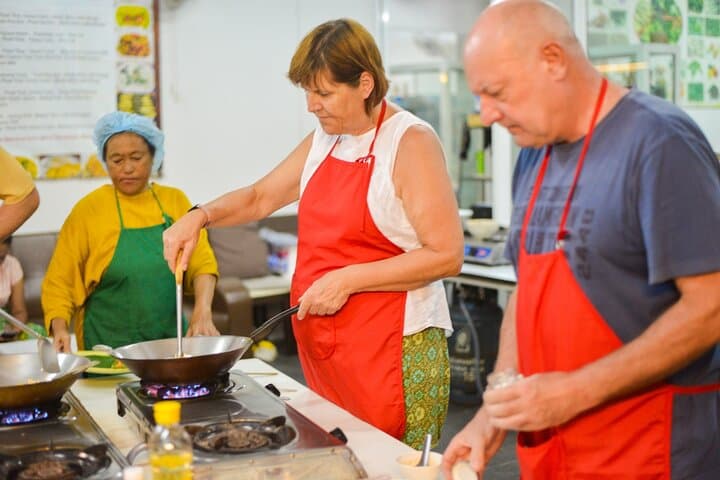
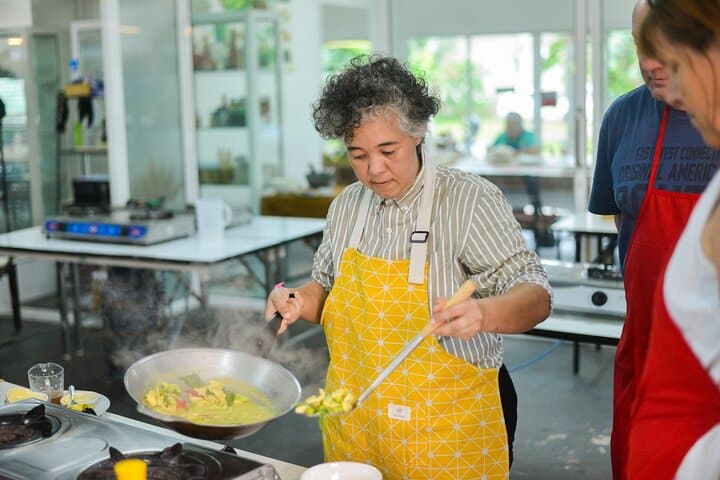
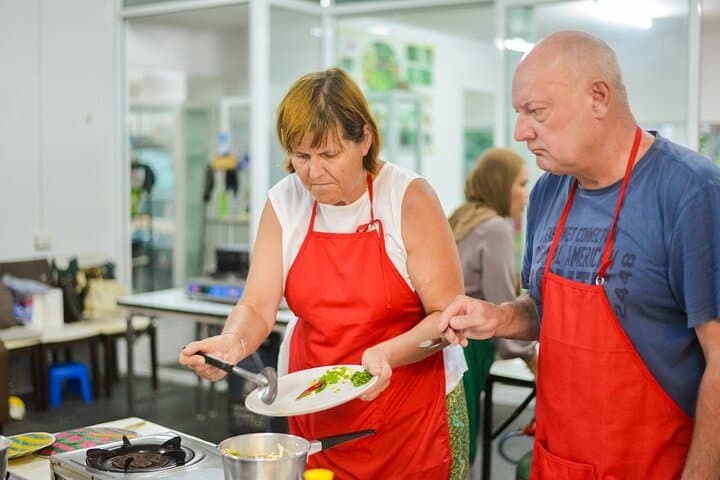
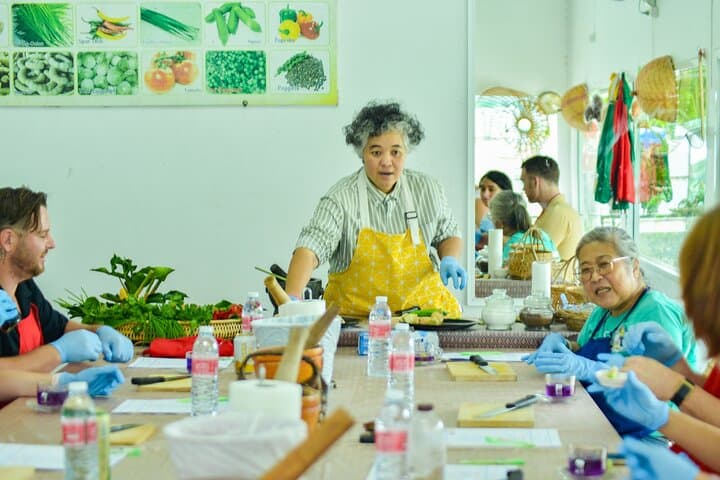
This full-day class pairs a hands-on market tour with two cooking sessions where small groups (max 12) learn to prepare 8–9 classic Thai plates — from Tom Yum and Pad Thai to Massaman and sticky rice with mango. Instructors are certified Thai cooks who teach in English and demonstrate coconut milk and coconut oil production, a nod to southern Thailand’s heavy coconut use.
Phuket’s food reflects its crossroads of Malay, Chinese and Portuguese influences, visible in spice mixes and street snacks sold beside the fish stalls. Markets here are living history; they show what sustains local palates and economies.
Practicalities are simple but important: the program runs about 7–8 hours with hotel pick-up (Patong, Karon, Kata and nearby areas typically included), and dishes can be adapted for halal, vegetarian or vegan diets. Expect active standing time, chopping and stove work; closed-toe shoes and sun protection for market time are wise. Bring small cash for extra purchases, note any allergies ahead of booking, and be prepared to take leftovers home — many guests do.
For travelers wanting culinary confidence, this is a thorough, sensory way to leave Phuket with recipes and techniques you can recreate at home.
easy.
7–8 hours.
Light physical activity: comfortable standing, basic chopping and stove work; suitable for most fitness levels.
Yes — round-trip transfers are provided for two or more guests from Patong, Karon, Kata, Chalong, Rawai, Kathu and Phuket Town areas.
Yes — dishes can be adapted for halal, vegetarian and vegan diets; indicate requirements when booking.
Children under 7 are free but must be accompanied by an adult; child tickets apply for ages 7–14.
Yes — instructors provide guidance and recipes so you can recreate the dishes after the class.
Phuket cuisine blends Malay and Chinese flavors with Portuguese and Indian influences due to centuries of trade; the island’s markets have long been the exchange point for these tastes.
Choose sustainable seafood options and limit single-use plastics; supporting small market vendors helps local producers and reduces supply-chain waste.
Oh-Hoo operates guided outdoor trips and adventures with an emphasis on safety, stewardship, and memorable experiences.
The day begins before you reach the kitchen: humid air, motorbike horns, and the bright chaos of a Phuket wet market. Vendors call out over crushed ice and baskets of herbs while lemongrass and galangal scent the air; you move through the stalls with an instructor who points out the exact chilies, fish sauce and kaffir lime leaves that give each dish its personality.
The day begins before you reach the kitchen: humid air, motorbike horns, and the bright chaos of a Phuket wet market. Vendors call out over crushed ice and baskets of herbs while lemongrass and galangal scent the air; you move through the stalls with an instructor who points out the exact chilies, fish sauce and kaffir lime leaves that give each dish its personality.
This full-day class pairs a hands-on market tour with two cooking sessions where small groups (max 12) learn to prepare 8–9 classic Thai plates — from Tom Yum and Pad Thai to Massaman and sticky rice with mango. Instructors are certified Thai cooks who teach in English and demonstrate coconut milk and coconut oil production, a nod to southern Thailand’s heavy coconut use.
Phuket’s food reflects its crossroads of Malay, Chinese and Portuguese influences, visible in spice mixes and street snacks sold beside the fish stalls. Markets here are living history; they show what sustains local palates and economies.
Practicalities are simple but important: the program runs about 7–8 hours with hotel pick-up (Patong, Karon, Kata and nearby areas typically included), and dishes can be adapted for halal, vegetarian or vegan diets. Expect active standing time, chopping and stove work; closed-toe shoes and sun protection for market time are wise. Bring small cash for extra purchases, note any allergies ahead of booking, and be prepared to take leftovers home — many guests do.
For travelers wanting culinary confidence, this is a thorough, sensory way to leave Phuket with recipes and techniques you can recreate at home.