THE ADVENTURE COLLECTIVE® · Independent discovery and booking for outdoor travel

Traverse the Siq, stand before the Treasury, and trace Nabatean and Roman ruins on this full-day border-crossing tour from Eilat. Practical insights on walking, border requirements, and timing help you plan a seamless visit.
Traverse the Siq, stand before the Treasury, and trace Nabatean and Roman ruins on this full-day border-crossing tour from Eilat. Practical insights on walking, border requirements, and timing help you plan a seamless visit.
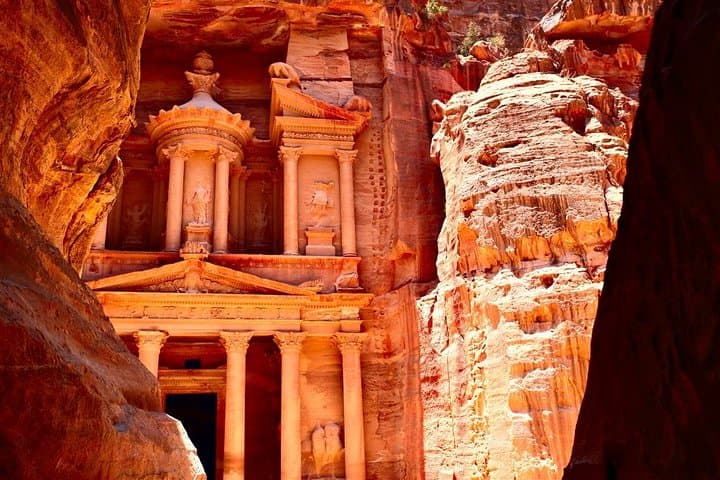
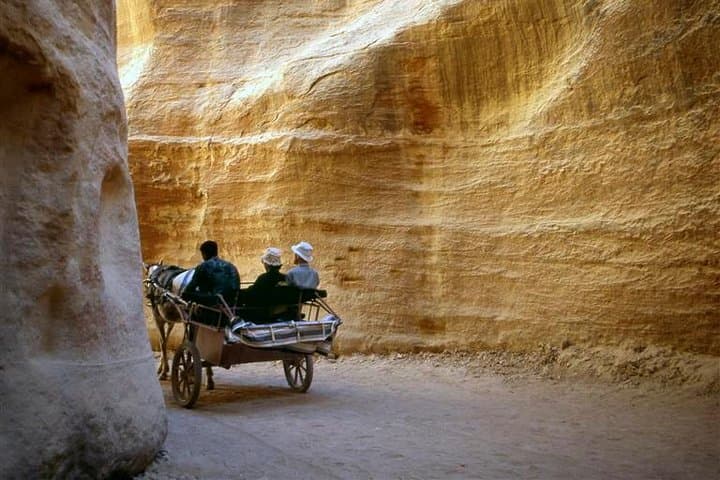
You step out of the bus and into a canyon that narrows like a throat; the Siq presses close, its sandstone walls warming and cooling as the sun moves. The passage funnels you toward the Treasury, which suddenly fills your view like an intentional reveal — sculpted stone catching light and shadow.
Verified experiences and guided adventures in the surrounding area.
Operated by Booking-tours.com · Wadi Musa, Ma'an Governorate
You step out of the bus and into a canyon that narrows like a throat; the Siq presses close, its sandstone walls warming and cooling as the sun moves. The passage funnels you toward the Treasury, which suddenly fills your view like an intentional reveal — sculpted stone catching light and shadow.
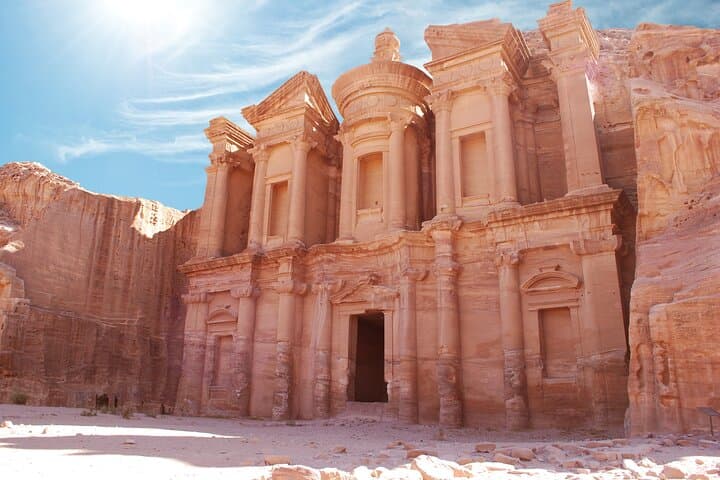
Petra was the capital of the Nabateans more than 2,000 years ago, a culture that engineered water channels and carved monumental facades into bedrock. The rock here is soft sandstone; wind and seasonal rains have painted the cliffs in bands of red, pink and ochre. Roman additions — a horseshoe-shaped theater and paved colonnades — remind visitors this was also a crossroads of trade and empire.
Expect a lot of walking: the Siq is about 1.2 km, and the site spreads across uneven terraces, steps and narrow alleys. Cultural cues matter — modest dress is appropriate at religious sites and when crossing from Israel into Jordan. Guides explain the complex water system and point out less obvious ruins: Nabatean shops, burial facades and the climbable viewpoints above the main street.
Practical notes: the tour requires a passport and border processing at the Aqaba crossing, so bring originals and local currency for visa/tips. Wear sturdy shoes with good tread; sunscreen and a hat are essential in summer, layers for winter mornings. Lunch is generally late; eat or pack snacks for the morning. If you prefer quieter moments, aim for early morning light or late afternoon when tour buses begin to thin and the carved stones cool under long shadows.
moderate.
10–12 hours.
Moderate — you should be comfortable walking several kilometers on uneven, stepped terrain and climbing short steep sections.
Yes — a current, valid passport is required for border crossing, and passport details are collected at booking.
Expect several kilometers on uneven ground including the 1.2 km Siq and additional walking between monuments; the tour covers major highlights at a steady pace.
The operator assists with paperwork at the Aqaba crossing, but allow extra time and bring local currency for any visa fees or taxes.
A buffet lunch is included, but it’s often served after the main Petra visit—eat breakfast or carry snacks for the morning.
Petra was a Nabatean trading hub known for hydraulic engineering and rock-cut architecture; Romans later expanded the city with theaters and colonnaded streets.
Stay on marked paths to protect fragile sandstone and ancient facades; visitor numbers and border logistics put extra pressure on local resources, so follow guide instructions to minimize impact.
Booking-tours.com operates guided outdoor trips and adventures with an emphasis on safety, stewardship, and memorable experiences.

You step out of the bus and into a canyon that narrows like a throat; the Siq presses close, its sandstone walls warming and cooling as the sun moves. The passage funnels you toward the Treasury, which suddenly fills your view like an intentional reveal — sculpted stone catching light and shadow.
You step out of the bus and into a canyon that narrows like a throat; the Siq presses close, its sandstone walls warming and cooling as the sun moves. The passage funnels you toward the Treasury, which suddenly fills your view like an intentional reveal — sculpted stone catching light and shadow.
Petra was the capital of the Nabateans more than 2,000 years ago, a culture that engineered water channels and carved monumental facades into bedrock. The rock here is soft sandstone; wind and seasonal rains have painted the cliffs in bands of red, pink and ochre. Roman additions — a horseshoe-shaped theater and paved colonnades — remind visitors this was also a crossroads of trade and empire.
Expect a lot of walking: the Siq is about 1.2 km, and the site spreads across uneven terraces, steps and narrow alleys. Cultural cues matter — modest dress is appropriate at religious sites and when crossing from Israel into Jordan. Guides explain the complex water system and point out less obvious ruins: Nabatean shops, burial facades and the climbable viewpoints above the main street.
Practical notes: the tour requires a passport and border processing at the Aqaba crossing, so bring originals and local currency for visa/tips. Wear sturdy shoes with good tread; sunscreen and a hat are essential in summer, layers for winter mornings. Lunch is generally late; eat or pack snacks for the morning. If you prefer quieter moments, aim for early morning light or late afternoon when tour buses begin to thin and the carved stones cool under long shadows.