THE ADVENTURE COLLECTIVE® · Independent discovery and booking for outdoor travel

Travel from Amman to Petra in a single long day: walk the Siq, see the Treasury, and explore Nabataean tombs with a local guide. Practical tips on timing, tickets, and what to pack.
Travel from Amman to Petra in a single long day: walk the Siq, see the Treasury, and explore Nabataean tombs with a local guide. Practical tips on timing, tickets, and what to pack.
Early in the morning the van slips out of Amman and the highway opens to ochre desert and low plateaus. The day unfurls as a slow reveal: first the long drive south, then the Siq’s shadowed slit, and finally the Treasury—its façade suddenly filling your view like a monument reclaimed from the rock.
Verified experiences and guided adventures in the surrounding area.
Operated by Zaid Tours and Travel · Wadi Musa, Ma'an Governorate
Early in the morning the van slips out of Amman and the highway opens to ochre desert and low plateaus. The day unfurls as a slow reveal: first the long drive south, then the Siq’s shadowed slit, and finally the Treasury—its façade suddenly filling your view like a monument reclaimed from the rock.
Petra was carved and settled by the Nabataeans more than two millennia ago as a trading crossroads between Arabia, Egypt and the Levant. The city's geology—soft sandstone banded in reds, pinks and creams—allows facades to be worked into cliffs, but also erodes with rain and foot traffic, giving the site a fragile, living surface. Local Bedouin culture remains visible in Wadi Musa and Little Petra, where caravan stops and small rock-cut chapels hint at daily life across centuries.
On a guided full-day visit from Amman expect roughly 11–12 hours door-to-door, a 1.2 km walk through the Siq, and two hours of guided highlights at the main site: the Treasury, Royal Tombs, amphitheater, and Byzantine church. Free time allows an optional climb to the Monastery or a walk toward the High Place of Sacrifice if energy and time permit.
Practical notes: bring at least 2–3 liters of water, sun protection and sturdy shoes—sandstone can be slippery after rain. If you hold a Jordan Pass, notify your operator in advance. Horse and cart options are available near the Siq but verify prices and animal welfare. Aim for an early pickup to beat midday heat and crowds; the site opens best to visitors who move at a steady, respectful pace.
moderate.
11–12 hours.
Good stamina for a long day of walking over uneven terrain and optional steep climbs to lookouts.
You do not need one to book the tour—entrance can be included or reimbursed depending on booking option; inform the operator if you already purchased a Jordan Pass.
The main site includes long walks, uneven surfaces, and steps; contact the operator ahead for mobility assistance, golf cart options, or to discuss accessibility needs.
There are cafés and basic restrooms near the main visitor areas, but options are limited—pack snacks if you have dietary needs and use facilities during scheduled breaks.
Short horse or camel rides are offered before the Siq; confirm welfare practices and fixed prices with the operator and be aware these rides are often optional and not included in the base price.
Petra was the Nabataean capital and a major caravan hub from the 4th century BCE to the 2nd century CE, renowned for hydraulic engineering and carved architecture.
Petra is a UNESCO World Heritage Site vulnerable to erosion from foot traffic and weather; visitors are asked to stay on designated paths and avoid touching facades to reduce wear.
Zaid Tours and Travel operates guided outdoor trips and adventures with an emphasis on safety, stewardship, and memorable experiences.
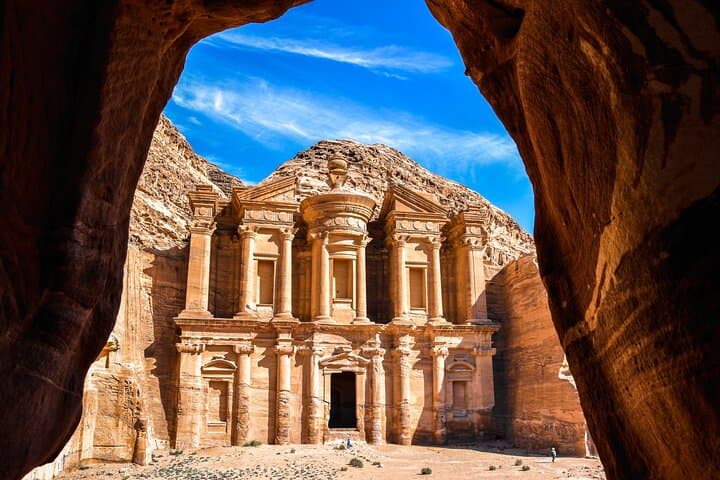
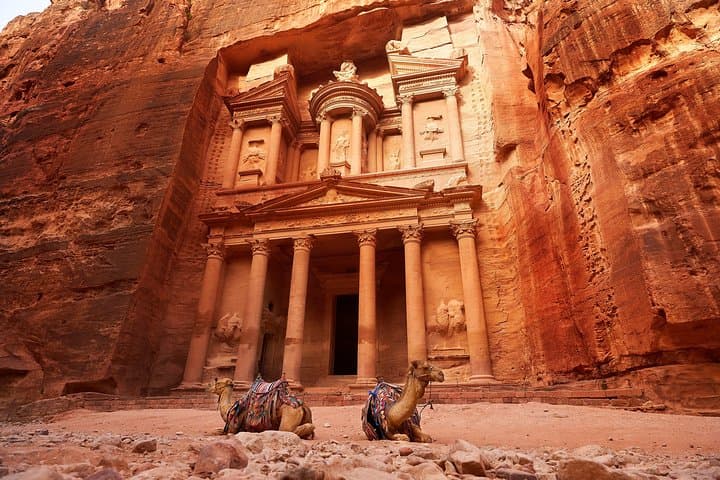
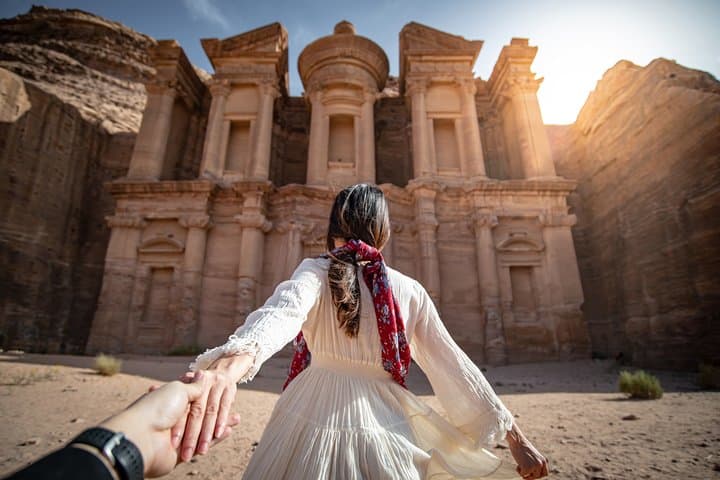
Early in the morning the van slips out of Amman and the highway opens to ochre desert and low plateaus. The day unfurls as a slow reveal: first the long drive south, then the Siq’s shadowed slit, and finally the Treasury—its façade suddenly filling your view like a monument reclaimed from the rock.
Early in the morning the van slips out of Amman and the highway opens to ochre desert and low plateaus. The day unfurls as a slow reveal: first the long drive south, then the Siq’s shadowed slit, and finally the Treasury—its façade suddenly filling your view like a monument reclaimed from the rock.
Petra was carved and settled by the Nabataeans more than two millennia ago as a trading crossroads between Arabia, Egypt and the Levant. The city's geology—soft sandstone banded in reds, pinks and creams—allows facades to be worked into cliffs, but also erodes with rain and foot traffic, giving the site a fragile, living surface. Local Bedouin culture remains visible in Wadi Musa and Little Petra, where caravan stops and small rock-cut chapels hint at daily life across centuries.
On a guided full-day visit from Amman expect roughly 11–12 hours door-to-door, a 1.2 km walk through the Siq, and two hours of guided highlights at the main site: the Treasury, Royal Tombs, amphitheater, and Byzantine church. Free time allows an optional climb to the Monastery or a walk toward the High Place of Sacrifice if energy and time permit.
Practical notes: bring at least 2–3 liters of water, sun protection and sturdy shoes—sandstone can be slippery after rain. If you hold a Jordan Pass, notify your operator in advance. Horse and cart options are available near the Siq but verify prices and animal welfare. Aim for an early pickup to beat midday heat and crowds; the site opens best to visitors who move at a steady, respectful pace.