THE ADVENTURE COLLECTIVE® · Independent discovery and booking for outdoor travel

Make a long but unforgettable sweep through Jordan in one day: walk Petra’s Siq to the Treasury, then cross into the vast moonscape of Wadi Rum. This full-day private tour blends history, geology, and Bedouin culture with practical transport and local guidance.
Make a long but unforgettable sweep through Jordan in one day: walk Petra’s Siq to the Treasury, then cross into the vast moonscape of Wadi Rum. This full-day private tour blends history, geology, and Bedouin culture with practical transport and local guidance.
You step out of the vehicle as the morning light softens the rose-red cliffs of Petra. The city does not reveal itself all at once; it coaxes you through the Siq — a narrow fissure where the rock leans close and the air cools — and then opens onto the Treasury like a stage set arranged for awe. Hours later, the desert will do the opposite: Wadi Rum throws its horizons wide, rock faces and dunes stretching until the sky looks as big as a promise.
Verified experiences and guided adventures in the surrounding area.
Operated by VIP Jordan Limo · Wadi Musa, Ma'an Governorate
You step out of the vehicle as the morning light softens the rose-red cliffs of Petra. The city does not reveal itself all at once; it coaxes you through the Siq — a narrow fissure where the rock leans close and the air cools — and then opens onto the Treasury like a stage set arranged for awe. Hours later, the desert will do the opposite: Wadi Rum throws its horizons wide, rock faces and dunes stretching until the sky looks as big as a promise.
Petra and Wadi Rum are two chapters of Jordan’s long story. Petra was chiseled by the Nabataeans beginning in the 6th century B.C., a caravan hub carved directly from sandstone whose colors shift with the sun. Wadi Rum’s steep sandstone and granite towers were shaped over millions of years by wind, water, and temperature—erosion that carved alcoves, arches, and sweeping shadowed canyons. Bedouin families have lived in and traversed these landscapes for centuries; in Wadi Rum you’ll find inscriptions, camp sites, and an enduring hospitality rooted in desert life.
On a practical level, this is a very long day: expect 13–15 hours door-to-door. The drive from Amman to Petra is roughly three hours each way; a smaller, scenic 1.5-hour hop connects Petra to Wadi Rum. In Petra plan for 2–4 miles of walking on uneven stone, steps, and packed earth—some sections are flat, others require steady footing and a few climbs to viewpoints like the Royal Tombs and the Monastery (Ad Deir). Wadi Rum is mostly off-road driving with short walks across sand and rock; dunes and occasional steep gullies demand ankle-friendly shoes.
Bring sun protection, carry a liter of water for every 2–3 hours of activity, and start early to avoid the midday heat. Entrance fees and optional horseback or camel rides are generally not included; have local currency on hand. Wear supportive footwear—rock in Petra and shifting sand in Wadi Rum both punish flimsy soles. The itinerary suits most fitness levels but requires stamina for a long day and the ability to walk repeatedly on uneven terrain.
Culturally, respect local customs: modest dress is appreciated, and small tips for local guides and camel drivers are customary. Environmentally, stick to marked paths where they exist, avoid leaving litter, and support local Bedouin-run services when possible—this keeps tourism beneficial to the communities that steward these places.
By day’s end you’ll return to the city with sand in your shoes and a sharper sense of time and scale—rock that remembers caravans and desert that remembers footsteps. It’s an exhausting, singularly rewarding way to see two of Jordan’s most elemental places in a single sweep.
moderate.
13–15 hours.
Comfortable walking fitness required; able to cover 2–4 miles across uneven terrain and manage a long day of travel
No—this tour’s admissions are typically not included; purchase tickets at the sites or arrange in advance and budget for entry fees and any optional activities.
Expect about three hours each way between Amman and Petra, and roughly 1.5 hours from Petra to Wadi Rum; total travel time depends on traffic and stops.
The tour is physically long but suitable for many ages; however, Petra involves uneven paths and steps—people with limited mobility should check specific accessibility options in advance.
Meals are not always included—some itineraries include a lunch stop while others leave meal arrangements to the guest; confirm with the operator and bring snacks for energy between stops.
A guide enhances the experience with historical context and navigation; local Bedouin guides in Wadi Rum also provide cultural insight—consider hiring one at each site if not included.
Tipping is customary: consider modest amounts for drivers and more for local guides or Bedouin hosts, adjusted to service, group size, and local norms.
Petra was the Nabataeans’ capital and a crossroads of caravan trade; Wadi Rum has hosted Bedouin communities for millennia and figured in T.E. Lawrence’s wartime routes.
Both sites are UNESCO-protected—stay on established paths, minimize waste, and support local Bedouin businesses to help preserve cultural landscapes.
VIP Jordan Limo operates guided outdoor trips and adventures with an emphasis on safety, stewardship, and memorable experiences.
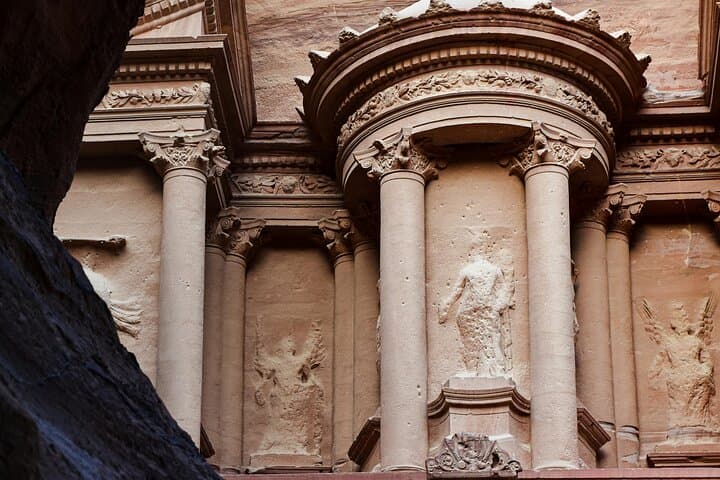
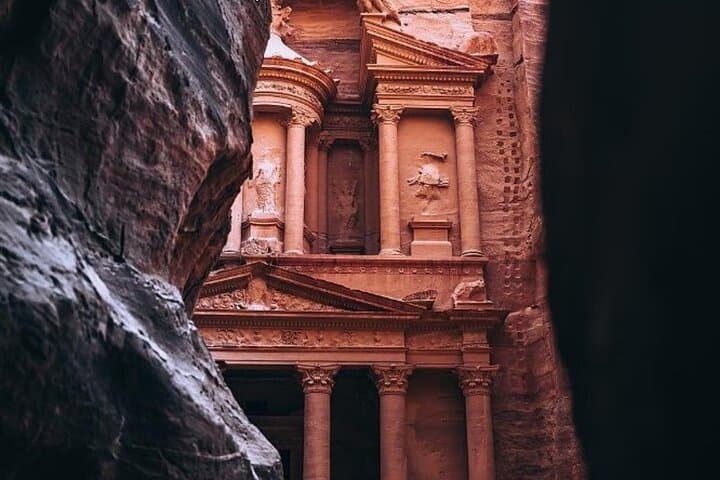
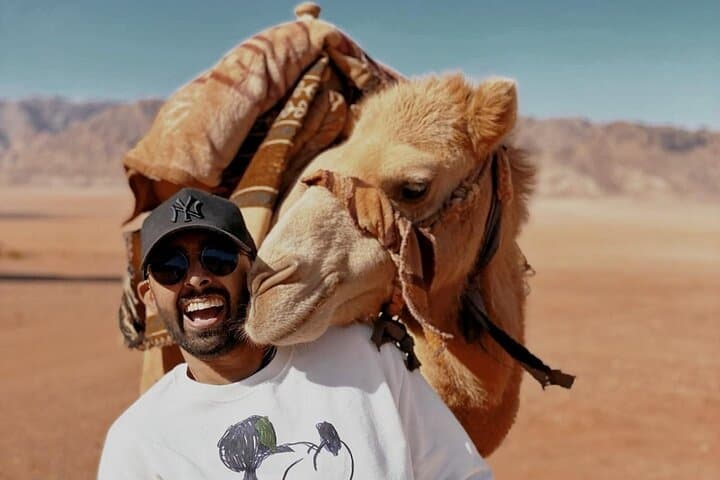
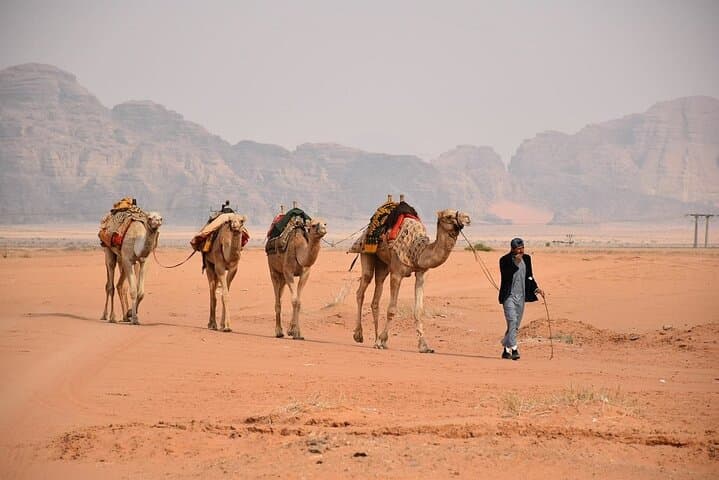
You step out of the vehicle as the morning light softens the rose-red cliffs of Petra. The city does not reveal itself all at once; it coaxes you through the Siq — a narrow fissure where the rock leans close and the air cools — and then opens onto the Treasury like a stage set arranged for awe. Hours later, the desert will do the opposite: Wadi Rum throws its horizons wide, rock faces and dunes stretching until the sky looks as big as a promise.
You step out of the vehicle as the morning light softens the rose-red cliffs of Petra. The city does not reveal itself all at once; it coaxes you through the Siq — a narrow fissure where the rock leans close and the air cools — and then opens onto the Treasury like a stage set arranged for awe. Hours later, the desert will do the opposite: Wadi Rum throws its horizons wide, rock faces and dunes stretching until the sky looks as big as a promise.
Petra and Wadi Rum are two chapters of Jordan’s long story. Petra was chiseled by the Nabataeans beginning in the 6th century B.C., a caravan hub carved directly from sandstone whose colors shift with the sun. Wadi Rum’s steep sandstone and granite towers were shaped over millions of years by wind, water, and temperature—erosion that carved alcoves, arches, and sweeping shadowed canyons. Bedouin families have lived in and traversed these landscapes for centuries; in Wadi Rum you’ll find inscriptions, camp sites, and an enduring hospitality rooted in desert life.
On a practical level, this is a very long day: expect 13–15 hours door-to-door. The drive from Amman to Petra is roughly three hours each way; a smaller, scenic 1.5-hour hop connects Petra to Wadi Rum. In Petra plan for 2–4 miles of walking on uneven stone, steps, and packed earth—some sections are flat, others require steady footing and a few climbs to viewpoints like the Royal Tombs and the Monastery (Ad Deir). Wadi Rum is mostly off-road driving with short walks across sand and rock; dunes and occasional steep gullies demand ankle-friendly shoes.
Bring sun protection, carry a liter of water for every 2–3 hours of activity, and start early to avoid the midday heat. Entrance fees and optional horseback or camel rides are generally not included; have local currency on hand. Wear supportive footwear—rock in Petra and shifting sand in Wadi Rum both punish flimsy soles. The itinerary suits most fitness levels but requires stamina for a long day and the ability to walk repeatedly on uneven terrain.
Culturally, respect local customs: modest dress is appreciated, and small tips for local guides and camel drivers are customary. Environmentally, stick to marked paths where they exist, avoid leaving litter, and support local Bedouin-run services when possible—this keeps tourism beneficial to the communities that steward these places.
By day’s end you’ll return to the city with sand in your shoes and a sharper sense of time and scale—rock that remembers caravans and desert that remembers footsteps. It’s an exhausting, singularly rewarding way to see two of Jordan’s most elemental places in a single sweep.