THE ADVENTURE COLLECTIVE® · Independent discovery and booking for outdoor travel

Travel from Islamabad to the storied streets of Peshawar on a full-day guided tour that pairs Gandharan artifacts with lively bazaars and Mughal-era architecture. Expect compact walks, powerful history, and practical tips for navigating markets and mosques.
Travel from Islamabad to the storied streets of Peshawar on a full-day guided tour that pairs Gandharan artifacts with lively bazaars and Mughal-era architecture. Expect compact walks, powerful history, and practical tips for navigating markets and mosques.
A dusty highway unfurls as your vehicle pushes west from Islamabad, the city giving way to a wide plain where the air smells of cumin and diesel. By midmorning Peshawar appears: a compact city of flat-roofed houses, minarets, and the steady pulse of markets. You step into Qissa Khwani Bazaar where voices weave like threads—vendors, storytellers, and the clack of wooden carts—then move to the cool hush of Mohabbat Khan Mosque with its blue-tiled arches.
Verified experiences and guided adventures in the surrounding area.
Operated by Travel Pakistan · Peshawar, Khyber Pakhtunkhwa
A dusty highway unfurls as your vehicle pushes west from Islamabad, the city giving way to a wide plain where the air smells of cumin and diesel. By midmorning Peshawar appears: a compact city of flat-roofed houses, minarets, and the steady pulse of markets. You step into Qissa Khwani Bazaar where voices weave like threads—vendors, storytellers, and the clack of wooden carts—then move to the cool hush of Mohabbat Khan Mosque with its blue-tiled arches.
This day tour threads together centuries: the Gandhara Museum’s Greco-Buddhist sculptures (1st–5th centuries AD) speak to ancient crossroads of Asia, while Sethi House and the Cunningham Clock Tower show 19th-century mercantile wealth and colonial imprint. Fort Bala Hissar’s ramparts recall strategic contests for the valley; the landscape itself is alluvial plain at the foot of the Khyber approaches, shaped by the nearby Indus and tributaries rather than dramatic peaks.
Expect concentrated cultural immersion more than physical exertion—short walks between sites, narrow alleys, and stairs in heritage houses. Practicalities matter: modest dress at religious sites, small-denomination cash for bazaar purchases, and a local guide to translate stories and negotiate entry where needed. The day is long—plan for 8–12 hours including transit—and peaks midday when light brings out the carved faces in stone and the blue tiles glow.
Wear broken-in shoes for cobbles, keep water close, and allow time to linger in a tea stall; Peshawar rewards curiosity as much as itinerary checkboxes.
easy.
8–12 hours.
Basic mobility for short urban walks and steps; suitable for most fitness levels
Pickup points are arranged—confirm your preferred Islamabad pickup location when booking so the operator can schedule the private transfer.
Some admissions (e.g., Gandhara Museum and Sethi House) are noted as included in parts of the itinerary but check your booking details; bring ID for entry where required.
Bottled water and fees/taxes are included; lunch is typically not included so plan for a local meal at a recommended restaurant or street stall during the day.
Photography rules vary—mosques require respectful behavior and may restrict flash; check signage and ask staff before photographing interior exhibits.
Peshawar was a major node of the ancient Gandhara civilization and later absorbed Mughal and British influences, visible in its Buddhist relics, Mughal mosques, and colonial clock tower.
Heritage structures and havelis face wear from urban pressure—support museums and paid guides, avoid littering, and minimize single-use plastics to reduce visitor impact.
Travel Pakistan operates guided outdoor trips and adventures with an emphasis on safety, stewardship, and memorable experiences.
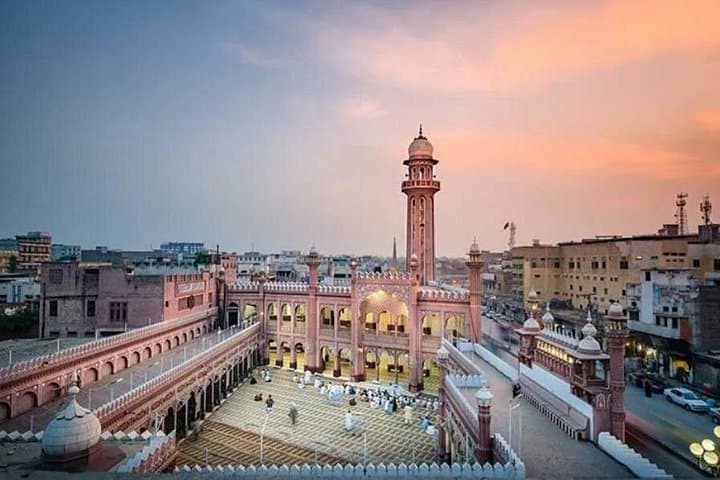
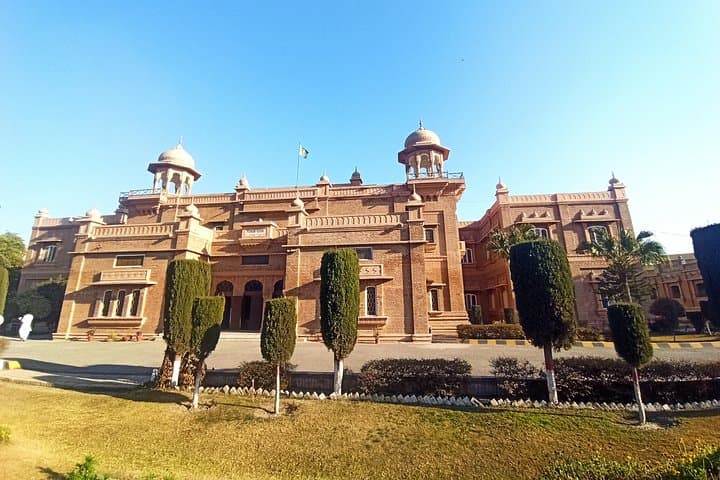
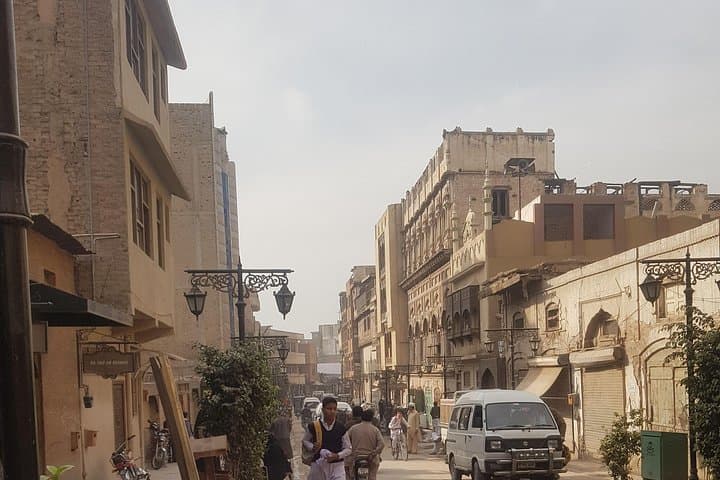
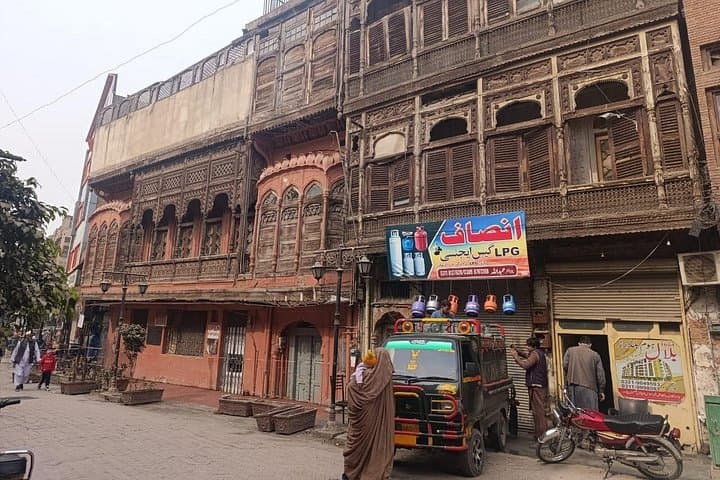
A dusty highway unfurls as your vehicle pushes west from Islamabad, the city giving way to a wide plain where the air smells of cumin and diesel. By midmorning Peshawar appears: a compact city of flat-roofed houses, minarets, and the steady pulse of markets. You step into Qissa Khwani Bazaar where voices weave like threads—vendors, storytellers, and the clack of wooden carts—then move to the cool hush of Mohabbat Khan Mosque with its blue-tiled arches.
A dusty highway unfurls as your vehicle pushes west from Islamabad, the city giving way to a wide plain where the air smells of cumin and diesel. By midmorning Peshawar appears: a compact city of flat-roofed houses, minarets, and the steady pulse of markets. You step into Qissa Khwani Bazaar where voices weave like threads—vendors, storytellers, and the clack of wooden carts—then move to the cool hush of Mohabbat Khan Mosque with its blue-tiled arches.
This day tour threads together centuries: the Gandhara Museum’s Greco-Buddhist sculptures (1st–5th centuries AD) speak to ancient crossroads of Asia, while Sethi House and the Cunningham Clock Tower show 19th-century mercantile wealth and colonial imprint. Fort Bala Hissar’s ramparts recall strategic contests for the valley; the landscape itself is alluvial plain at the foot of the Khyber approaches, shaped by the nearby Indus and tributaries rather than dramatic peaks.
Expect concentrated cultural immersion more than physical exertion—short walks between sites, narrow alleys, and stairs in heritage houses. Practicalities matter: modest dress at religious sites, small-denomination cash for bazaar purchases, and a local guide to translate stories and negotiate entry where needed. The day is long—plan for 8–12 hours including transit—and peaks midday when light brings out the carved faces in stone and the blue tiles glow.
Wear broken-in shoes for cobbles, keep water close, and allow time to linger in a tea stall; Peshawar rewards curiosity as much as itinerary checkboxes.