THE ADVENTURE COLLECTIVE® · Independent discovery and booking for outdoor travel

Trace Roman baths, a world-class ancient theatre and the sea-side columns of Apollo on a full-day guided loop from Antalya. History, geology and local flavor in one long, walkable day.
Trace Roman baths, a world-class ancient theatre and the sea-side columns of Apollo on a full-day guided loop from Antalya. History, geology and local flavor in one long, walkable day.
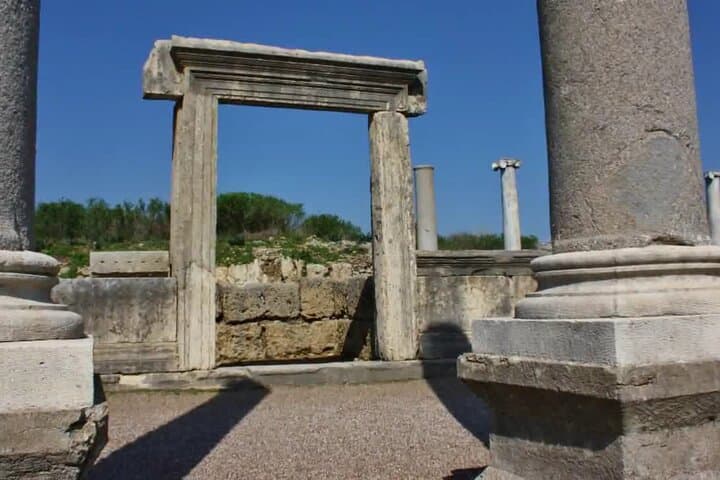
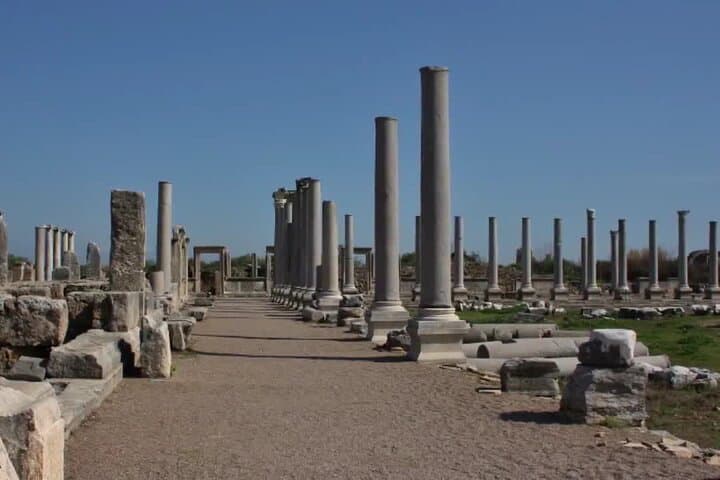
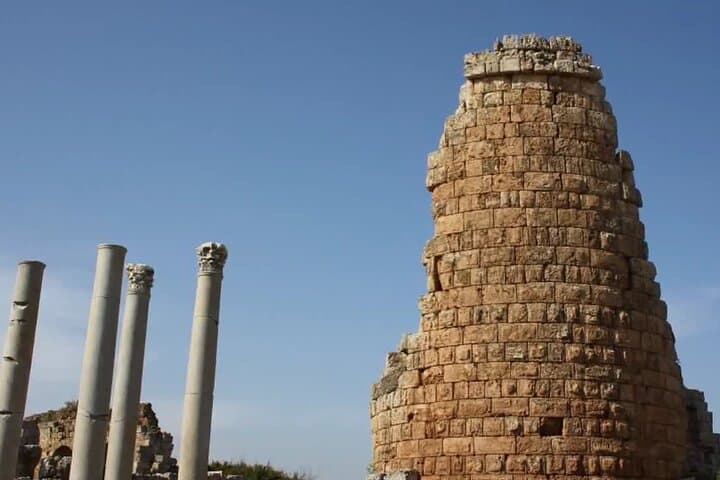
You step onto the coach before dawn, the Mediterranean light still soft on the Taurus foothills as the driver eases toward ancient stone. By midmorning the air carries the faint clatter of excavation and the smell of dry earth; columns rise from scrub like punctuation marks in a long, complicated sentence. This is a day where empires pass by in sequence — Roman baths at Perge, the perfectly preserved acoustics of Aspendos, and the sea-framed columns of Side's Temple of Apollo.
Verified experiences and guided adventures in the surrounding area.
Operated by charito · Antalya, Antalya Province
You step onto the coach before dawn, the Mediterranean light still soft on the Taurus foothills as the driver eases toward ancient stone. By midmorning the air carries the faint clatter of excavation and the smell of dry earth; columns rise from scrub like punctuation marks in a long, complicated sentence. This is a day where empires pass by in sequence — Roman baths at Perge, the perfectly preserved acoustics of Aspendos, and the sea-framed columns of Side's Temple of Apollo.
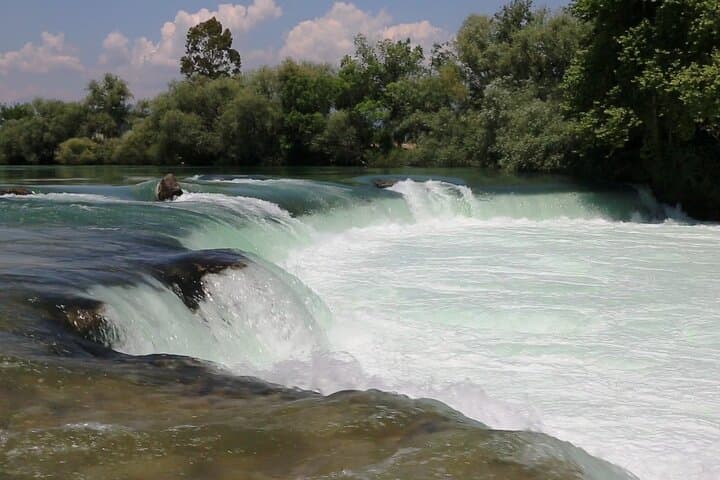
Perge and Aspendos occupy layers of Anatolian history: Greek foundations reworked by Hellenistic planning and Roman engineering, later threaded into Ottoman-era trade routes. Geologically the region is limestone and alluvial plains fed by nearby rivers; the white stone of theatres and temples owes its endurance to the local bedrock, while Manavgat’s cascade has carved a shallow gorge that keeps the valley green.
Local culture remains tactile — markets in Antalya and Side still trade citrus, handwoven textiles and spices that merchants have sold for centuries. Guides on this tour unpack how water management and roads shaped urban life here, and how the theatre at Aspendos was built to make voices travel without amplification.
Practical guidance: this shared tour runs about 7–8 hours, includes lunch, hotel pickup/drop-off and a guide; admissions are mixed so carry small cash or card. Expect uneven stone paths, steps and some walking between sites; good walking shoes, sun protection and a refillable water bottle will keep the day comfortable. Arrive rested, start early to avoid midday heat, and save room on your camera: the theatre, the harbor at Side at low tide, and Manavgat Waterfall all reward careful framing.
easy.
7–8 hours.
Suitable for most people who can walk several hundred meters and climb steps; some standing and moderate walking required.
Admissions vary by site; the itinerary notes that some admissions are not included, so bring payment for any tickets not covered by the tour.
Yes — the tour includes pickup and drop-off from hotels or addresses in Antalya as described in the inclusions.
The tour lasts approximately 7–8 hours (420–480 minutes) including travel between sites and lunch.
The operator notes stroller access and infant seats are available, but some ruins have steps and uneven ground that may be difficult for very young children.
Perge, Aspendos and Side reflect successive Greek, Hellenistic and Roman urban planning; Aspendos’ theatre is famed for preserved acoustics from the 2nd century AD.
These archaeological sites are sensitive — stick to marked paths, avoid climbing on ruins and support local conservation by using licensed guides and buying local goods.
charito operates guided outdoor trips and adventures with an emphasis on safety, stewardship, and memorable experiences.
You step onto the coach before dawn, the Mediterranean light still soft on the Taurus foothills as the driver eases toward ancient stone. By midmorning the air carries the faint clatter of excavation and the smell of dry earth; columns rise from scrub like punctuation marks in a long, complicated sentence. This is a day where empires pass by in sequence — Roman baths at Perge, the perfectly preserved acoustics of Aspendos, and the sea-framed columns of Side's Temple of Apollo.
You step onto the coach before dawn, the Mediterranean light still soft on the Taurus foothills as the driver eases toward ancient stone. By midmorning the air carries the faint clatter of excavation and the smell of dry earth; columns rise from scrub like punctuation marks in a long, complicated sentence. This is a day where empires pass by in sequence — Roman baths at Perge, the perfectly preserved acoustics of Aspendos, and the sea-framed columns of Side's Temple of Apollo.
Perge and Aspendos occupy layers of Anatolian history: Greek foundations reworked by Hellenistic planning and Roman engineering, later threaded into Ottoman-era trade routes. Geologically the region is limestone and alluvial plains fed by nearby rivers; the white stone of theatres and temples owes its endurance to the local bedrock, while Manavgat’s cascade has carved a shallow gorge that keeps the valley green.
Local culture remains tactile — markets in Antalya and Side still trade citrus, handwoven textiles and spices that merchants have sold for centuries. Guides on this tour unpack how water management and roads shaped urban life here, and how the theatre at Aspendos was built to make voices travel without amplification.
Practical guidance: this shared tour runs about 7–8 hours, includes lunch, hotel pickup/drop-off and a guide; admissions are mixed so carry small cash or card. Expect uneven stone paths, steps and some walking between sites; good walking shoes, sun protection and a refillable water bottle will keep the day comfortable. Arrive rested, start early to avoid midday heat, and save room on your camera: the theatre, the harbor at Side at low tide, and Manavgat Waterfall all reward careful framing.