THE ADVENTURE COLLECTIVE® · Independent discovery and booking for outdoor travel

Spend a full day exploring Lohagad Fort, Bhaja Caves, Pawna Lake and Lonavala on a guided tour from Mumbai. Short hikes, sweeping viewpoints, and local history make this a compact Sahyadri sampler.
Spend a full day exploring Lohagad Fort, Bhaja Caves, Pawna Lake and Lonavala on a guided tour from Mumbai. Short hikes, sweeping viewpoints, and local history make this a compact Sahyadri sampler.
Morning light thins through low clouds as the coach leaves Mumbai behind; by the time the road narrows and hills rise, the air has a sharp, green edge. Travelers step out at Lohagad to meet wind at Hawa Point, where the fort’s ramparts throw wide views of ridgelines and terraced farmland. The breeze almost insists you look farther.
Verified experiences and guided adventures in the surrounding area.
Operated by Yo Tours · Lonavala, Maharashtra
Morning light thins through low clouds as the coach leaves Mumbai behind; by the time the road narrows and hills rise, the air has a sharp, green edge. Travelers step out at Lohagad to meet wind at Hawa Point, where the fort’s ramparts throw wide views of ridgelines and terraced farmland. The breeze almost insists you look farther.
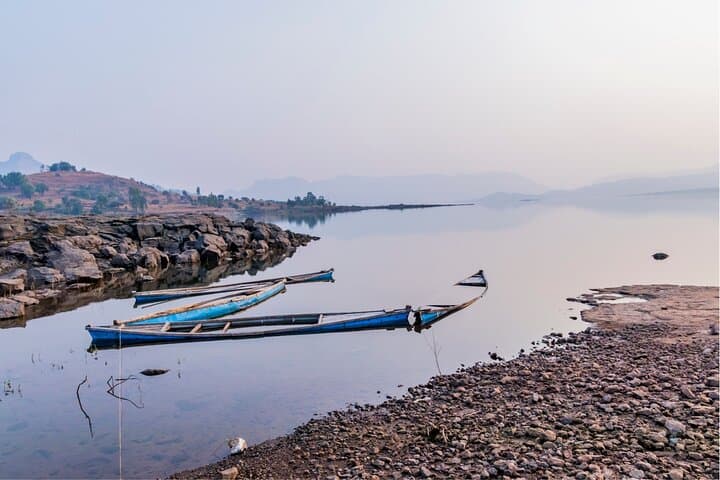
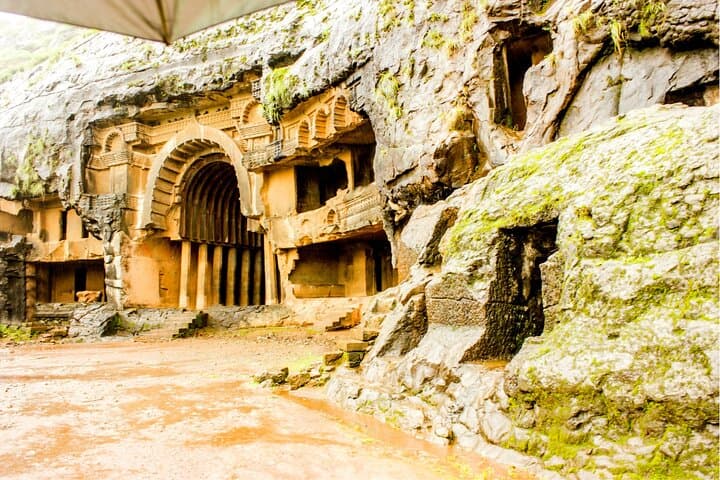
Lohagad’s stones record centuries: rebuilt and contested during the Maratha period, the fort’s strategic location anchors a landscape carved by weather and human hands. Nearby Bhaja Caves slip back nearly two millennia—rock-cut chaityas and carved reliefs that illustrate early Buddhist monastic life. Pawna Lake, an artificial reservoir fed by the Pawna dam, pushes glitter across the valley and is now a favored picnic and camping basin. Lonavala itself grew as a hill-station escape during the British colonial era and today balances tourism with working farms and monsoon-fed waterfalls.
Expect short climbs and stair-steep sections at Lohagad and Bhaja; surfaces range from broken stone to compact dirt. Weather dictates much: monsoon turns paths slick, winter brings mist and clearer long views. Guides will shuttle between 2–3 sites in a day, providing historical context and local stories.
Practical guidance: wear grippy footwear, carry 1–2 liters of water, and bring a lightweight rain layer in the monsoon. Start early to avoid traffic and maximize daylight. Respect archaeological sites—stay on trails and pack out trash. With a mix of gentle hikes, cultural sites, and open-water scenery, this full-day loop offers a compact survey of the Sahyadris’ accessible highlights.
moderate.
10–12 hours.
Suitable for travelers comfortable with short uphill walks and stair sections; no special endurance required
Yes—this tour includes round-trip transportation from Mumbai with confirmed pickup points; details are provided at booking.
Most sites like Lohagad and Bhaja are open access with minimal or no formal entry fees, though local parking or guide charges may apply.
The itinerary is family-friendly with short walks; however Lohagad has exposed steps and uneven ground—assistive support is recommended for limited-mobility visitors.
Post-monsoon (October–February) offers clear views and cooler temperatures; monsoon (June–September) creates waterfalls but makes trails slippery.
Lohagad played a strategic role in Maratha military campaigns and changed hands several times; Bhaja Caves are early Buddhist rock-cut structures dating back to around the 2nd century BCE.
Heavy day-tour traffic and litter pressure are concerns—practice pack-in, pack-out, avoid single-use plastics, and stick to marked paths to protect fragile rock sites.
Yo Tours operates guided outdoor trips and adventures with an emphasis on safety, stewardship, and memorable experiences.
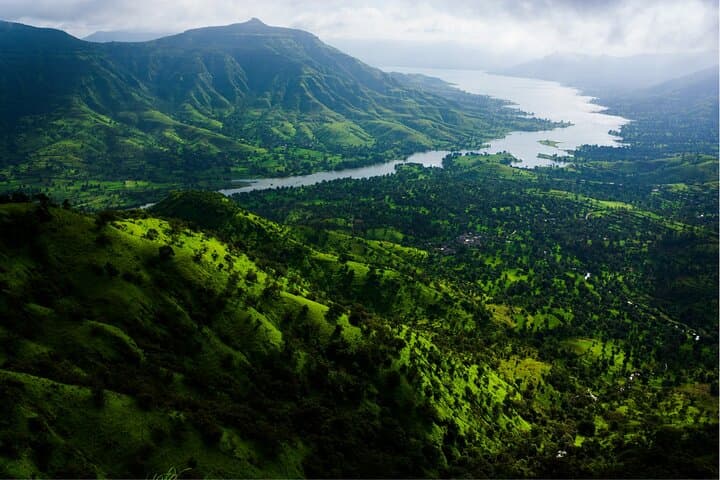
Morning light thins through low clouds as the coach leaves Mumbai behind; by the time the road narrows and hills rise, the air has a sharp, green edge. Travelers step out at Lohagad to meet wind at Hawa Point, where the fort’s ramparts throw wide views of ridgelines and terraced farmland. The breeze almost insists you look farther.
Morning light thins through low clouds as the coach leaves Mumbai behind; by the time the road narrows and hills rise, the air has a sharp, green edge. Travelers step out at Lohagad to meet wind at Hawa Point, where the fort’s ramparts throw wide views of ridgelines and terraced farmland. The breeze almost insists you look farther.
Lohagad’s stones record centuries: rebuilt and contested during the Maratha period, the fort’s strategic location anchors a landscape carved by weather and human hands. Nearby Bhaja Caves slip back nearly two millennia—rock-cut chaityas and carved reliefs that illustrate early Buddhist monastic life. Pawna Lake, an artificial reservoir fed by the Pawna dam, pushes glitter across the valley and is now a favored picnic and camping basin. Lonavala itself grew as a hill-station escape during the British colonial era and today balances tourism with working farms and monsoon-fed waterfalls.
Expect short climbs and stair-steep sections at Lohagad and Bhaja; surfaces range from broken stone to compact dirt. Weather dictates much: monsoon turns paths slick, winter brings mist and clearer long views. Guides will shuttle between 2–3 sites in a day, providing historical context and local stories.
Practical guidance: wear grippy footwear, carry 1–2 liters of water, and bring a lightweight rain layer in the monsoon. Start early to avoid traffic and maximize daylight. Respect archaeological sites—stay on trails and pack out trash. With a mix of gentle hikes, cultural sites, and open-water scenery, this full-day loop offers a compact survey of the Sahyadris’ accessible highlights.