THE ADVENTURE COLLECTIVE® · Independent discovery and booking for outdoor travel

Spend a full day exploring Patan and Bhaktapur—two UNESCO World Heritage Durbar Squares in the Kathmandu Valley. This private tour combines guided history, close-up temple visits, and a comfortable pace across narrow lanes and historic plazas.
Spend a full day exploring Patan and Bhaktapur—two UNESCO World Heritage Durbar Squares in the Kathmandu Valley. This private tour combines guided history, close-up temple visits, and a comfortable pace across narrow lanes and historic plazas.
Morning light breaks over terracotta rooftops as your private car slips through the valley, the Bagmati River murmuring at the city’s edge and monkeys already staking claims on temple roofs. You begin in Patan (Lalitpur), where narrow lanes funnel you toward the carved windows and courtyards of Patan Durbar Square; then the road leads north to Bhaktapur, where stone squares and potters’ kilns hold the slow rhythms of Newar life.
Verified experiences and guided adventures in the surrounding area.
Operated by Outshine Adventure Pvt Ltd · Kathmandu, Bagmati Province
Morning light breaks over terracotta rooftops as your private car slips through the valley, the Bagmati River murmuring at the city’s edge and monkeys already staking claims on temple roofs. You begin in Patan (Lalitpur), where narrow lanes funnel you toward the carved windows and courtyards of Patan Durbar Square; then the road leads north to Bhaktapur, where stone squares and potters’ kilns hold the slow rhythms of Newar life.
These sites are core chapters in the Kathmandu Valley’s history: compact medieval cities shaped by the Malla kings, centuries of Newar craftsmanship, and seismic geology that has repeatedly reshaped monuments and communities. Patan’s palace complex and sculpted bronze work show the syncretic Hindu–Buddhist traditions; Bhaktapur’s 17th-century architecture centers around pottery, woodcarving and the imposing 55-window palace.
Expect close-up encounters with temples, short stair climbs, and crowded market lanes that reward patient exploration. Guides here are government-licensed and provide cultural context—how stonework reflects cosmology, where to stand for unobstructed views, and when to remove shoes at a shrine.
Practical guidance: wear grippy walking shoes for uneven stone and steps, carry a refillable water bottle, and bring a light layer for sudden weather changes. Photography is welcomed at most outdoor sites but follow signs at restricted monuments. Plan for a 6–8 hour day with breaks for tea and lunch; most visitors find a private car and an experienced guide make the pace comfortable and the stories richer.
easy.
6–8 hours.
Light urban walking; suitable for most fitness levels but expect multiple short stair sections and uneven paving.
Most entrance fees are not included by default—confirm with the operator; guides usually advise which tickets you'll need and where to purchase them.
Yes, the tour includes private car transportation; confirm your pickup point and time when booking.
Yes—this product specifies government-licensed guides who are experienced and speak English.
The tour is graded easy and suitable for most ages, but infants must sit on laps and those with limited mobility should check stair and walking demands in advance.
Patan and Bhaktapur flourished under the Malla dynasty (12th–18th centuries); their Durbar Squares preserve Newar urban design and centuries of artisanal craft.
The valley’s monuments are earthquake-vulnerable and restoration is ongoing—stay on marked paths, avoid touching fragile carvings, and support local conservation through responsible tourism.
Outshine Adventure Pvt Ltd operates guided outdoor trips and adventures with an emphasis on safety, stewardship, and memorable experiences.
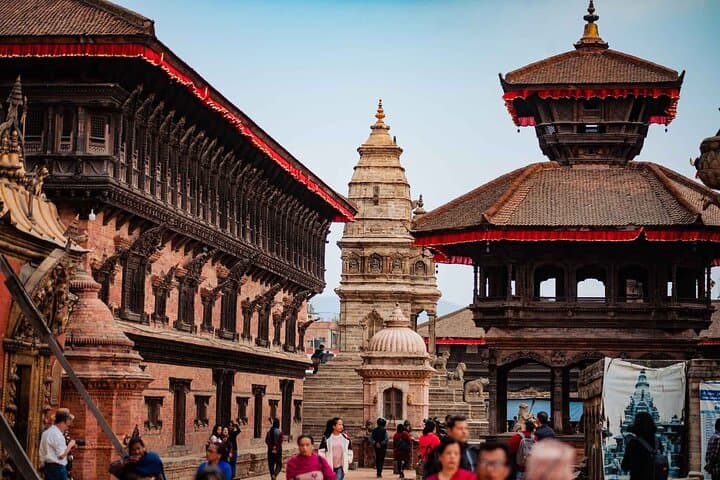
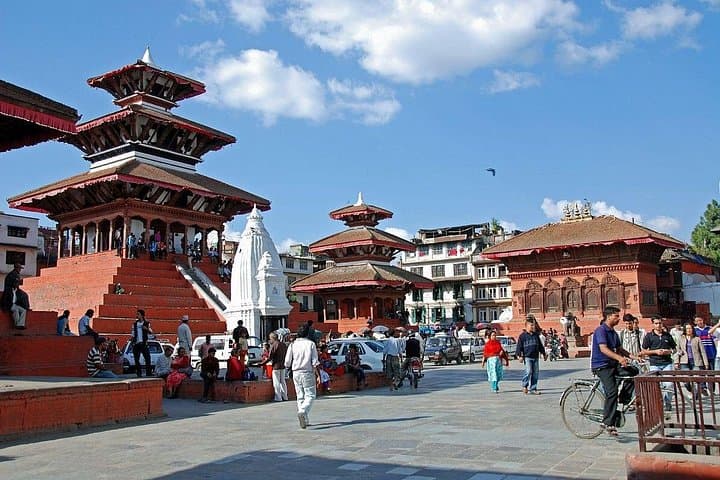
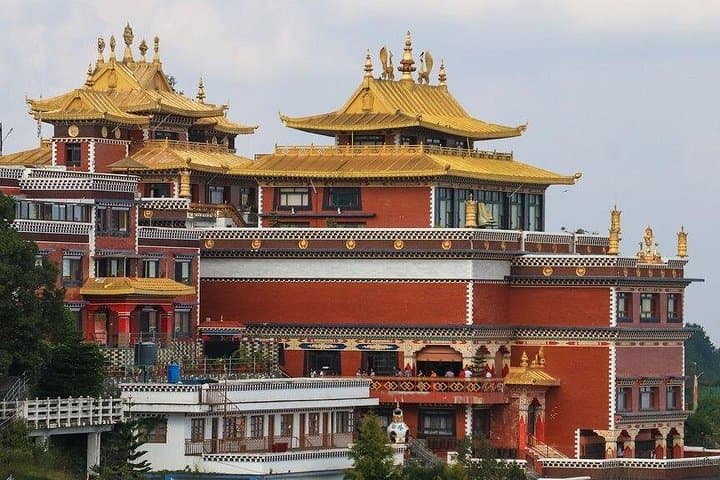
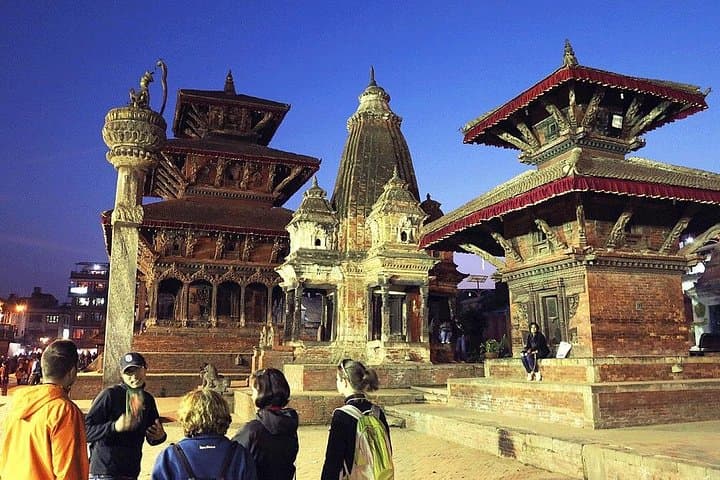
Morning light breaks over terracotta rooftops as your private car slips through the valley, the Bagmati River murmuring at the city’s edge and monkeys already staking claims on temple roofs. You begin in Patan (Lalitpur), where narrow lanes funnel you toward the carved windows and courtyards of Patan Durbar Square; then the road leads north to Bhaktapur, where stone squares and potters’ kilns hold the slow rhythms of Newar life.
Morning light breaks over terracotta rooftops as your private car slips through the valley, the Bagmati River murmuring at the city’s edge and monkeys already staking claims on temple roofs. You begin in Patan (Lalitpur), where narrow lanes funnel you toward the carved windows and courtyards of Patan Durbar Square; then the road leads north to Bhaktapur, where stone squares and potters’ kilns hold the slow rhythms of Newar life.
These sites are core chapters in the Kathmandu Valley’s history: compact medieval cities shaped by the Malla kings, centuries of Newar craftsmanship, and seismic geology that has repeatedly reshaped monuments and communities. Patan’s palace complex and sculpted bronze work show the syncretic Hindu–Buddhist traditions; Bhaktapur’s 17th-century architecture centers around pottery, woodcarving and the imposing 55-window palace.
Expect close-up encounters with temples, short stair climbs, and crowded market lanes that reward patient exploration. Guides here are government-licensed and provide cultural context—how stonework reflects cosmology, where to stand for unobstructed views, and when to remove shoes at a shrine.
Practical guidance: wear grippy walking shoes for uneven stone and steps, carry a refillable water bottle, and bring a light layer for sudden weather changes. Photography is welcomed at most outdoor sites but follow signs at restricted monuments. Plan for a 6–8 hour day with breaks for tea and lunch; most visitors find a private car and an experienced guide make the pace comfortable and the stories richer.